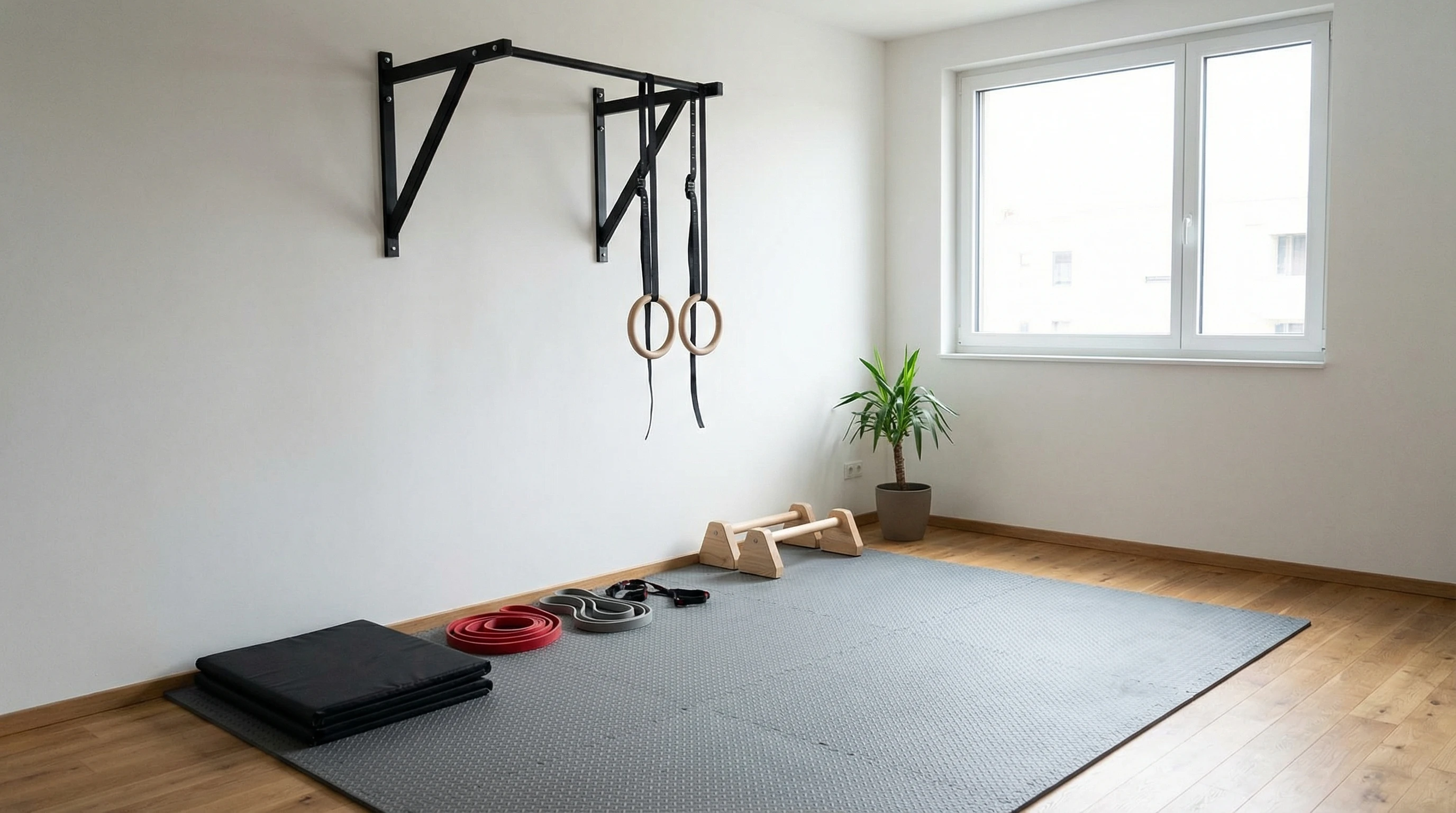
Working out at home with calisthenics is one of the easiest ways to get into fitness without buying a ton of expensive gear or chasing after gym memberships. Calisthenics focuses on using your own bodyweight for exercises like pushups, pullups, and squats. But even though you don’t need a fancy setup, a few pieces of equipment can really take your routine up a notch, help avoid injuries, and make workouts more fun. Here, I’m sharing the equipment I find super useful for a home calisthenics setup, plus tips for picking what fits your space and goals best.
Why Invest in Calisthenics Equipment for Home?
Home calisthenics keeps things simple, but adding a few basic tools can bring some real benefits. There are always bodyweight-only moves, but extra equipment brings more exercise options, especially for building strength, working on mobility, and making things challenging as you get stronger. Based on sports science studies, having just a couple of key items around can boost your training progress by making it easy to add resistance, improve stability, or target different muscles. That’s a huge help if you’re limited on space or just want to keep things super minimal.
Investing in calisthenics equipment saves you a ton of time. You can squeeze in workouts on your own schedule, and you don’t have to battle for space or wait to use popular gear. Honestly, just knowing there’s good equipment waiting at home always motivates me to stay more consistent and stick to my goals.

Core Equipment Every Home Calisthenics Setup Needs
Having the right basics in reach can completely reshape your at-home workouts. Here’s the gear I recommend the most for getting started and growing your calisthenics skills:
- Pullup Bar: The classic home calisthenics tool. Whether you get a doorway bar or one that bolts to the wall, it’s the main way to master exercises like pullups, chinups, and hanging leg raises. Choose a bar that fits securely and has enough space for your preferred grip width.
- Resistance Bands: These are incredibly handy for making moves easier (like assisted pullups) or tougher (add resistance to pushups or squats). They’re also useful for warmups, stretching, or even mobility work. I always suggest bands of different tension levels so you can mix things up and get a full-body workout regardless of your strength level.
- Parallettes: Great for making pushups deeper, practicing Lsits, planches, and even dips in some cases. Parallettes are essentially sturdy, low bars—a step up from just sticking with standard floor work. Go for well-built, nonslip ones for safety and to prevent unwanted movement during tough drills.
- Dip Bars or a Dip Station: If you have enough space, dip bars let you train dips and other pushing movements that target your chest and triceps. Some dip stations are compact enough for small rooms, while others are adjustable for different exercises, letting you game plan workouts as your skills grow.
- Floor Mat: A solid, nonslip mat helps with kneeling, floor exercises, and stretching. Softer flooring is way easier on your joints, especially on hardwood or tile. I like a thicker yoga or exercise mat for this, which also makes it more comfortable for cooldowns after intense sessions.
- Gymnastic Rings: Optional, but if you want to make things more challenging, rings are a gamechanger for upper body strength and stability work. They hang from your pullup bar or another sturdy anchor and open up an entire new world of exercises, challenging muscles you might not hit otherwise.
How to Choose Calisthenics Gear For Your Home
Picking new calisthenics equipment is all about nailing down what fits your space, goals, and budget. Here are some super practical pointers that’ll help you make decisions that actually work for your setup:
- Space: Check your available space before buying. Doorway pullup bars work in almost any spot, while freestanding dip bars or power towers need more room. If you’re tight on space, resistance bands and parallettes are compact options that won’t take over your living area.
- Budget: Start small. Bands and a doorway pullup bar are affordable essentials. If you see yourself getting hooked, you might add rings or dip bars later on, but it’s not necessary to outfit your home with everything on day one.
- Goals: Decide what matters most—do you want stronger pullups, a shredded core, or do you want to work on advanced moves like handstands and planches? Start with equipment that best supports your top priorities, so your routines stay focused and rewarding.
- Durability and Safety: Go for solid construction and highquality materials. Cheap bands snap, slippery mats slide, and wobbly bars are just plain unsafe. Read reviews and check for sturdy welds or nonslip details so your investment lasts.
Quick Tips for Setting Up a Home Calisthenics Space
Getting your gear is just part of the story. Here’s how I set up my workout zone for the most efficient and comfortable experience:
- Clear a Zone: Find a dedicated patch of floor with enough room to stretch out, swing your arms, and jump. Even a compact space will work for most calisthenics moves if you keep it clutterfree and free of distractions.
- Install Secure Anchors: Whether you’re hanging a pullup bar or gymnastic rings, doublecheck the mounting. Doorway bars should be snug and not slip when tested. If you’re drilling mounts into a wall or ceiling for rings, find the studs and use the right hardware to prevent accidents.
- Safe Flooring: Lay down your mat or buy an extralarge foam mat if you’ve got hard floors. This is important for joint safety and makes core, yoga, and cooldown work much more pleasant.
- Lighting and Airflow: It’s way nicer to work out when you can see well and the room isn’t stuffy. I like a fan and a window if possible—it just feels better and keeps you refreshed.
- Keep Things Tidy: Store bands and small gear in a basket or bin. Hanging things up or stacking them neatly means you won’t trip during workouts, helping you stay organized and focused.
Things to Think About Before Buying More Equipment
It’s easy to go overboard and end up with more stuff than you really use. A few points I keep in mind before making a new gear purchase:
- Versatility: Look for tools that have multiple uses. For example, resistance bands are good for both pullup assistance and leg work. Parallettes can be used for pushups, dips, and core moves—making the most of your space and money.
- Storage: Will your new gear fit under the bed, in a closet, or on a hook when not in use? Big clunky benches or machines can quickly outgrow a small home gym, so prioritize items that stow away easily.
- Noise: Weighted vests, heavy dip stations, or even some mats can make a lot of noise. If you share walls or floors, quieter options are better for everyone, especially during early morning or late night sessions.
- Future Progress: Some equipment, like rings or a weighted vest, is better for advanced training. It makes sense to buy those only when you’re ready for harder exercises, instead of having them collect dust.
What If You’re on a Super Tight Budget?
No need to stress. So many calisthenics moves are bodyweight-focused. If you pick up a solid resistance band and a used pullup bar, you’re already set for loads of strength work. DIY options like parallel bars made from PVC pipe or repurposing sturdy furniture for dips can work in a pinch too, letting you get creative without spending much at all. You can also use folded towels for additional padding or yoga mats as makeshift exercise zones to stay comfortable during movements that require floor contact.
Favorite Everyday Calisthenics Tools: Real-Life Use Cases
I’ve tested all kinds of home fitness gear, but I keep coming back to a few reliable pieces. Here’s how they play out in the real world:
- Pullup Bar for Home Strength Gains: If upper body strength is the goal, you won’t get bored with just a pullup bar. It’s not just for pullups and chinups; add in leg raises, knee tucks, and muscle up progressions for full upper body development right at home.
- Resistance Bands for Progressions: Whether you’re building up to your first solid pushup or working on pistol squats, bands are incredibly handy for assistance or increasing resistance as you get stronger. They’re perfect for anyone—from total beginners to those looking to bring their workouts up to the next stage.
- Parallettes for Wrist Health: Find that pushups on the floor hurt your wrists? Parallettes keep wrists neutral, so you can do more reps and advanced exercises without soreness, making your sessions longer and more comfortable.
- Mat for Comfort and Safety: Seriously, a good mat is a gamechanger when stretching or doing long planks or ab work. It’s also easy to clean and stores flat or rolled up fast, giving you one less thing to think about during your sessions.
Frequently Asked Questions About Home Calisthenics Equipment
Some of the most common questions I get about outfitting a home calisthenics space:
Q: Can I get strong with just calisthenics and no equipment?
A: Absolutely. Even basic bodyweight exercises get results, especially for beginners. Equipment just adds variety and helps scale exercises as you build strength and look for new challenges.
Q: What’s the best first item to buy?
A: I usually recommend a pullup bar or resistance bands. They unlock the biggest number of exercises right away and help with progressions for both strength and mobility.
Q: How do I know if a product is safe or sturdy?
A: Read user reviews, check for maximum weight limits, and look for solid material construction. When in doubt, try it out gently before making it part of your intense workout.
Q: Is it worth getting gymnastic rings for beginners?
A: Rings can be a bit tricky at first, but they’re a fantastic investment. They help work stabilizing muscles and keep workouts interesting as your skill level grows, so don’t be afraid to give them a shot when you’re ready.
Final Thoughts: Building a Home Calisthenics Setup That Works
The best calisthenics equipment is the stuff you’ll use consistently. Keep it simple at first, pick a few sturdy pieces, make your space comfortable, and focus on sticking with your routine. As you improve, you might want to add more specialized gear, but you’ll never outgrow the basics like a pullup bar, resistance bands, parallettes, and a reliable mat. With just a small investment, home calisthenics can help you build serious strength, save money, and make working out way less of a chore. Give it a try and watch your progress take off right in your own living room.