Getting teens started with calisthenics can be a pretty rewarding move. Not only does this approach to fitness use minimal gear, but it builds solid strength, real-world functional movement, and confidence. This is perfect for young people looking to get active without the pressure of fancy equipment or gym memberships. I put this super detailed guide together to show you exactly how to make calisthenics accessible and fun for teens, while keeping things safe and motivating.
Why Calisthenics is a Great Choice for Teens
Calisthenics uses your own bodyweight for resistance, so exercises like pushups, pullups, squats, and lunges can be done just about anywhere: parks, backyards, or even indoors if there’s space. For teens, this style of training is especially helpful because it doesn’t make heavy lifting a requirement. Movements are natural, and the risk for serious injury is pretty low when compared to free weights or big gym equipment.
On top of that, calisthenics has a cool social side. Think about all those group workouts you see in outdoor parks or viral challenges online. They’re super accessible and build community. Most teens already love being part of a group or sharing their progress on social media, and calisthenics taps into that in a positive way.

First Steps: Making Calisthenics Appealing
To really help a teen get started with calisthenics, keeping things fun and relatable goes a long way. Here are some moves that work well:
- Start with the Basics: Don’t overload them with advanced moves or strict routines on day one. I’d suggest pushups (even knee pushups), bodyweight squats, planks, and glute bridges.
- Set Realistic Goals: Help them aim for progress, like hitting an extra rep each week or holding a plank for five seconds longer. Avoid anything that creates unnecessary pressure.
- Gamify Workouts: Teens love games and challenges. Try circuit style workouts with timers, or encourage little friendly competitions with siblings or friends.
Additionally, talk to the teen about the kind of activities they actually enjoy. Do they like team sports, dancing, or competing? These preferences can easily shape which calisthenics exercises will be the most interesting and fun to practice. When exercise doesn’t feel like a boring chore, sticking with it happens naturally.
Key Calisthenics Exercises for Teens
Calisthenics covers all the big movement patterns teens need to be athletic and healthy. Here are the exercises I find most useful for teens new to bodyweight training:
- Pushups: Great for chest, shoulders, arms, and core. Start with wall or knee pushups for beginners, then work toward full pushups.
- Bodyweight Squats: Builds leg and hip strength. If balance is tricky, holding onto a chair helps.
- Planks: Strengthens the core and teaches good form. Focus on posture over duration at first.
- Glute Bridges: Works the hips and lower back, which are often weak in growing teens.
- Pullups/Assisted Pullups: Even if a teen can’t do a full pullup yet, resistance bands or low bars make it possible to practice the movement.
- Lunges: Build balance, leg strength, and coordination. Bodyweight only is fine at first.
Over time, teens can add movements like jumping jacks, mountain climbers, or burpees to ramp up the cardio and burn off extra energy. Mixing in a few easy yoga stretches for flexibility also helps round out a solid routine.
Helping Teens Build a Calisthenics Routine
I always recommend keeping things simple at first. For teens just starting out, 3 sessions per week is plenty. Here’s a sample bodyweight workout schedule:
- Warmup: 5 minutes of light cardio (jogging in place, jumping jacks) and mobility (arm circles, hip rotations).
- Main Circuit:
- 10-12 pushups
- 15-20 bodyweight squats
- 30-second plank
- 12 glute bridges
- 10 lunges (each leg)
Repeat the whole circuit 2-3 times, resting for 1-2 minutes between rounds.
- Cool Down: 5-10 minutes of stretching, focusing on legs, back, and shoulders.
Staying consistent with this structure also makes it easy for teens to see their own progress. They can keep a simple notebook or use an app to log each workout and track gains over several weeks.
What Teens Should Know Before Getting Started
Like any fitness adventure, there are some things worth keeping in mind before teens jump into regular calisthenics:
- Soreness is Normal: New movements will make muscles a bit sore, especially in the first week or two. Encourage lots of rest, sleep, and hydration.
- Form Matters: It’s super important to learn good form right away. Watching videos or asking for feedback helps. If something hurts (not just a muscle burn, but sharp pain), stop and check the movement.
- Gradual Progress: Don’t expect instant gains. Building strength is about consistency, not pushing to exhaustion every session.
- Involve Parents or Coaches: Having a supportive adult around for safety and motivation makes a big difference.
Patience is key! Most teens will want to see results right away, but remind them that real, lasting gains come little by little. That approach helps prevent frustration and burnout.
Common Challenges and How to Beat Them
Everyone hits a few bumps in the road. Here are some common issues teens might face, and what they can do about them:
- Lack of Motivation: Set up workout buddies or join a community, either in person (like a park group) or online for inspiration.
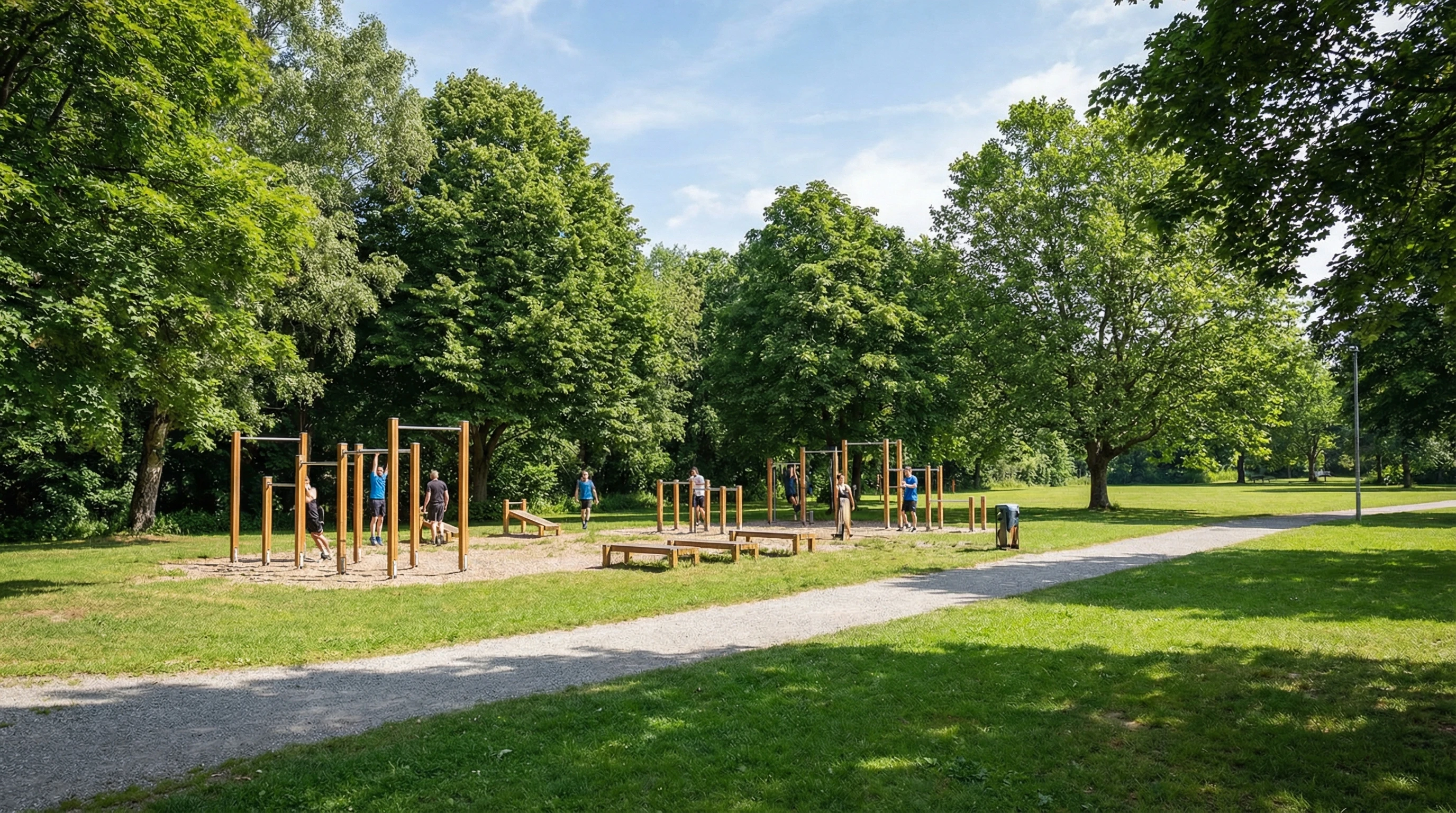
- No Equipment: Most exercises require only a floor and maybe a sturdy chair or bar. Many parks now have basic exercise setups teens can use for free.
- Feeling Stuck: Try adding new moves or changing the workout order. Watching new calisthenics videos or setting fresh goals keeps things interesting.
It’s important to let teens know that hitting plateaus is totally normal. A little break or even switching up the music playlist can also keep things feeling fresh.
Tweaking the Routine for Progress
Once they have the basics dialed in, teens can make things a bit tougher:
- Add More Rounds: Increase the number of circuits per workout from 2 up to 4 as fitness improves.
- Switch Up the Exercises: Try incline pushups, jump squats, side planks, or mountain climbers for more challenge.
- Tempo Work: Slow down movements to make them harder, for example, take three seconds lowering into a pushup.
Another easy way to add variety is to mix up exercise order or try combining moves (like adding a squat at the top of each lunge). This keeps things fresh and challenges the body in new ways.
The Benefits Teens Get from Calisthenics
Sticking with a bodyweight routine pays off in several ways:
- Builds Strength the Right Way: Functional, natural movements help teens develop muscle and coordination safely.
- Better Confidence: Seeing real progress feels great and motivates positive choices everywhere in life.
- Low-Cost Fitness: No gym contract, no expensive gear; just a willingness to move.
- Easy to Stay Consistent: Workouts can be done anywhere, so travel or school breaks don’t disrupt healthy habits.
For extra science backing, calisthenics helps improve mood too, not just muscles. A study published in Frontiers in Psychology in 2019 found that regular bodyweight exercise had a positive effect on well-being in young people. Plus, teens who train calisthenics often sleep better and gain more independence in their fitness habits. Over time, success with simple moves like pushups can inspire even more interest in health and sports.
Frequently Asked Questions
Here are a few questions I get most often about teens and calisthenics:
Question: Can teens do calisthenics safely?
Answer: Yes! As long as they start with basic moves and focus on good technique, the risk of injury is low. Supervision is always a good idea, especially for younger or less experienced teens.
Question: What if my teen can’t do a pushup or pullup yet?
Answer: That’s totally normal. Knee pushups, wall pushups, and using resistance bands or chairs for pullups are great ways to build up to the full movement.
Question: How long does it take to see progress with calisthenics?
Answer: Everyone is different, but most teens notice improvements in strength and confidence within 3-4 weeks if they stick to their routine.
Extra Tips for Parents and Coaches
Getting involved in a teen’s fitness routine doesn’t mean micromanaging. I find these tips help:
- Encourage, Don’t Demand: Celebrate little improvements and keep things positive.
- Model Healthy Habits: Even adults joining in a few pushups makes calisthenics more appealing.
- Promote Rest and Nutrition: Teens need good sleep and regular meals to see results and recover well.
- Use Reputable Resources: YouTube has loads of beginner friendly calisthenics channels (like FitnessFAQs and THENX) that teens love to follow along with.
Calisthenics can make fitness fun, practical, affordable, and social for teens. With a little support and the right approach, any teen can start building serious strength. No gym required, just commitment and a positive outlook.