Building real strength with just your body weight is something I’ve come to appreciate, mainly because you don’t need a fancy gym or stacks of equipment to get serious results. Calisthenics isn’t just about pushups and chinups (though those are both great). There are a lot of creative exercises out there that will really put your muscles to work, no matter your skill level. Here, I’m walking through the top 10 calisthenics exercises for strength that have helped me—and plenty of others—get stronger using only body weight.
Why Train Strength With Calisthenics?
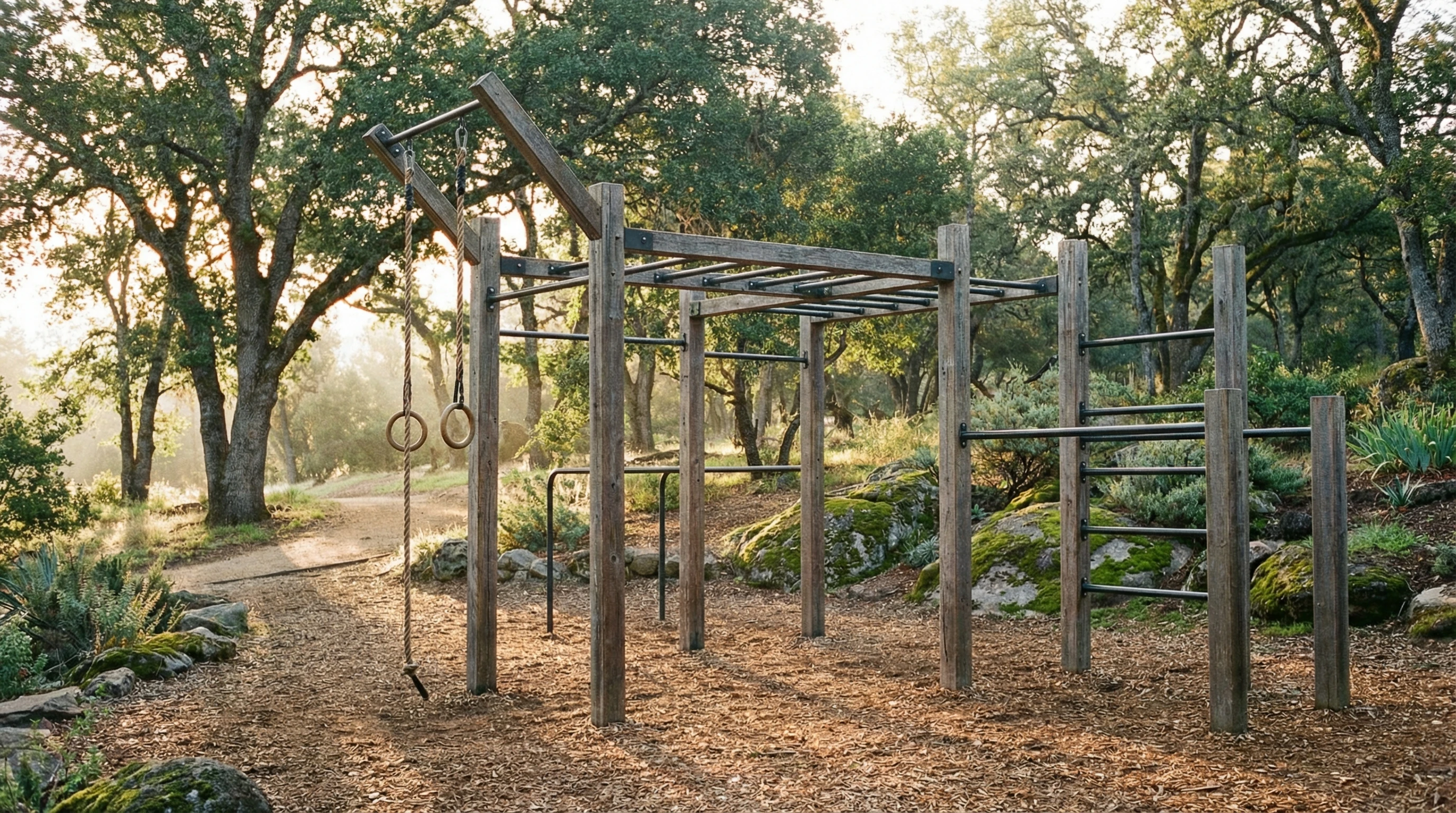
Calisthenics, or bodyweight exercises, have stayed popular because they are lowcost, super flexible, and can be scaled for all levels. Over the past five years, I’ve watched fitness parks pop up in cities everywhere, making these movements part of my outdoor routines. Training this way challenges muscles in unique ways you can’t always get from machines, especially by focusing on core stability and natural movement patterns.
Researchers have found that calisthenics can build muscle just as effectively as traditional lifting, especially for new or intermediate trainees. You’ll notice improved control, mobility, and functional power that’s useful for everything from sports to daily life.
Most people, me included, start with calisthenics because they want a way to develop strength without a gym membership. But it’s not only about convenience. Bodyweight training is really important for building body awareness and progressing at your own pace, which helps reduce injury risk along the way. Plus, calisthenics routines build a workout discipline that carries over into other parts of a healthy lifestyle.

Top 10 Calisthenics Exercises For Building Strength
I picked these 10 exercises because they hit every major muscle group and can all be made tougher as you get stronger. I always recommend mastering the basics before pushing toward advanced versions. Here’s what I think should be on everyone’s list:
- Pushups
Pushups are simple but powerful for developing chest, triceps, and core strength. There are tons of variations (incline, decline, diamond) to make them harder or easier. I’ve found that keeping elbows at about a 45degree angle helps avoid shoulder problems. - Pullups
Pullups work your back, biceps, and even your core when controlled. If you’re not ready for a strict pullup yet, bandassisted or negative pullups are a great starting point. Wide grip, chinup, and commando styles mix up where you feel the most burn. - Dips
Dips target triceps, shoulders, and chest. Parallel bars or even sturdy surfaces like park benches can work in a pinch. For beginners, bending your knees and keeping your feet on the ground can help with balance and control. - Squats
Bodyweight squats hit glutes, thighs, and core. I focus on fullrange squats, dropping hips below parallel for best results. Once these get easy, trying pistol squats (oneleg) brings a whole new challenge. - Lunges
Lunges challenge legs and glutes, while improving balance. I like alternating lunges forward, backward, and to the side to work different stabilizer muscles. - Plank
Planks are definitely more than a core exercise; they build endurance in shoulders, glutes, and even your legs. I like to add side planks and plank reaches as I get stronger for more variety and stability gains. - Leg Raises
Hanging or lying leg raises are killer for working lower abs and hip flexors. You’ll notice improvements in core strength and control, helping out with all sorts of advanced moves like toestobar. - Australian Rows (Inverted Rows)
These rows are great for building back and arm strength, especially if pullups feel too tough. Using a low bar, pull your chest up while keeping your body straight, and you can raise your feet for extra difficulty. - Handstand (Wall Supported or Freestanding)
Handstands are amazing for developing shoulder, triceps, and core stability. Against a wall is my preferred starting point; eventually, moving to freestanding versions adds increased challenge and balance. Handstand progressions have helped me build confidence for ring and bar movements, too. - Burpees
Burpees aren’t just for conditioning; they bring strength benefits because you’re combining squats, pushups, and jumps all in one. I try adding in a strict pushup and the highest jump I can for maximum challenge.
If you’re looking for extra ways to make these moves harder, consider using slower tempos, pausing at the bottom, or wearing a backpack for added resistance. Training with intention is the key to results in calisthenics.
How To Structure Your Calisthenics Routine For Strength
Mixing these moves into a routine depends on whether you’re a beginner or have some experience. I always recommend focusing first on perfecting technique; form helps you see progress faster and stay safe. Here’s a simple structure that’s worked really well for me and people I’ve coached:
- Fullbody Split: Do 3 or 4 of these exercises, 3 times a week, allowing a day to recover in between sessions.
- Set and Reps: Stick to 3 to 5 sets of 5 to 10 reps if you want pure strength. Rest for around 90 to 120 seconds between sets.
- Progression: Once a move feels easy for the target reps, mix in harder variations or slow down the tempo for more time under tension.
Don’t forget to include proper warmups like arm circles, gentle stretching, and hip openers, which can save you a lot of trouble in the long run. Making time for cooldown stretches will help with recovery and flexibility, too. If soreness lingers, decrease reps or take an extra rest day so you can come back stronger.
Common Challenges And Practical Tips For Success
Calisthenics looks straightforward, but everyone runs into some roadblocks. I’ve definitely experienced sticking points, especially when first learning pullups and dips. Here are some things that have helped me and others push past plateaus:
- Grip Strength: Adding dead hangs and towel holds to my warmups helped my pullups big time.
- Shoulder Mobility: Moves like shoulder passthroughs and band pullaparts keep joints healthy and extend range of motion for things like dips and pushups.
- Plateau Busting: Switch up rest times, try eccentric (slowlowering) work, or use resistance bands for assistance or extra difficulty.
- Recovery: Stretch, foam roll, and don’t neglect sleep. These are all super important for longterm progress.
Getting Past The Pullup Barrier
Pullups get most people stuck. I started out barely able to hang from the bar. Using band assistance, eccentric lowers, and focusing on scapular control made all the difference. I’d set minigoals for just one more rep each week until things got easier. Be patient and consistent—progress might be slow at first, but it picks up with practice.
Form Over Ego
There’s always going to be someone doing more reps or flashier skills at the park or gym. Sticking to strict, clean reps matters so much more than chasing big numbers with sloppy form. I’ve found better results and fewer tweaks staying true to good movement patterns. Remind yourself that quality is better than quantity for longterm success in bodyweight training.
Examples Of Calisthenics Progression
One of the best things about calisthenics is the endless ways to make moves harder, so there’s always a new challenge waiting. Here are a few ways I like to progress:
- Pushups: Standard → Decline → Archer → Onearm pushup
- Pullups: Assisted (band or jumping) → Strict → Added holds at the top → Weighted vest
- Squats: Bodyweight → Bulgarian splitsquat → Pistolsquat
- Dips: Bench dips → Parallel bar dips → Ring dips
For each exercise, small weekly increases—like slower tempo, extra reps, or less assistance—add up fast. Tracking sets and reps in a notebook or app helps keep me honest and motivated. Watching your progress written out is often more encouraging than just going by feel or guessing how you’re doing.
Practical Uses And Everyday Benefits
I started calisthenics mainly to get fit, but the carryover to real life surprised me. Here are some areas where these exercises come in handy:
- Daily Tasks: Lifting groceries or moving furniture is easier with stronger legs and core.
- Sports: Running, cycling, climbing, and team sports all benefit from added control, stability, and explosive power.
- Posture and Pain Relief: Consistent planking and rows have helped fix my achy back after sitting all day at work.
- Adaptability: Vacations, travel, or rainy days aren’t an excuse; calisthenics workouts need no special tools or gym access.
- Mental Benefits: Regular bodyweight training builds discipline and boosts mood. Achieving progressions acts as motivation not just for your workouts, but for other goals, too.
Frequently Asked Questions
Here are a few questions I get asked a lot about calisthenics training for strength:
Question: Can you build serious muscle with calisthenics alone?
Answer: You can. As long as you’re challenging your muscles with harder progressions and eating enough, you’ll see gains. I’ve personally added muscle and strength without traditional weights. Some advanced practitioners switch in weighted vests or rings for a new test, but you don’t need to start there.
Question: What’s a good alternative if I can’t do a pullup yet?
Answer: Start with Australian rows, bandassisted pullups, and lots of grip training. These will build the pulling muscles needed for your first unassisted pullup. Focus on negative repetitions (lowering slowly from the bar) and consistent practice.
Question: How often should I train calisthenics for strength?
Answer: Three days a week is a realistic starting point for most people. That gives enough recovery to keep progressing without getting too sore or overworked. Listen to your body, and as you advance, some might go up to four days a week, but recovery remains key to consistent progress.
Final Thoughts
Focusing on calisthenics has changed my approach to strength training. These bodyweight moves are practical, effective, and pretty fun once you get started. If you master the basics, keep progressing, and stay patient, you’ll find yourself getting stronger, more mobile, and more confident in all kinds of daily activities. Plus, building these skills can fuel your motivation for tackling other challenges in life.
It’s easy to get into a routine; no special equipment needed, just a bit of motivation and maybe a sturdy bar or surface. I’ve found calisthenics super rewarding and recommend it to anyone looking to boost strength, wherever they are on their fitness adventure. Stick with it, stay curious, and celebrate little wins along the way—for me, that’s the real power behind bodyweight training.