Getting into home calisthenics is a great way to build strength and flexibility without spending hours in the gym or investing in fancy equipment. But if you want to get real results, the way you eat plays a huge role in your progress. Making a few smart changes to your nutrition can really help boost your workouts and recovery. I’m sharing the action-ready nutrition tips I wish I knew when I first started doing calisthenics at home.
Why Nutrition Matters for Home Calisthenics Training
Nutrition and training go hand in hand, especially with bodyweight workouts like calisthenics. When you’re working out at home, your plan might focus on pushups, pullups, squats, planks, and some creative moves you pick up online. All these exercises require energy, muscle repair, and steady progress, which is where smart nutrition comes in.
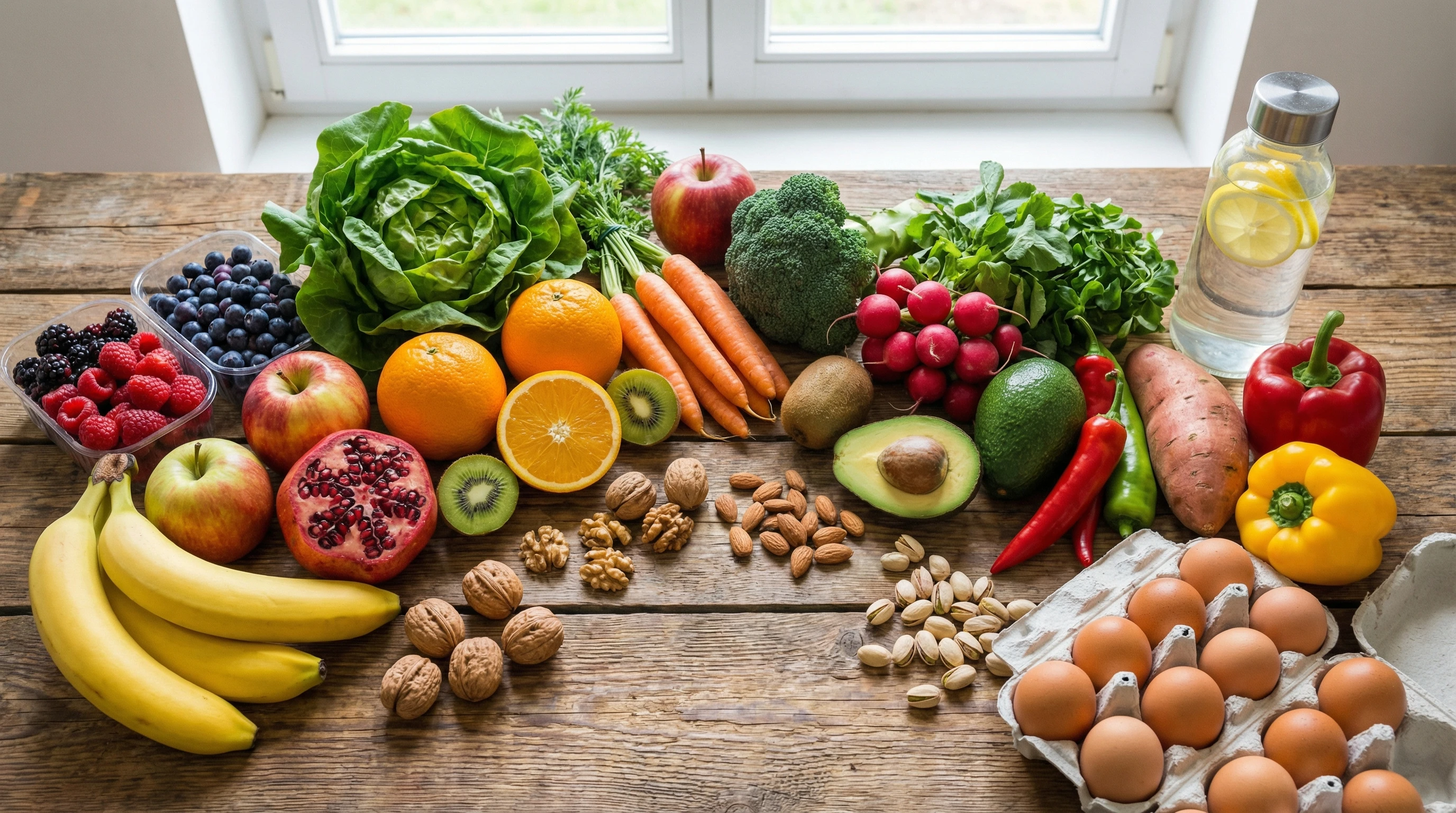
The right food can help you power through tough workouts, recover faster, and even learn new skills (like nailing that first pullup or holding a solid handstand). You don’t need anything extreme, just a good mix of protein, carbs, healthy fats, and plenty of the basics: water, fruits, and veggies.

Setting a Solid Nutrition Foundation
Keeping things simple goes a long way. Here are some foundations that support most people training with calisthenics at home:
- Eat enough protein: Your body needs protein to maintain, repair, and build muscle. Aim for a protein source at each main meal—think eggs, chicken, Greek yogurt, tofu, beans, or fish.
- Balance your carbs: Carbs give you the fuel to train with energy. Whole grains, oats, potatoes, rice, fruits, and veggies are solid choices.
- Prioritize healthy fats: Nuts, seeds, avocados, olive oil, and fatty fish help with inflammation and keep your joints healthy.
- Hydrate like you mean it: Water is super important for muscle function, recovery, and avoiding cramps during a tough circuit. Keep a big water bottle nearby and sip before, during, and after your session.
Many people see better results by simply dialing in these basics before worrying about supplements or fancy shakes. Remember that a balanced approach will serve you well in the long run and makes sticking with your new routines feel a lot more natural.
What to Eat Before and After Calisthenics Sessions
Even with home workouts, timing your nutrition can help you feel stronger during each set and bounce back quicker after training. Here are some ideas for what to eat:
Preworkout Nutrition
You’ll want something that gives energy, doesn’t sit heavy, and won’t lead to a sugar crash mid-pushup.
- Small meal or snack: 1-2 hours before training, go for a combo of carbs and protein. Good options: a banana with peanut butter, Greek yogurt with berries, or a turkey sandwich on whole wheat bread.
- Go light if needed: If you train early or don’t love eating beforehand, a piece of fruit or a small handful of nuts is usually enough. Listen to your body and avoid heavy, greasy foods right before working out.
Postworkout Nutrition
Refueling after a session is key for muscle recovery and growth. Giving your muscles the nutrients they need right after working out helps you see quicker gains over time.
- Mix protein and carbs: This could mean chicken with rice, a smoothie with milk and berries, or a veggie omelet with whole wheat toast. You don’t need to grab a protein shake unless you like them or struggle to eat after training.
- Rehydrate: If you’ve been sweating a bunch, drink water and maybe add a pinch of sea salt, especially after longer or more intense sessions.
Common Nutrition Challenges, and How to Solve Them
Training at home brings some unique food-related struggles. Here’s how I stay on track even when motivation dips:
- Easy access to snacks: It’s tempting to reach for chips or cookies after a workout. Keeping your kitchen stocked with healthy grabandgo snacks like fruit, nuts, plain popcorn, and yogurt makes it easier to make decent choices.
- Skimping on meals: Home workouts can sometimes mean you skip meals or don’t refuel properly. Setting a specific meal rhythm (like eating breakfast within an hour of waking, having lunch soon after training, and eating dinner at the same time every night) keeps your energy up and recovery on track.
- Lack of motivation to eat healthy: Prep ingredients ahead of time (chopped veggies, cooked grains, grilled chicken) so you can throw together a simple, healthy meal whenever you get hungry.
- Not enough water: It’s easy to forget to drink water if you’re not sweating buckets in the gym. I like to fill a big water bottle every morning and make sure I’ve finished it by day’s end.
Another issue can be getting bored with meals or routines. It helps to mix in some variety, like trying a new veggie, swapping your protein source now and then, or experimenting with different seasonings and cooking techniques. This not only keeps food interesting but can also help you get a broader range of nutrients.
Macros, Micronutrients, and Meal Examples for Calisthenics
If you want to get a little more technical, focusing on your macronutrients (proteins, carbs, and fats) and micronutrients (vitamins and minerals) can give you a performance edge.
- Protein goal: Somewhere in the range of 0.7 to 1 gram per pound of body weight suits most folks who train a few times a week. If you’re doing super high volume or advanced calisthenics, you might need more to support muscle repair.
- Carbs for fuel: If you’re trying to progress quickly or practice skills often, include carbs at most meals. Lowcarb diets can make calisthenics feel grindy and limit your training volume.
- Healthy fats: Don’t fear fats; your body needs them for hormones and joint health. Just watch portions since they add up fast.
- Micronutrients: Leafy greens, bell peppers, berries, and sweet potatoes offer vitamins, minerals, and antioxidants to keep your body in top shape.
Sample Meals
- Breakfast: Scrambled eggs with spinach and whole wheat toast, plus an orange
- Lunch: Quinoa salad with grilled chicken, cherry tomatoes, cucumbers, feta, and olive oil
- Snack: Lowfat Greek yogurt with sliced banana and a sprinkle of granola
- Dinner: Baked salmon with roasted sweet potatoes and broccoli
If you find yourself pressed for time, you can make use of batch cooking or prepping some elements in advance. For instance, hardboil eggs for the week or chop up veggies to add to salads and omelets as needed. With a few tweaks to your meal prep routine, your kitchen setup becomes a lot more userfriendly, supporting your calisthenics adventure with less fuss.
Simple Supplements, Worth It For Calisthenics?
Supplements aren’t necessary for most people, especially if you’re eating a variety of whole foods. But a few can be pretty handy in specific situations:
- Protein powder: Great if you have trouble hitting your protein goal with food alone. Whey, plantbased, or casein are all solid picks.
- Creatine monohydrate: Can help boost strength and recovery. It’s one of the most studied and budgetfriendly options out there (source).
- Multivitamin: Not needed if you’re eating plenty of fruits and veggies, but it doesn’t hurt as “nutrition insurance,” especially on busy weeks.
- Vitamin D: Worth checking your levels, especially if you train indoors year-round or don’t get much sun.
Always pick reputable brands and talk to your healthcare provider if you have specific health concerns or dietary restrictions. Supplements can help, but should never be the foundation of your nutrition strategy. Your main focus should always be on whole, minimally processed foods that you enjoy and can eat consistently.
Extra Tips for Better Results
Getting a little more organized on the nutrition front can really help with home calisthenics progress. Here are a few bonus things that work for me:
- Batch cook once a week: Spending an hour prepping some basics (roast a tray of potatoes, grill chicken, wash greens) keeps healthy meals fast and easy.
- Grabandgo snacks: Having fruit, cut veggies, nuts, or hummus on hand makes better choices a lot more likely.
- Don’t stress about cheat meals: Enjoy treats now and then without beating yourself up. Consistency is what matters most.
- Track progress: Jot down what you’re eating and how you feel during workouts. Patterns (both good and bad) pop up fast.
- Listen to your body: Some days you’ll need more food, other days less. Hunger cues usually point you in the right direction, so stay mindful and keep checking in with how you’re feeling.
A fun tip is to share your progress or meal ideas with friends or an online group. Not only can this boost accountability, but you may stumble upon new recipes or hacks to try that keep things interesting and enjoyable.
Frequently Asked Questions
I hear these questions a lot from people starting out with home calisthenics and nutrition:
How much protein do I really need?
Answer: For most adults doing regular calisthenics, 0.7 to 1 gram of protein per pound of body weight works well. You might bump it up if training hard or trying to build extra muscle.
Can I make progress on a vegetarian or vegan diet?
Answer: Absolutely! Focus on getting enough protein from beans, tofu, lentils, soy, nuts, seeds, and proteinfortified foods. Eating a wide variety helps cover all your bases. Don’t forget about vitamin B12 and iron, which can be trickier on a vegan diet—supplements for these nutrients are usually a good idea.
Is meal timing really important?
Answer: Pre and postworkout meals are helpful for energy and recovery, but don’t stress about eating at the perfect time. Hitting your daily nutrition targets is what sticks over the long haul. Focusing on your overall intake will help more than obsessing over timing.
Do I need supplements to see results?
Answer: Most people do just fine with regular foods. Protein powder or creatine can be useful, but aren’t required unless you’re struggling to meet your goals with meals alone. If you eat a balanced diet, most supplements are optional.
Smart Nutrition Habits for Lasting Progress
Dialing in your food choices doesn’t need to be complicated, even if you’re brand new to calisthenics or fitness in general. All the basics—eating enough protein, balancing carbs and fats, hydrating, and getting in enough fruits and veggies—help you build strength, stay energized, and keep motivation high, all right from your living room. Small, steady changes really do add up over time, so stick with it and your body will thank you. Consistency, variety, and listening to your body are the best tools for steady progress. If you keep checking in with your habits and celebrate small wins along the way, you’ll build a strong, resilient body capable of new feats in your home calisthenics adventure.