Sticking to a regular workout can seem more doable when you have routines you can do right at home, no fancy gym membership or expensive gear needed. Calisthenics workouts for beginners are about using your own body weight for resistance, making them perfect for getting started anywhere, even in your living room. I’ve put together this guide to break down everything you need to know to kick off your home calisthenics adventure comfortably.
Why Try Home Calisthenics as a Beginner?
Bodyweight workouts have been around forever, and there’s a good reason why they stick around: they’re practical, require zero or very little equipment, and can help you build both strength and flexibility. Calisthenics is also friendly for all ages and fitness levels, which means you don’t have to be in top shape to get started.
Sticking with calisthenics is a solid way to improve endurance, mobility, and muscle tone, especially if you’re just starting your fitness adventure. According to studies like this one from the Journal of Strength and Conditioning Research, calisthenics can increase functional movement and core stability, which really matters for everyday health.
The best part? You set the pace and pick the exercises based on what feels right. There’s no pressure to keep up, and you can build up gradually instead of pushing too hard too fast. Any level of commitment counts, so even a short home session can make a difference.

Getting Ready for Your First Home Calisthenics Workout
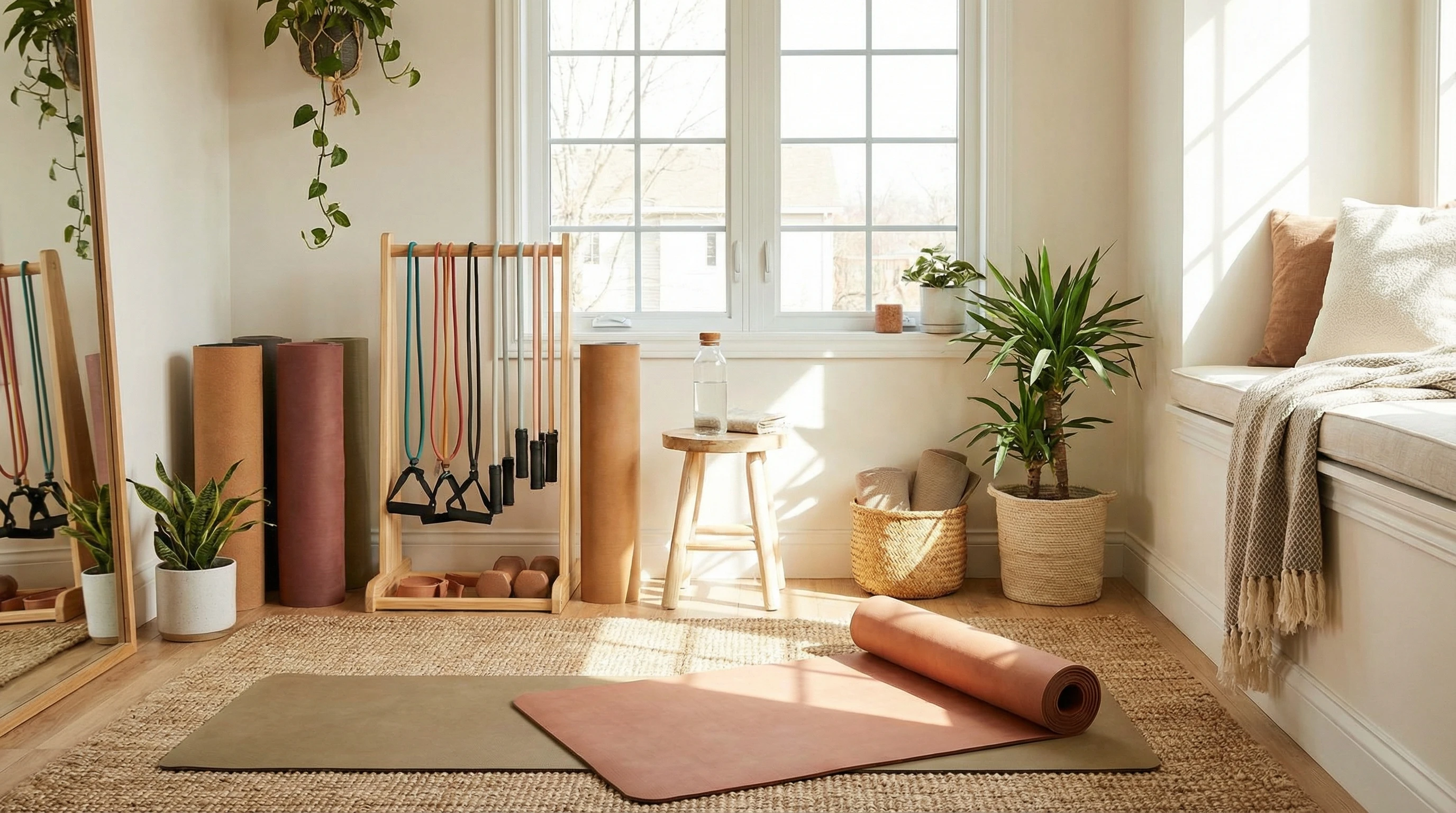
A little prep goes a long way. You won’t need much, but having a comfortable spot and a plan sets you up for a more consistent habit. Here are a few things I do before every session:
- Pick a Spot: A living room, bedroom, or outside in the yard works as long as you have enough space to move around safely.
- Wear Comfy Clothes: Athletic clothes that aren’t too loose or too tight make it easier to move through exercises.
- Keep a Water Bottle Handy: Even when working out at home, staying hydrated is really important.
- Mat or Towel: If your floor is hard, a yoga mat or even a thick towel can help protect your knees and wrists.
Laying out your exercise gear ahead of time is pretty handy, especially if you tend to put workouts off. Knowing that your mat, water, and bands (if you use them) are ready helps you get right into it. If you’re someone who likes having music on, set up your playlist ahead of time. That way, you can keep your focus on the workout and stay in the groove from start to finish.
Top Calisthenics Exercises for Beginners
Getting into calisthenics for the first time doesn’t have to be complicated. These basic moves cover all the big muscle groups and can easily be adjusted as you get stronger. Remember, form matters more than speed at this stage. Here are some classics to include in your routine:
- Pushups: Great for chest, shoulders, and triceps. Start on your knees or with your hands elevated if needed.
- Bodyweight Squats: Works the legs and glutes. Stand with feet hip-width, lower down as if sitting back into a chair, then stand up with control.
- Plank: Strengthens the core, shoulders, and back. Aim to hold the plank on your forearms or hands for 20–30 seconds to start.
- Glute Bridges: Lie on your back, feet flat, and push your hips upward. This move wakes up the glutes and helps with lower back stability.
- Standing Rows with Bands: If you have resistance bands, they’re super useful for the back muscles. Secure the band and pull toward your body, squeezing the shoulder blades gently.
- Wall Sits: Slide down against a wall as if sitting in a chair and hold for as long as you can manage; it’s killer for thighs!
For new folks, starting with 2–3 rounds of 8–12 reps of each exercise is a great intro without feeling overwhelming. As your endurance improves, feel free to slowly add more reps or another round, always with an eye on safety and control.
Building a Beginner Friendly Home Calisthenics Routine
Consistency beats intensity at first. Here’s a simple, balanced home calisthenics routine I like to use for beginners:
- 10 Pushups (knees ok!)
- 15 Bodyweight Squats
- 20 second Plank
- 12 Glute Bridges
- 10 Standing Rows with Resistance Band
- 20 second Wall Sit
Rest 30–60 seconds between each move. Do 2 rounds if you’re starting out, and build up to 3 as you get stronger. Hitting this routine 2–3 times per week is plenty to get results as a beginner.
Don’t forget to warm up before you jump in. Simple movements like marching in place, arm circles, or gentle lunges can get your joints ready and help avoid strains. Stretch out gently at the end to help with recovery, focusing on calves, quads, arms, and your back.
Tips for Getting the Most Out of Your Workouts
- Focus on Form: Proper movement keeps you safe and helps you actually work the right muscles. Look up videos or use a mirror when in doubt.
- Start Slow: There’s no rush. If you can’t do many reps at first, that’s normal. Focus on steady improvement.
- Track Your Progress: Jot down your reps each workout; seeing yourself get stronger is super motivating.
- Mix It Up: As moves get easier, try variations (like incline pushups, split squats, or leg raises) to challenge your body in new ways.
- Listen to Your Body: Soreness is fine, but sharp or sudden pain isn’t. Skip anything that doesn’t feel right, and give yourself time to recover if needed.
- Set Realistic Goals: Having small, clear goals like “add 2 pushups by next week” or “stick with workouts for a full month” can help you stay on track.
Challenges Beginners Might Bump Into
Sticking with calisthenics can be a little tricky when just getting rolling. Here are a few hurdles I’ve noticed, plus how to deal with them:
- Motivation Slumps: It’s easy to skip a workout when no one’s watching. Setting reminders, finding a workout buddy, or mixing up your routine can all help.
- Plateaus: If you’re not seeing progress, try adjusting reps, sets, or add resistance bands for more challenge.
- Wrist Discomfort: Pushups and planks can bother wrists. Try doing these moves on fists or holding dumbbells to keep wrists straight.
- Limited Space: If space is really tight, focus on standing or lying exercises and skip jumps or moves that need a lot of room.
Most obstacles are easier to deal with if you adjust your routines or environment a bit. No need to overthink it or feel discouraged—every bit counts, and everyone faces a few bumps at the beginning.
Easy Upgrades for Your Home Calisthenics Sessions
Once you’ve stuck with the basics for a while, adding a few pieces of equipment can help take things up a notch, but none of these are required. Here are some small upgrades that make a difference:
- Resistance Bands: Lightweight and cheap, help add resistance when exercises start feeling easy.
- Pullup Bar: Doorway pullup bars are compact and great for building upper body strength.
- Yoga Mat: Offers comfort and grip during floor exercises and stretching.
- Parallettes or Pushup Handles: Briefly lift your hands for deeper pushups or dips, boosting intensity and wrist comfort.
I started with just a mat and bands, and that was more than enough for months of steady progress. As you get stronger, you may feel ready to let it rip with new challenges or sets, but patience will give you better results than rushing.
Common Questions About Beginner Calisthenics Workouts
Here are some of the things I get asked a lot about calisthenics for beginners:
Question: Can you actually build muscle with calisthenics?
Answer: Yes! Calisthenics, especially when you focus on doing exercises to fatigue and adding variations, can build real muscle. Upper and lower body moves both count, and growth happens by steadily increasing difficulty over time.
Question: What if I can’t do a pushup or squat?
Answer: No worries. For pushups, start against a wall or on your knees. For squats, try sitting down to a chair before standing up again. Adjustments are always okay and help you get stronger for full versions later on.
Question: How often should beginners do calisthenics?
Answer: 2–4 days per week is enough for most people. That gives muscles time to adapt and recover, which matters a lot for long-term gains.
Question: Do I need to diet for results?
Answer: While you don’t have to follow any strict plan, eating a balanced diet with enough protein, veggies, and whole grains helps your muscles recover and grow from workouts. Don’t forget to hydrate; water matters for every part of the routine, too.
Finishing Thoughts
Starting out with home calisthenics is a low-stress way to build real fitness, get stronger, and improve your movement without leaving the house. With easy-to-follow routines, a little bit of prep, and some patience, you’ll notice progress in strength, energy, and confidence. Make small adjustments as you go, and keep things fun by mixing up exercises every so often. Everyone moves at a different pace; listen to your body, and celebrate even the smallest wins along the way. The bottom line: keep showing up, be patient with yourself, and those results will come.