If you’re curious about getting stronger, leaner, and more athletic without a gym membership, calisthenics at home might be the perfect fit for you. Bodyweight training uses gravity, movement, and consistency to help you build muscle, improve control, and push your limits—all from your living room or backyard. I put together this practical guide to help you break plateaus, track progress, and stay motivated as you advance in calisthenics at home, with insights I’ve learned from my own experience.
Getting Started with Calisthenics at Home
Calisthenics isn’t new; athletes and fitness lovers have relied on pushups, pullups, and squats for centuries. But with today’s tech and resources, training at home is more accessible than ever. You only need a clear space, your body, and maybe a pullup bar or a sturdy structure for certain exercises. No fancy machines required.
One thing I’ve found really helpful is taking stock of your current abilities. This sets a baseline, so you know where you’re starting and what progress looks like week to week. Don’t worry if your numbers aren’t high; it’s more important to measure honestly so each improvement feels rewarding.
A lot of beginners wonder if calisthenics is “enough” to build the body they want. The answer is yes—if you’re willing to progress your workouts and stay disciplined, you’ll see real changes over time. Plus, it can be more fun, creative, and less intimidating than traditional gym routines.

Essential Equipment and Setup for Home Workouts
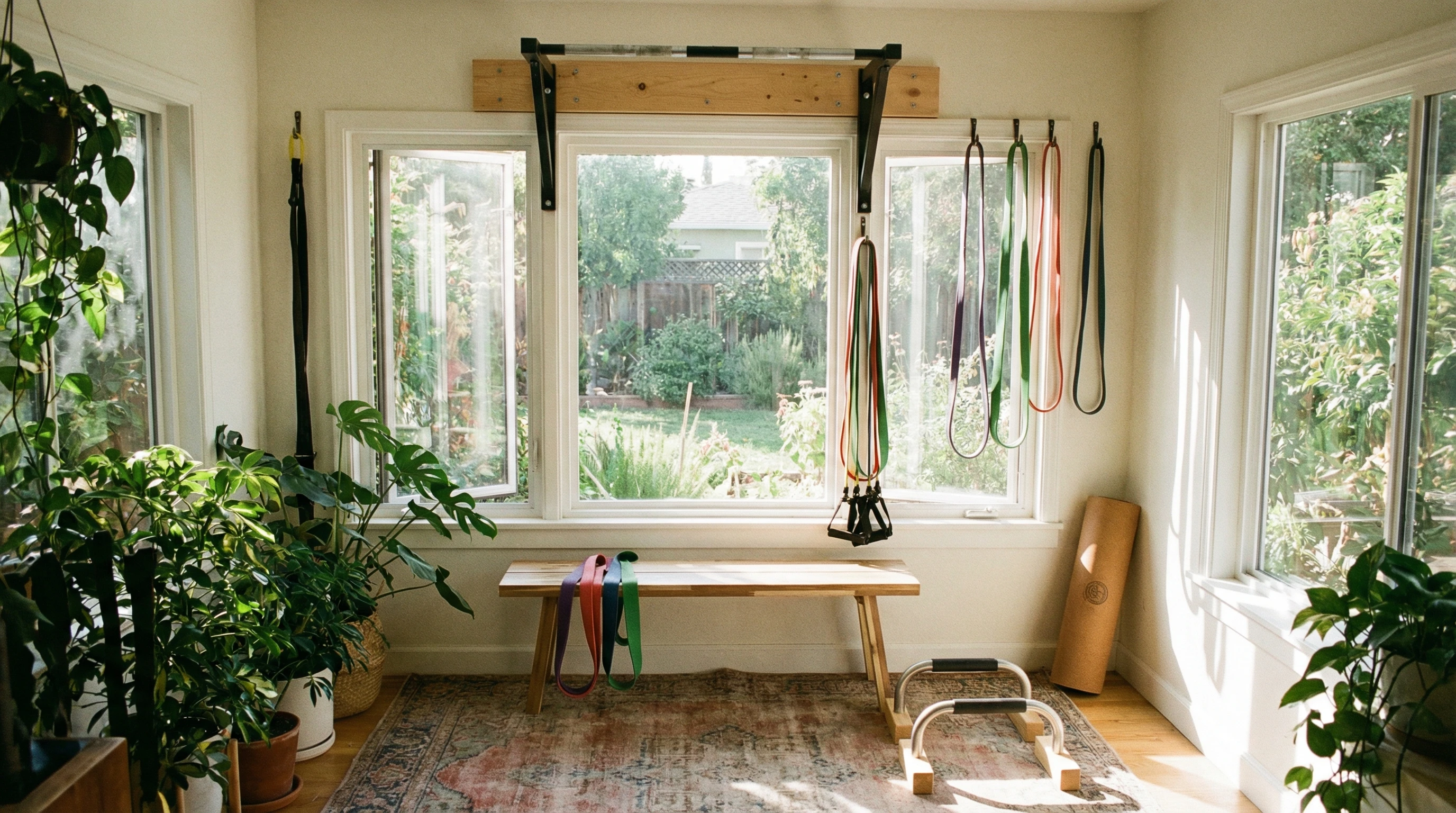
While you can get pretty far with just bodyweight alone, a few budgetfriendly tools can add a ton of variety and challenge. Here are the main pieces I use at home:
- Pullup/Chinup Bar: Doorway bars are easy to install and let you target back and arm muscles you can’t hit as well without any equipment.
- Resistance Bands: Super useful for assisted pullups, adding challenge to pushups, or stretching out tight muscles.
- Parallettes or Dip Bars: These small bars help with dips, Lsits, or advanced pushup variations without taking up much space.
- Mat or Towel: Floor exercises are a lot more comfortable on a soft surface.
Start with what you have; improvising with a sturdy table for rows or using a park bench can work just fine when getting started.
Lighting and ventilation also play a role in your comfort and consistency. Setting up near a window or outside is motivating and helps keep your workout area fresh, especially during long routines or summer months.
Building a Calisthenics Progression Plan
Progress in calisthenics comes from consistent, gradual improvement. I like to pick a handful of core movements and make them harder as I get stronger. Here’s how I organize my progression plan for each main exercise:
- Pushups: Start on your knees if needed, move to full pushups, then progress to incline, decline, diamond, and eventually explosive or onearm variations.
- Pullups: Begin with negative reps or use a resistance band for assistance. As you gain strength, try wide grip, close grip, or archer pullups to increase difficulty.
- Squats: Start with bodyweight squats, move to jump squats, then pistol squats for singleleg strength.
- Dips: Use chairs or parallel bars, progressing from bentknee to full dips, then increase reps or try ring dips.
- Core Moves: Plank is a solid starter. Over time, try side planks, leg raises, or more advanced moves like dragon flags or hanging knee raises.
Quality reps matter more than high numbers. Focusing on clean form and full range of motion will keep you safe and building muscle efficiently. Slowly add reps, increase sets, or advance to harder variations when you feel ready.
Also, vary your rest periods depending on your goals. Shorter rests can boost endurance, while longer rests help with pure strength. Regularly updating your plan keeps training fresh and prevents boredom, which is a real danger when you work out at home alone.
Smart Ways to Track Your Progress
Knowing you’re getting stronger (or finding areas that need work) can make a big difference in how motivated you feel. I track my calisthenics progress in a notebook or on my phone, jotting down:
- Number of reps and sets for each exercise
- Rest times between sets
- Any variations or changes added
- Notes about how each workout felt (energy, form, anything sore afterward)
Progress photos every few weeks can be revealing. Just seeing subtle changes in your posture, core definition, or arm size is inspiring—even more than the number on a scale.
You might also try recording short video clips to review your form or see how you’ve improved over months. Apps and online communities dedicated to calisthenics offer tracking tools and forums to share milestones and tip each other off about plateaus or recovery tricks.
Common Hurdles When Training at Home (And How to Get Past Them)
Progress isn’t always a straight line. I’ve dealt with my share of setbacks and slow weeks, but knowing what to watch for can help you stay on track:
- Plateaus: If your reps or strength stall, try new exercise variations, adjust your rep/sets, or mix up your rest times. Sometimes a short deload week (lighter training) helps your body bounce back stronger.
- Lack of Equipment: Can’t do pullups yet? Use bands, do negatives, or substitute with inverted rows under a table until you can.
- Motivation Slumps: Mix in new exercises, follow a training YouTuber or join an online community for fresh ideas and support.
- Discomfort or Pain: Make sure your form is correct and listen to your body. Soreness is normal; joint pain or sharp discomfort isn’t. Adjust your training and rest when needed.
Plateau Busters
When I hit a wall and don’t see improvements for a couple weeks, I’ll try techniques like tempo training (slowing down the lowering phase), increasing total volume, or doing highrep finishers at the end of my session. Mixing up the order of exercises can also challenge the body in new ways.
Don’t forget to revisit your nutrition and sleep when progress stalls. Lack of proper recovery or not eating enough can seriously slow you down, even if your workouts are spot on.
Solving Limited Space or Gear Issues
Space is sometimes tight, but many exercises are easy to tweak for even the smallest workout areas. Planks, squats, bridges, and pushups don’t require more than a yoga mat’s footprint. For pulling motions, try opening a door, looping a towel around the handle, and performing standing rows or isometric holds.
Advanced Calisthenics Moves to Work Toward
After mastering the basics, I like setting goals for challenging skills as a way to stay excited. Here are a few advanced moves and ways I slowly work up to them at home:
- Pistol Squats: Practice by holding onto a chair and lowering with control. Build singleleg strength before attempting freestanding reps.
- Handstand Pushups: Start with pike pushups (hips high and feet on the ground), then progress to wallassisted handstands before trying full handstand pushups.
- Front Lever or Back Lever: Use progressions like tuck holds or bandassisted versions to build the necessary core and back strength.
Keep in mind, complex skills take months (sometimes years) to achieve. Little milestones like holding a tuck front lever for longer each week are awesome signs of real progress.
It also helps to join social media groups or forums dedicated to bodyweight training, where you can ask questions, track down progressions, and cheer on others or get inspired by their successes on advanced moves.
Nutrition, Recovery, and Lifestyle Tips to Support Progress
Training is only part of the equation. Recovering well and fueling smart make your gains stick. Here are tips I swear by:
- Get enough protein, carbs, and healthy fats for muscle repair and energy
- Hydrate throughout the day, especially if you train outdoors
- Prioritize quality sleep—aim for 7 to 9 hours for recovery and energy
- Use stretching or foam rolling to keep joints and muscles happy
Balancing stress from life and training matters, too. Rest days aren’t lazy; they’re super important for progress. I usually slot in some light stretching, walking, or mobility work to stay active without overdoing it. Taking care of your mental health also helps you stick with challenging routines.
Real-World Calisthenics Progress Examples
Bodyweight progress isn’t always about dramatic changes overnight. I love following regular folks online who share honest before and afters, or stories of nailing a first pullup after months of effort. My own adventure started with just being able to handle a handful of knee pushups—now I can crank out diamond pushups and hold a plank for two minutes. Wherever you’re at, small victories add up.
- Upper Body: Progress from incline pushups to full pushups, and eventually, full dips or explosive pushups.
- Core: Trade standard crunches for hanging leg raises or Lsits with time and practice.
- Lower Body: Basic squats transition into pistols, jump squats, and singleleg exercises for real strength.
Celebrating little milestones—such as your first unassisted pullup, holding a plank for a new time record, or improving balance—makes the adventure enjoyable.
Frequently Asked Questions
These are questions I hear all the time or have wondered about myself:
How often should I train calisthenics at home?
Most people get results with three to five sessions per week, lasting 30 to 60 minutes. Rest is just as important; it lets muscles recover and grow.
Can I gain muscle and strength without a gym?
Absolutely. With consistency, smart progressions, and enough challenge, your body can get stronger and more defined using just bodyweight exercises.
Do I need supplements or a special diet?
Not really. Focus on whole foods, enough protein, and staying hydrated. Supplements can help if you’re short on nutrients, but they’re not required.
Wrapping Up
Calisthenics at home gives you freedom and flexibility, plus the satisfaction of mastering your body’s movement. By focusing on clear goals, writing down your progress, and staying patient, you’ll keep making gains long after the excitement of starting wears off. Stick with it, and you might surprise yourself—saving money, gaining confidence, and building serious strength along the way.