Getting into calisthenics at a young age opens up a world of possibilities for overall health, athleticism, and confidence. Calisthenics, which is just a fancy word for using your own body weight for exercise, think pushups, pullups, squats, and even more creative moves, comes with loads of perks, especially for kids and teens. Here, I’ll break down why starting calisthenics early is pretty handy, how to approach it safely, and what to expect as you stick with it.
Why Start Calisthenics When You’re Young?
Getting a head start with calisthenics brings a bunch of benefits, both for your body and your mind. Kids and teens are naturally active, and channeling all that energy into structured movement is a smart move. This kind of training helps set strong foundations for strength, coordination, and overall fitness that stick with you for life.
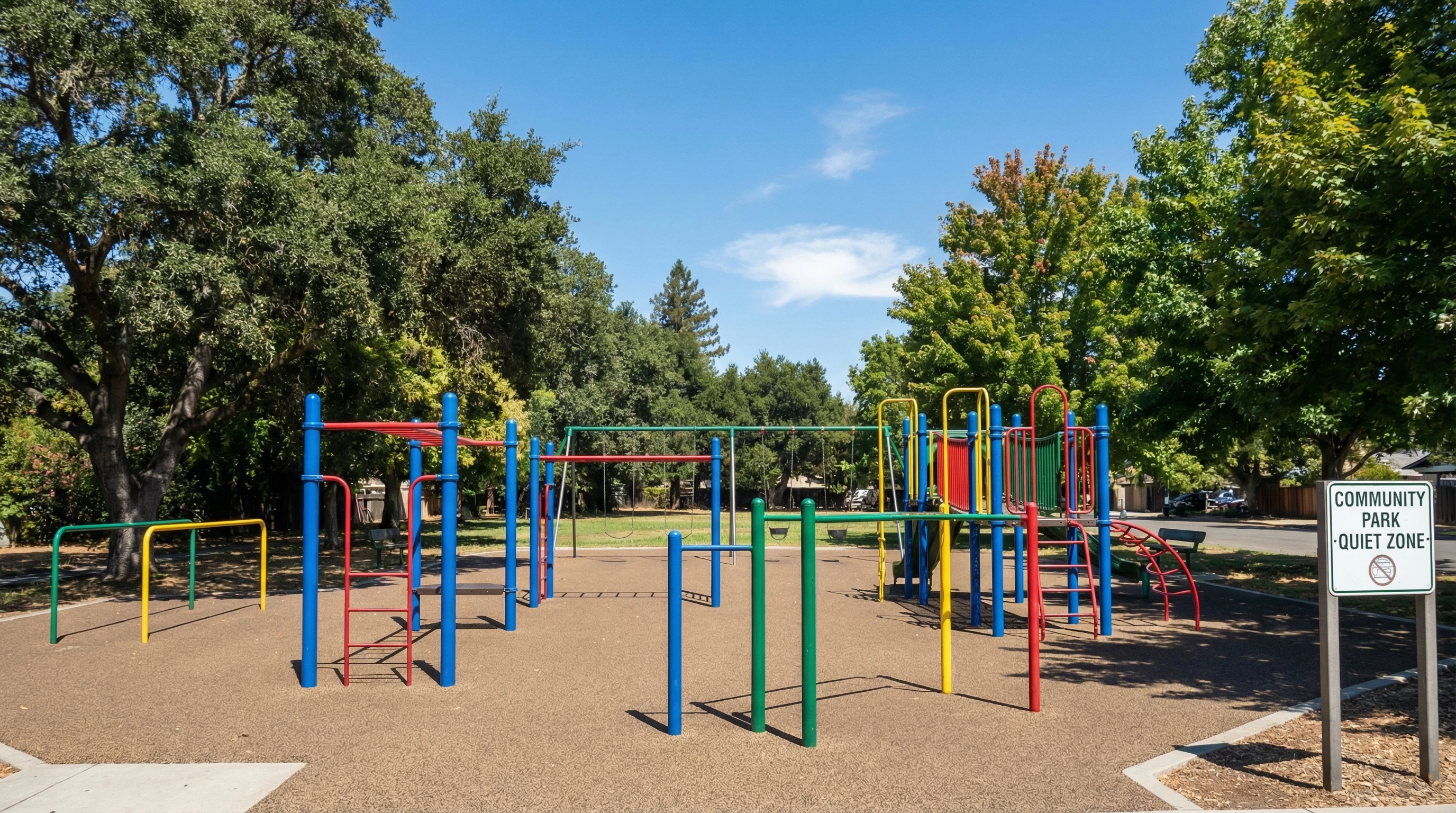
Calisthenics is scalable, so you don’t need to lift heavy weights or use fancy machines. It’s about learning to move and control your body, and that’s a skill that translates into pretty much every sport and daily activity. For younger athletes, it also means less strain on growing joints compared to lifting weights. Plus, you can practice just about anywhere, from your backyard to a public park, which means there’s always an opportunity to get active.

Physical Benefits of Early Calisthenics Training
The physical advantages show up surprisingly fast. Here’s what I’ve seen and why it pays off:
- Strength: Regular practice with bodyweight moves like squats, pushups, and planks builds muscle tone and functional strength. Even simple calisthenics routines can make a big difference for growing bodies.
- Balanced Development: Calisthenics naturally mixes movements that work multiple muscle groups. Instead of bulking up just arms or legs, you’re getting a wellrounded workout that supports strong joints and bones.
- Flexibility and Mobility: A lot of these exercises get you stretching and reaching, which keeps muscles limber and joints healthy. Stretching movements mixed in with strength training also lessen the risk of injury.
- Cardiovascular Health: Fastpaced circuits and dynamic moves help increase heart rate, so you’re getting cardio benefits right along with strength gains.
- Better Coordination: Moves that involve balance, like lunges or singleleg squats, train the nervous system and boost body awareness. This coordination helps with everything from organized sports to riding your bike or simply running around the yard.
Building these skills early can stick with you; the more you repeat healthy movements now, the easier they feel as you get older. Many adults who return to calisthenics later on often wish they had started earlier because basic movements feel more natural when learned young.
Mental and Emotional Benefits
This kind of training isn’t just good for your muscles. I’ve noticed big perks for confidence, focus, and even stress relief:
- Confidence and SelfEsteem: Hitting new milestones, like your first pullup or pushup, gives a real sense of achievement. Kids and teens who stick with calisthenics often notice better body image and selfassurance. Success in mastering movements can inspire confidence in other areas of life too.
- Discipline and Consistency: Progress takes regular effort, which helps develop discipline. That skill pays off in school, sports, and other hobbies because you learn that sticking with something brings results.
- Stress Relief: Physical activity is a solid way to release stress and improve mood, thanks to those endorphins your body releases during and after exercise. The sense of accomplishment also gives emotional satisfaction.
- Focus and Mindfulness: Whether it’s concentrating on perfecting your form or nailing a tricky move, calisthenics calls for focus. That mindful movement really helps sharpen attention spans in everyday life. Over time, being in tune with your body helps build patience and mental toughness—skills useful beyond just working out.
Getting Started: Tips for Young Beginners
Kicking things off is pretty simple, but there are a few things I recommend to make sure it’s fun, safe, and sustainable:
- Start Simple: Don’t worry about Instagramlevel skills. The basics—pushups, squats, lunges, planks, and hangs—are more than enough to start.
- Consistency Over Intensity: Regular practice, even for just 1020 minutes a day, adds up fast. There’s no rush to master everything on day one. Make small progress each week, and keep it enjoyable.
- Focus on Technique: Form matters more than rep count, especially for young bodies. Good technique helps you get results and prevents injuries. If in doubt, ask a knowledgeable adult or use video tutorials to learn the correct form.
- Make It Fun: Use games, challenges, or workout buddies to keep motivation high. Sometimes, mixing things up with simple equipment (like resistance bands or rings) keeps it interesting. Turn exercise into friendly competitions or challenges among friends.
- Listen to Your Body: Rest is just as important as activity, especially while growing. Don’t be afraid to take recovery days if needed, and notice any pain or discomfort.
Parents can help by making workouts a family activity or encouraging outdoor play. Positive reinforcement and celebrating small milestones can go a long way in building a healthy relationship with fitness for life.
Potential Challenges, and Smart Ways to Overcome Them
Every new habit has its hurdles. Here are a few things I’ve come across, plus some practical ways to handle them:
- Losing Interest: Keep it diverse with different exercises or set minichallenges. Celebrate progress, no matter how small; it all adds up! Changing locations and trying new bodyweight games can also reignite excitement.
- Growth Spurts and Coordination: Bodies change quickly during childhood and adolescence. It’s normal to feel a bit clumsy here and there. Patience and gradual progress can help smooth things out. Focusing on form rather than speed allows kids to adjust during rapid growth phases.
- Overtraining: More is not always better. Making time for rest days prevents soreness or burnout. Don’t ignore aches and pains; sometimes your body needs a break. Rest allows your muscles to repair and get stronger, especially important for younger athletes.
- Access to Equipment: The best part about calisthenics is that you really don’t need much. If you can find a playground or a sturdy branch for pullups, you’re good to go. Tools like resistance bands are affordable and great for progression. Even common household items can be turned into workout aids—think chairs for stepups or stairs for incline pushups.
Technique and Safety for Young Athletes
Staying injuryfree is really important. Here’s what helps:
- Start each session with a fun warmup (jumping jacks, running in place, or anything to get the blood moving).
- Finish with a few stretches to loosen up tight muscles.
- Check surface safety, soft grass or padded flooring is better than hard concrete.
- If you’re unsure about a new move, grab a coach’s or trainer’s input; even a few tips can make a difference.
Encouraging proper hydration and wearing comfortable clothes can also help kids feel confident and safe while training. Supervision from adults can help prevent injuries and correct form issues early on.
How Calisthenics Fits Into Sports and Everyday Life
The skills from learning calisthenics early translate really well into other sports and daily life. Here’s how I’ve seen it work out:
- Better Athletic Performance: Stronger core, balance, and flexibility often lead to better performance in soccer, basketball, swimming, and most other sports.
- Active Lifestyle: Building good exercise habits early means you’re more likely to stay active as a teen and adult. Habits formed early tend to stick and encourage lifelong fitness.
- Body Awareness: Understanding how your body moves means fewer injuries and smarter movement allaround. This helps during gym class, in sports teams, and with recreational play.
Plus, calisthenics skills come in handy in everyday situations, carrying groceries, climbing stairs, even just staying energetic during a busy day. For teens facing packed school and activity schedules, being fit can make daily routines less tiring and more enjoyable.
Success Stories and RealLife Inspiration
Some of the most inspiring athletes in calisthenics got an early start; think about gymnasts or parkour athletes. But even if you’re not heading for competition, I’ve seen a lot of young people build pride through progress, like finally nailing a handstand or getting their first muscleup. That sense of accomplishment is worth celebrating, and it can inspire others to get moving too.
There are numerous online communities and social media groups where young athletes share their progress and get tips from peers and coaches. These stories highlight consistent effort, fun challenges, and the excitement that comes from gradual progress. Kids who share goals with family and friends often encourage each other, setting a positive example within their own circles.
Frequently Asked Questions
Here are a few things parents and young athletes often ask me about getting started with calisthenics:
Question: Is calisthenics safe for kids and teens?
Answer: When done with proper form and ageappropriate movements, calisthenics is very safe. Supervision and listening to your body are key; no rushing for advanced moves too soon.
Question: How often should young beginners train?
Answer: Two to four days per week is a great place to start, keeping workouts short and focused. Rest is really important, especially for growing bodies. Start slow and watch for soreness, adjusting as needed.
Question: Do you need special equipment?
Answer: Not at all. A comfortable spot to move is all you really need. If you want to take it up a notch, simple equipment like a pullup bar or resistance bands is useful but not required.
Sticking With It: The LongTerm Payoff
Starting calisthenics young sets you up for a lifelong love of movement and fitness. Having those basic skills, strength, and confidence tends to make adulthood more active and healthy. It’s not about being the strongest or the fastest, it’s about enjoying what your body can do, learning your limits, and feeling good about your achievements.
If you’re a parent thinking about introducing calisthenics or a young person ready to jump in, taking it step by step is key. The building blocks you lay down now will support you for years to come. Remember, progress is a personal adventure, and every small step leads to more energy, better mood, and a more active lifestyle. There’s a whole community of supportive people out there, so don’t hesitate to join in, learn, and share your progress along the way.