Calisthenics is a pretty versatile way to build strength and improve movement. The best part is, you can adjust bodyweight exercises to fit any age or fitness level, making it a great pick for older adults who want to stay active but might not be up for heavy weights or high impact routines. Here, I’ll share my experience and practical tips on making calisthenics safe, fun, and effective if you’re in your 50s, 60s, or beyond.
Why Calisthenics is a Good Fit for Older Adults
Calisthenics, or bodyweight training, isn’t locked behind a gym membership or fancy gear. Simple moves like squats, wall pushups, and stepups can help you keep your independence, maintain balance, and improve bone health. Studies show that regular, moderate exercise helps manage chronic conditions like arthritis, osteoporosis, and even heart disease (source: CDC Physical Activity Basics for Older Adults).
It’s also an approachable way to work on mobility, flexibility, and coordination. I find that calisthenics puts less stress on your joints compared to traditional weightlifting, which makes it a solid choice for folks easing into fitness or coming back after an injury. Plus, bodyweight exercises can be done at home, outside, or almost anywhere with enough space for movement.

Getting Started with Calisthenics for Older Adults
Kicking off a new workout routine can feel intimidating, especially if you haven’t exercised in a while. I always suggest checking in with your doctor before trying anything new, especially if you have health conditions or joint issues. Once you get the green light, start with the basics and focus on how each movement feels, not just how many reps you can do.
Here are some terms and ideas that you might come across while getting into calisthenics:
- Reps: Short for repetitions, or the number of times you perform a specific movement.
- Sets: Groups of reps done together with a short break in between.
- Progression: Making exercises a bit harder as your body adapts (for example, moving from wall pushups to ones against a low bench).
- Regression: Making exercises easier by tweaking your position or reducing the difficulty.
If you ever feel unsure about a term or instruction in an exercise video, don’t hesitate to ask the instructor or do a quick search to get things cleared up. Building familiarity with these key words will help you feel more comfortable with structured fitness routines.
Step by Step: Building a Safe, Effective Calisthenics Routine
A good routine is about working the whole body, building balance, and making sure you recover well. Here’s a framework that I use when working with older adults starting calisthenics:
- Start with a Warmup: Gentle marching in place, arm circles, or ankle rolls for 5–10 minutes gets your body ready and helps avoid injury.
- Focus on Core Movements: Begin with exercises like sit to stand squats, wall pushups, and standing calf raises. These build strength in major muscle groups.
- Work on Balance: Try easy moves such as standing on one foot, tandem walking (heel to toe), or stepping sidetoside.
- Include Some Stretching: Finish with stretches targeting the legs, hips, shoulders, and back to support mobility.
- Listen to Your Body: Any pain (not just muscle fatigue) is a sign to stop or make the movement gentler.
These steps create a foundation, and you can always adjust reps, sets, or exercises to fit your energy level any day. If a move feels strange or too demanding, just tweak it until you find the right fit. Tracking progress in a journal can add an extra layer of motivation and help you look back to see how far you’ve come.
Things Worth Considering Before Starting
Any new workout routine comes with its share of questions; especially when it comes to safety or what might feel uncomfortable. Here are some things I recommend keeping in mind:
- Joint Sensitivity: Moves like deep squats or classic lunges may put a bit too much pressure on knees or hips. Adjust depth, use a sturdy chair for support, or try fewer reps for comfort.
- Balance and Stability: If standing exercises feel tricky, hold onto a counter or a chair for extra support.
- Pacing: Go slow and keep rest breaks as needed. It’s totally fine to start with just one or two sets of each move.
- Form Over Numbers: Focus on the quality of movement instead of trying to rack up lots of repetitions.
Remember that every body is a little different. What works for one person may not work for another. It’s always smart to check in with a healthcare provider if you’re unsure, and listen carefully to your own limits. Gradual progress is the key to steady gains.
Adapting Squats and Lower Body Exercises
Traditional squats can be tough on creaky knees or stiff hips. I find that sit to stand squats from a chair work really well. You just sit all the way down and stand up again, using your legs and a bit of momentum. It keeps things safe but still builds leg strength and gets your heart rate up. If that’s too tough at first, you can even add a cushion to raise the seat, which makes standing up easier.
Gentle Push and Pull Movements
Classic pushups might feel daunting, so starting with wall pushups makes it way more approachable. You can also do them with your hands on a kitchen counter or sturdy table. For pulling muscles (like your back and arms), resistance bands or even light household items come in handy. Even gently pulling a towel in a row motion can get your upper back fired up.
Staying Social and Motivated
I’ve seen firsthand how much more enjoyable a routine is with a workout buddy or a supportive class. Lots of community centers or online programs have beginner calisthenics groups for seniors or older adults. If you feel like you need a little encouragement or want to make new friends, these are worth checking out. Having someone to encourage you—and share a few laughs—can make workouts feel less like a chore and more like a highlight of your week.
Advanced Tips to Help Progress Safely
Once you feel confident with the basics, there are a few tweaks that help you keep improving while minimizing risk:
Add Tempo Changes: Try slowing down each part of a movement. For example, slowly lowering down in a squat builds muscle while reducing impact on joints. Focusing on the “down” motion can wake up new muscles and help control your movement.
Try Isometric Holds: Pausing briefly at the hardest part of a movement, like holding at the bottom of the squat, boosts strength and stability. These mini pauses challenge your muscles differently and help build stamina.
Vary Your Routines: Mix up movements, or try balance focused drills like shifting your weight from foot to foot. Keeping things interesting helps you stay motivated and challenges your coordination in helpful ways. Switching things up with small changes—like different tempos or new exercises—can spark new energy and keep plateaus at bay.
Why These are Helpful: Making small changes avoids boredom, keeps motivation high, and keeps your body adapting in a safe way. New challenges also keep your brain sharp as you learn different moves and routines.
The Basics: What Equipment Can Help?
One huge benefit of calisthenics for older adults is that you barely need any fancy equipment. However, a few basics can make workouts safer and more comfortable:
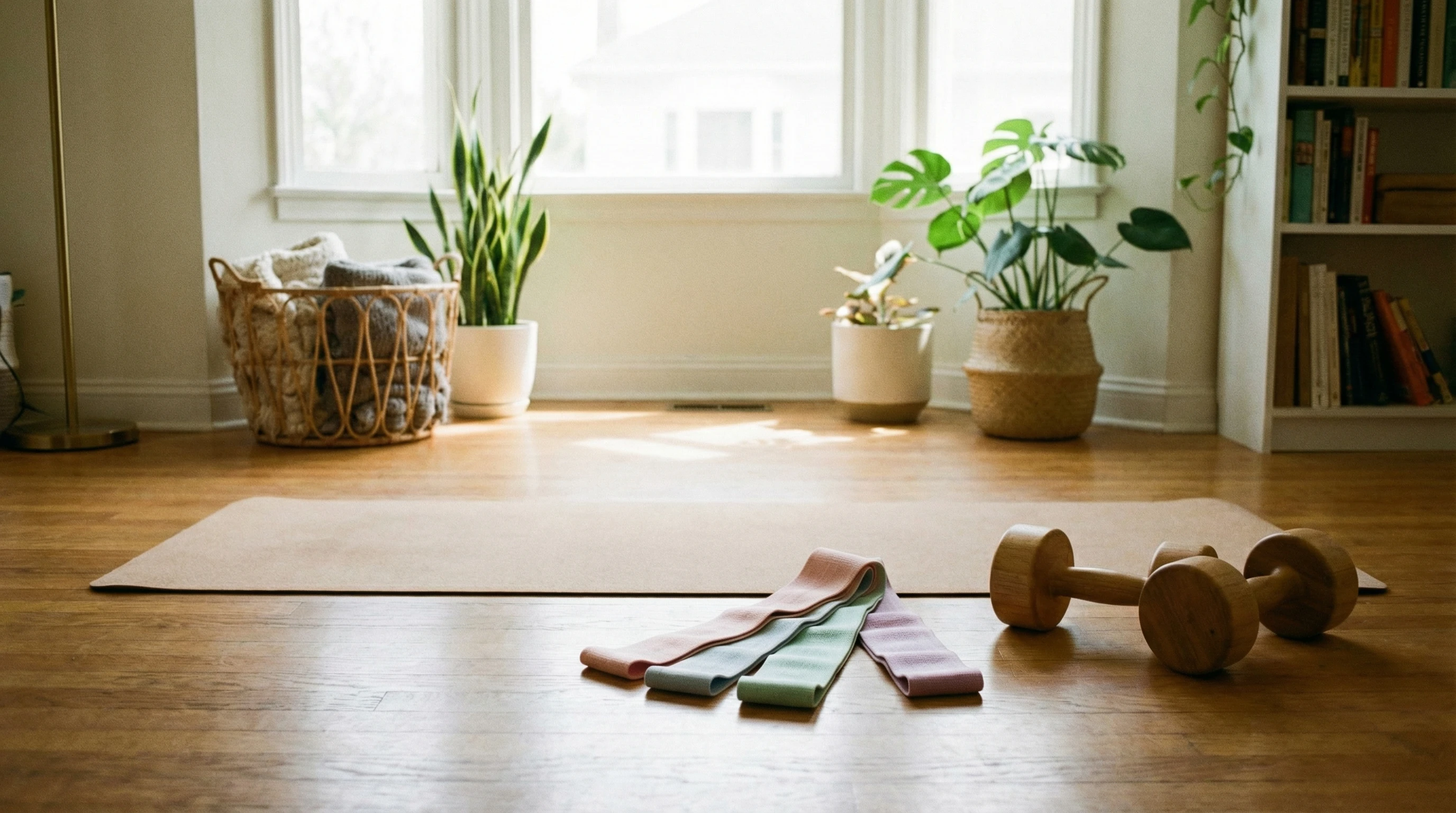
- Yoga or Exercise Mat: Adds cushioning for floor exercises and protects sensitive knees or elbows.
- Resistance Bands: Lightweight and affordable, these let you adjust pulling exercises to your strength.
- Sturdy Chair: Very handy for balance, chair squats, or seated exercises.
- Step or Low Bench: For stepups, or to make pushups easier.
A real world example: I work with a group that uses resistance bands for biceps curls, rows (anchored to a door handle), and shoulder presses. This way, everyone gets a full body routine without leaving home or risking heavy dumbbells. When the weather is nice, we sometimes take our mats and bands outside for a bit of fresh air, which makes things feel less routine and adds a dose of sunshine.
- Balance Training: Standing marches or gentle heel raises with support build foot and leg strength for better stability. With regular practice, you may notice an improvement in your ability to walk longer or climb stairs without stopping.
- Mobility Drills: Regular stretching or light dynamic moves keeps muscles limber, especially after a walk or garden session. Including mobility work helps with everyday movements and also helps prevent stiffness after activities like gardening or spending long hours sitting.
- Practical Strength: Simple moves like carrying groceries, standing from a chair, or climbing stairs are all functional “calisthenics.” Even small amounts of movement sprinkled into your day—taking the stairs, reaching for a high shelf—help keep you strong.
Frequently Asked Questions
Here are some common questions I get from older adults curious about calisthenics:
Question: Can I start calisthenics if I have arthritis?
Answer: Most people can do calisthenics, even with arthritis, by picking low impact moves and stopping if a joint hurts. Always check with your healthcare provider for modifications that fit your needs. Remember, using gentle motions and avoiding exercises that cause pain can still bring great results.
Question: How often should I do calisthenics?
Answer: Two to three times a week with rest days in between works well for most older adults. Consistency is more important than intensity. Making it a steady part of your weekly routine gives your body the best chance to benefit and recover.
Question: Is it safe to work out alone at home?
Answer: Yes, as long as you stick to movements you feel confident doing and avoid anything that throws you off balance. Keeping your phone nearby or telling a friend when you’ll exercise adds a layer of safety. If you feel unsure, start with supervised classes or follow gentle routines online for beginners.
Wrapping Up
Setting up a calisthenics routine is a practical way for older adults to get stronger, stay flexible, and move with more confidence. Focusing on gentle, joint friendly moves and using basic equipment or support helps make exercise accessible at any age. Regular practice, a bit of patience, and a willingness to adapt movements to your body keep you feeling good and moving well for years to come.
Trying out new exercises, tweaking routines for your needs, and maybe joining a group can bring fresh energy; and even a little fun, to your fitness adventure. Remember, it’s never too late to start moving and feel the benefits of staying active throughout your life.