If you’re curious about working out without beating up your joints, you’re not alone. Lowimpact antigravity calisthenics is one style of bodyweight training I’ve come to really enjoy, especially when I’m trying to sneak in movement at home. Using door frames and resistance bands, you can build functional strength, mobility, and flexibility while keeping pressure off your knees, ankles, and back. This guide will walk you through everything you need to know to get started and keep progressing. No fancy gear or crowded gym required.
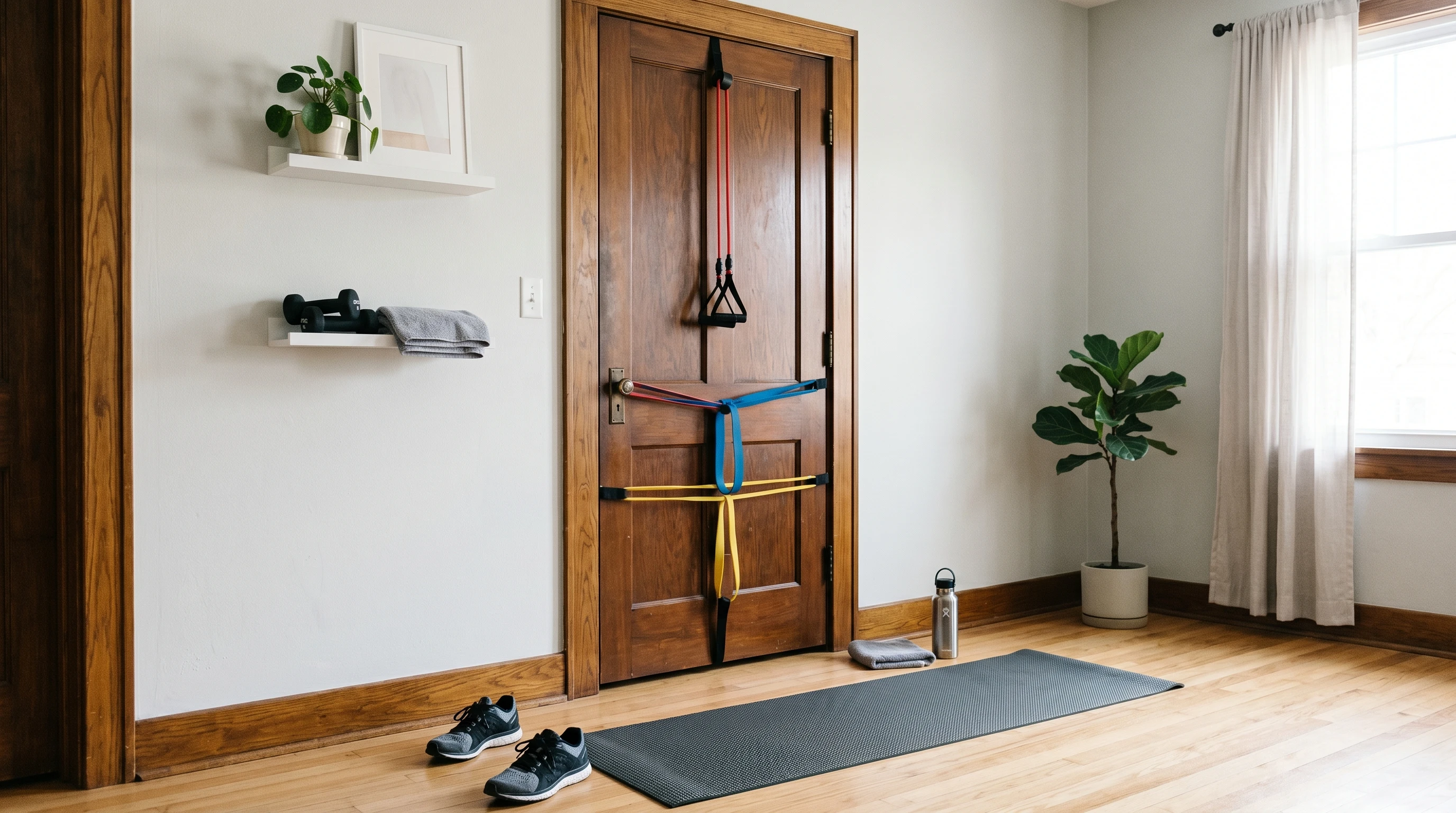
What is Lowimpact Antigravity Calisthenics?
Lowimpact antigravity calisthenics is all about using your body weight and gravity in creative ways to get a fullbody workout, but without those harsh landing forces you might see in jumping or plyometrics. By anchoring resistance bands to sturdy door frames, you get some of the benefits you’d get from gym equipment, like variable resistance and extra support, while training comfortably at home. This method lets you get strong, mobile, and balanced while being really easy on the joints.
This approach fits in really well if you’re rehabbing an injury, managing arthritis, or just looking to mix up your home exercise routine. Antigravity in this context just means taking weight off certain joints or body parts, so you’ll find movements that feel lighter and smoother but still deliver real results. Check out how it can gently challenge your body and help you stay active in a safe, enjoyable way.

Picking Your Setup: What You Need
Getting started with antigravity calisthenics doesn’t take much, but picking the right setup keeps things safe and smooth. Here’s what you’ll want to gather:
- Sturdy Door Frame: Make sure your door and frame are solid, with tight hinges and a secure latch.
- Door Anchor for Bands: Many resistance bands come with a simple door anchor, a thick woven stopper that keeps bands in place when the door is closed.
- Resistance Bands: Go for a set with different thicknesses. Bands with handles or loops are super handy, but flat bands also work really well.
- A Mat (Optional): Can make things comfier, especially for seated or floor movements.
Double-check that your bands aren’t worn out or cracked, and always close and lock your door before starting. Nothing ruins a workout faster than a flying band. For added peace of mind, consider doing a quick once-over on connections each time.
How Does Antigravity Calisthenics Help Your Body?
I’ve noticed several upsides from switching to lowimpact, antigravity moves. For starters, there’s less postworkout soreness and fewer flareups of nagging aches. Here are a few more key benefits:
- Jointfriendly: Since you’re not slamming your body into the floor or loading up heavy weights, joints get a break while muscles still work hard.
- Scalable for All Levels: Resistance bands and creative use of your own leverage make movements easier or harder. It’s easy to dial things in for exactly where you are.
- Functional Strength: These exercises mimic natural movements you use in daily life, so strength carries over outside the workout.
- Improved Balance and Mobility: You need some stability to use bands and body weight in odd angles, so your coordination and range of motion get some attention, too.
If you’re a beginner, or just uncomfortable with traditional exercises, the support from the bands also gives you a boost in confidence by reducing the risk of slipping or straining. Over time, you’ll notice your body moving more freely, with less stiffness after activity. This can be especially helpful for older adults looking to keep active, or for anyone wanting to avoid repetitive stress often found in other fitness routines.
Beginnerfriendly Movements to Try
Not every move is super advanced, and you don’t need previous experience. In my own workouts, these are the basics I keep coming back to:
- Assisted Squat: Loop a heavy resistance band through your door anchor at about head height. Hold the ends, sit back to squat. Your upper body gets some support from the band, so knees are happier.
- Band Row: With the band anchor at chest height, step back and pull both handles toward you, elbows close to your body. Great for upper back and arms, and totally jointfriendly.
- Singleleg Assisted Lunge: One foot forward, the other back, hold the band handles and drop into a lunge. The band helps you balance and stand back up gently.
- Standing Chest Press: Anchor the band behind you, face away, and press the handles forward like you’re doing a pushup standing up. That’s a chest and triceps workout minus any wrist pain from floor presses.
- Assisted Hamstring Curl: With the band around your ankle and anchored low, gently curl your foot toward your glutes. Standing or on the floor both work.
Try each exercise for 2–3 sets of 10 to 15 reps. Rest as needed, and focus on keeping movements slow and controlled so you’re working muscles, not momentum.
Building Good Technique: Tips for Safe Progress
Focusing on form is super important here. Moving slowly and mindfully means you’re much less likely to tweak something. A few things that help me stay on track:
- Set anchor points for bands at the right height for your movement, and test the tension before going allin.
- Keep a light grip, since bands shouldn’t pull you off balance or force you into weird positions.
- Start with easier band tension and gradually progress to thicker bands as strength grows.
- If something feels uncomfortable or sharp, swap it out for a different move, or loosen the band tension.
A gentle warmup, like circling your arms, marching in place, and a few band pullaparts, also helps your muscles and joints get ready to move. Staying aware of your body’s feedback reduces the risk of strain and keeps sessions enjoyable. Think of each workout as a chance to practice moving well, not just to finish the routine.
Common Problems and How to Fix Them
Every setup has quirks. Here’s what I bump into most often, plus a few ideas to avoid a frustrating workout:
- Bands Slipping Off: Make sure your anchor is wedged firmly behind the hinge side of your door and that the door locks. Avoid glass or hollowcore doors, since they’re too flimsy.
- Door Frame Damage: Use a soft towel or foam pad between the anchor and door if you’re worried about scuffs.
- Bands Snapping: Replace old bands regularly and don’t overstretch them. Stick to 2–3 times their resting length at most.
- Low Motivation: Mixing up workouts with new bands, playlists, or different routines keeps things interesting.
When something’s not working, swapping in a new movement or rep scheme usually helps. You don’t have to force a workout to look a certain way; get creative and adjust as needed. It’s normal to tweak your approach and try new setups. The great thing about bands and door frames is how flexible and forgiving this method can be.
Going Beyond the Basics: Progression Ideas
Once you’re comfortable, there are a lot of ways to keep training effective and interesting. Some things that work for me:
- Increase Band Resistance: Step up to thicker bands, or use two together for moves like squats or presses.
- Slow Down the Tempo: Try “eccentric” reps (lowering slower than you lift), which makes muscles work harder with less joint strain.
- Try Unilateral Moves: Use one arm or leg at a time to boost balance and core work, like singlearm rows or singleleg hinges with a band for feedback.
- Mix Up Grips and Angles: Changing where you grab the band or moving your feet slightly shifts which muscles are working hardest.
Writing down your favorite combos or keeping track of your progress gives you a nice sense of momentum. Even without lifting heavy iron or running sprints, you’ll notice the gains. Share new ideas with friends or family too, since training together can help keep everyone motivated and learning fresh moves. This way, you can easily set new goals and stay invested in your home fitness plan.
FAQs: Common Questions about Band & Door Frame Workouts
Question: Can anyone do lowimpact antigravity calisthenics at home?
Answer: Pretty much anyone can get started. If you’re dealing with a medical condition, checking with your doctor is a good move, but there’s no need for advanced athletic skills or a home gym setup here. Most people find this routine welcoming, and you can always start out slowly and ease in.
Question: What’s the safest way to anchor a band to a door?
Answer: Using a commercial door anchor (it looks like a fabric loop with a foam stopper) on the hinge side of a locked, sturdy door keeps things safe. Stay clear of glass, thin, or loose doors for best results.
Question: How often should I train with bands and door frames?
Answer: Two to four times a week works well for most people, especially when alternating focus between pushing, pulling, and leg movements. Consistent, shorter sessions usually beat marathon workouts here. Listen to your body, and adjust frequency as you get stronger.
Practical Ways to Use Bands and Door Frames Daily
Bands and a door frame make workouts really convenient. I’ll sneak in a quick upperbody set while waiting for the coffee to brew, or stretch out my back and hips after sitting at my desk. If you work from home or just want simple ways to stay active, these tools fit into any schedule. Over time, you’ll track down new moves and tweaks that suit your own lifestyle and goals. Try doing calf raises or shoulder stretches in small bursts throughout the day—mini sessions add up.
If you’re ready to try it out, grab a sturdy door and a set of reliable resistance bands. Start light, stay safe, and have fun figuring out what feels best for you. The combo of support and challenge these workouts offer is really hard to beat for all fitness levels. Have patience as you ramp up, and celebrate little victories along the way. Keep experimenting, and you’ll be amazed at how fun and effective this style of training can be.