Home calisthenics is a super practical way to kickstart weight loss without needing any equipment or a gym membership. If you’re new to the whole fitness scene, it’s normal to feel unsure about where to start and what moves will actually help shed pounds. I’ve found that sticking to a simple, beginnerfriendly routine can make things way less overwhelming and really effective for burning calories. Here, I’ll guide you through an all-in-one calisthenics routine you can try right in your living room, plus some tips to keep things safe and motivating as you go. No matter your starting point, you can make real progress by following these steps and sticking with the plan.
Why Calisthenics Is Worth Trying for Weight Loss
Calisthenics skips the dumbbells and flashy machines. It’s all about using your own body weight for exercise. That’s really handy if you’re short on space or don’t want to invest in gym gear. Squats, pushups, planks—each one gets multiple muscle groups going at once. This means more burned calories in less time, which is seriously helpful for anyone focusing on weight loss.
Working out at home can break down a lot of barriers. You avoid commuting, save time, and have more privacy when trying new exercises. No wonder calisthenics has grown alongside home fitness apps and YouTube workout videos. Plus, making progress with just your body weight feels pretty rewarding once those reps start feeling easier.
Research shows that bodyweight training can help boost metabolism, improve strength, and support fat loss. Since it’s generally lowimpact, it’s also friendly for complete beginners; something I really appreciate when building a workout habit that sticks.
The Basics: What You Need for Calisthenics at Home
One of the best parts about calisthenics is that you don’t need anything fancy. Still, a few little details will help you get more out of your sessions:
- Comfortable Clothing: Loose, breathable clothes make moving way easier.
- Supportive Shoes (optional): Some folks prefer going barefoot, but shoes work great if you like a little support.
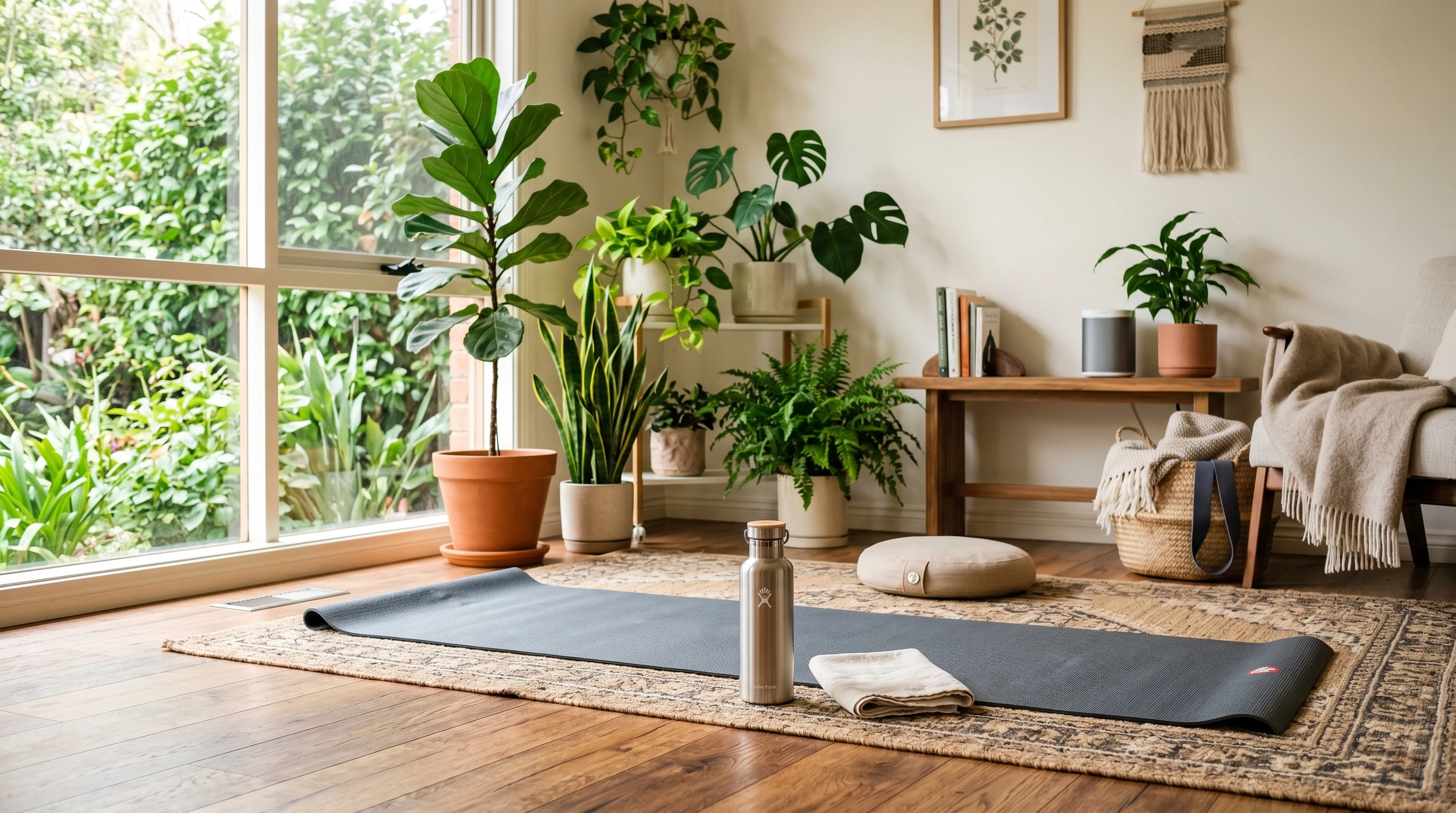
- Exercise Mat: Not essential, but a mat adds cushion for wrists, knees, and back during floor moves.
- Water Bottle: Staying hydrated keeps energy up.
That’s it. No weights, no pullup bars. The whole idea is to make starting as easy as possible; just you and a bit of space. Once you’re ready, you might decide to add in basic gear like resistance bands or a sturdy chair, but for now, your body weight is more than enough.

Beginner Home Calisthenics Routine for Weight Loss
A thoughtfully structured routine gives you direction and helps keep motivation from fading. Here’s a simple circuit I use that focuses on burning calories and building up core strength:
- Warmup: March in place for 2-3 minutes, throw in some arm circles and easy torso twists to get joints ready and the heart pumping.
- Squats (12 reps): Stand with feet shoulder width apart. Lower your hips like you’re sitting in a chair, then return to standing. Works glutes, quads, hamstrings, and core.
- PushUps (8-10 reps): Hands on the floor, body straight from head to heels. Lower yourself until elbows are bent at 90 degrees, then press back up. Knees on the floor is totally fine if you’re new!
- Standing Knee Raises (12 per leg): March and raise your knees toward your chest. Keep a brisk pace and focus on engaging your core muscles.
- Reverse Lunges (8 per leg): Step one leg back, lower your hips until both knees bend about 90 degrees, then return to standing. Great for legs and balance.
- Plank (Hold 20-30 seconds): Elbows under shoulders, body in a straight line. Squeeze your glutes and abs. Drop to your knees if you need to.
- Mountain Climbers (20 reps): In a high plank, bring one knee at a time toward your chest at a quick, steady pace. This heats up the core while also getting your heart rate up.
- Rest (60-90 seconds): Take a breather and sip water before repeating the circuit.
Try for 2-3 rounds. Progress at your own pace. If you’re feeling good, add a round or increase reps as you build strength. As you continue, you might want to lengthen the plank, move a bit faster in mountain climbers, or add new exercises for variety.
Key Moves Broken Down
Every movement in this routine supports both fat loss and building overall strength. Here’s what makes each move practical and effective for beginners:
- Squats: Strengthen most of your lower body while getting your heart rate up, which is super useful for burning fat.
- PushUps: Train arms, chest, shoulders, and core at the same time. Wall or knee pushups are fine if you’re starting out.
- Standing Knee Raises: Cardiofriendly, lowimpact, and easy on joints while working your lower abs.
- Reverse Lunges: Step up balance and coordination. Lunges also torch calories because they work so many muscles at once.
- Plank: Builds a solid core and helps improve posture for other moves.
- Mountain Climbers: Combines cardio and core work, boosting your calorie burn in just a short time.
Each movement can be adjusted to your skill level. For example, if standard squats are tough, try a halfsquat and gradually deepen it as you get stronger. For pushups, starting on your knees or with hands on a stable surface like a low table can make them more accessible. The focus is on solid technique while slowly challenging yourself more each week.
Tips for Building Consistency and Motivation
Sticking to a routine makes way more difference than chasing perfection. I’ve got a few practical strategies whenever I start a new workout habit:
- Pick a Set Time: Morning or evening; set the routine whenever you feel most energetic. Some people find it easier to get workouts done first thing in the morning, while others might prefer an evening sweat session to unwind after the day’s stress.
- Track Progress: Jot down reps and rounds in a notebook or phone app. Watching numbers climb can be really encouraging.
- Start Simple: It’s better to do the basics regularly than to get overwhelmed and skip sessions. Building the habit is far more valuable than having the “perfect” plan.
- Rest Days: Muscles actually build and recover during rest. Give yourself a day off every couple of days or as needed. Recovery is crucial for steady progress and avoiding burnout.
- Mix in New Moves: Once you’re confident, switch up moves or add variety to keep it fun and challenging. Look for new routines online or create your own by swapping out a few exercises.
Some other motivation boosters include listening to music, finding a virtual workout partner, or setting small rewards for meeting your goals.
Common Challenges and Solutions
Everyone runs into a few speed bumps trying to get fit at home. If you’re hitting a wall, a few tweaks can usually make a big difference:
- Motivation Fluctuates: Set minigoals (like two consistent weeks or a new rep count) to spark some excitement. Celebrating small victories keeps up momentum.
- Time Crunch: A short, intense 15-20 minute session is enough to see solid results over time. You don’t need marathon workouts to burn calories and build strength.
- Boredom Creeps In: Change the playlist or try doing the workout outside; new scenery can make things fresh again. You can also get into podcasts or audio books while moving to bring in something different.
Handling Discomfort
Mild muscle soreness is normal, especially at the start. Soreness that feels sharp or sticks around for days is a sign to ease up or check with a professional. Warming up and cooling down with gentle stretching really helps reduce aches, too. If you ever feel pain in your joints or sharp discomfort, stop and rest; listening to your body is a major key to safe progress.
Advanced Tips for Extra Progress
Once you’ve got the basics down, some bonus tricks can help give a boost to your results and keep things interesting:
Add Intensity Safely: Increase reps, add a fourth round, or cut your rest period when you’re ready for more challenge. If you’re feeling strong, you can even mix together bodyweight moves for short supersets, like squats right into lunges, without a break in between. You might also experiment with some jumping moves like squat jumps if your knees can handle it.
Focus on Form: Better movement always beats more reps with sloppy technique. Clean form helps prevent injury and gets you results faster. Take videos or use a mirror to check your form now and then.
Try Interval Training: Add intervals of quick, highenergy moves (like jumping jacks) between exercises to boost fat burning and keep things spicy. These mini bursts make workouts fly by and crank up your overall calorie burn.
Frequently Asked Questions
Some common beginner questions come up a lot. Here are answers that I found helpful when I started out:
How many days a week should I do this routine?
2-4 days a week is a solid start. Listen to your body and rest if you feel super tired or sore. It’s more important to be steady than to work out every single day.
Can I lose weight with just calisthenics and no equipment?
Absolutely. Combined with healthy eating, bodyweight workouts can drive real progress. The key is keeping up with the routine and pairing it with good food choices. Tracking your energy, mood, and how clothes fit can be better than obsessing over the scale.
What if I get bored or stuck?
Switch up the sequence, play with reps, or watch followalong videos. Even just changing your music can make it more enjoyable. You can stumble upon new moves online or join online groups for encouragement and ideas.
Final Thoughts: Why Consistency Is Super Important
A simple home calisthenics routine offers everything you need to start moving, lose weight, and improve your health. No extra gear or expensive plans required. Even with a busy schedule or tiny apartment, you can create real change just using your own body weight. Stick to it, track your wins, and remember: lasting weight loss comes from habits built over time, not overnight changes. Keep going, check out new moves as you grow, and make your space work for you! This style of training is flexible—you’re free to adapt it as you get stronger and your goals progress. Stay consistent, keep your routine accessible and fun, and you’ll build fitness that sticks for the long run.