Working out at home is a pretty effective way to build a stronger core and get defined abs without ever stepping foot in a gym. You don’t need fancy machines or expensive equipment to challenge your body. Calisthenics, which is all about using bodyweight exercises, are super useful for building strength, trimming fat, and improving stability right in your living room. Here, I’ve put together this beginnerfriendly guide focusing on calisthenics moves for toned abs and solid core strength, with tips and routines that actually work.
Why Core Strength Matters, More Than Just Abs
Your core includes not just the sixpack muscles everyone loves to talk about, but also deeper layers like your obliques, lower back, and even the muscles that connect your hips and spine. Strengthening your core helps you with balance, posture, and everyday movement. It’s really important for anyone looking to move with more confidence and avoid injury. Whether you’re picking up groceries or playing a pickup game of basketball, a strong core works in your favor.
Having a stable core goes a long way in supporting your back and improving your performance in all kinds of exercises, not just in ab training. Plus, stronger core muscles help you look and feel steadier in whatever activities you enjoy doing. When you train your abs with calisthenics, you set yourself up for everyday functional strength. You don’t just get visible definition but better support for your life overall.
Home Calisthenics Basics: What You’ll Need
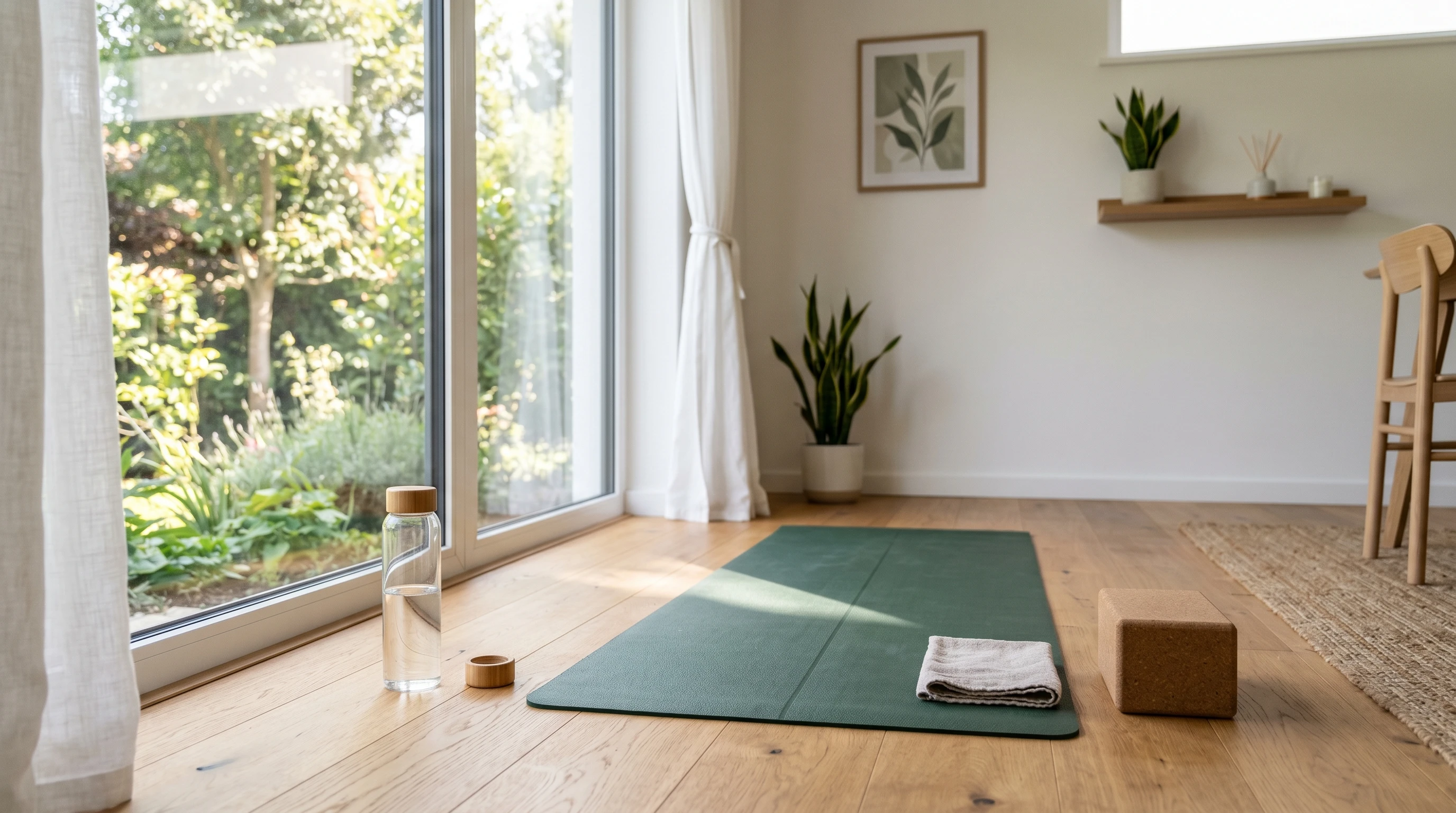
The good news is that you really don’t need much to get started. Most core exercises just use your own body weight, a mat, or even a towel, and enough floor space to stretch out. If you want to take up a notch later, you can get a pullup bar, resistance bands, or even a sturdy chair, but they’re totally optional.
- Yoga mat: Helps with comfort and grip, especially on hard or slippery floors.
- Timer or stopwatch: Pretty handy for tracking intervals or rest periods.
- Water bottle: Staying hydrated keeps you going, especially through intense circuits.
Wearing comfortable clothes and making sure your environment is free from obstacles makes it easy for you to focus on your workout instead of worrying about slipping or bumping into stuff. Also, using a mirror can help you spot your form and fix it along the way.

Beginnerfriendly Calisthenics Moves for Abs and Core
Even if you’re completely new, there’s a long list of ab and core exercises you can do without equipment. These moves target your front abs, obliques, lower back, and deeper muscle layers. Mixing up these exercises helps you hit all angles for a much stronger core.
- Plank: Rest on your forearms and toes, keeping your body in a straight line. Try not to let your hips drop. Hold for 20–40 seconds if you’re just starting out. Once you get comfortable, aim for a minute or longer.
- Dead Bug: Lie on your back, arms extended toward the ceiling, knees bent at 90 degrees. Lower opposite arm and leg (right arm/left leg), then switch. Focus on keeping your lower back pressed into the floor as you move.
- Mountain Climbers: Start in a pushup position, then quickly draw each knee toward your chest. It creates a running motion and works your core while also getting your heart rate up.
- Bicycle Crunches: Lie flat with your hands behind your head. Bring one knee up as you twist your torso, matching your elbow to the opposite knee. Alternate sides in a pedaling motion. Go slow and focus on controlled movement, not just rushing through reps.
- Russian Twists: Sit with your knees bent, lean back slightly, and rotate your torso, touching the floor beside your hip on each twist. Keep your feet elevated for an extra challenge.
As you get more familiar with these moves, you’ll start to notice which ones hit your abs the hardest. Try mixing and matching to keep your core adventure fun and dynamic!
QuickStart Home Calisthenics Routine
If you’re not sure how to bring these exercises into a full routine, I usually like to pick four or five of them, then perform each for 40 seconds followed by 20 seconds of rest. After completing the circuit, I take a full minute of rest and repeat two or three times. Here’s a sample routine to check out:
- Plank Hold – 40 seconds
- Bicycle Crunches – 40 seconds
- Dead Bug – 40 seconds
- Mountain Climbers – 40 seconds
- Russian Twists – 40 seconds
Rest for a minute between circuits. This is a simple yet effective approach that works your entire core and gets your metabolism working, too. If you want more challenge, increase the work intervals or add extras like side planks or Vups.
What to Watch For: Common Mistakes and Tips
- Arching the Lower Back: Many people sag their hips or overarch their lower back during planks or crunches. Tucking in your hips slightly helps protect your back and keeps the work on your abs.
- Holding Your Breath: Breathe steadily. Exhale as you contract your core (during the crunch phase, for example) and inhale as you relax.
- Rushing Through Reps: Moving too quickly can lead to sloppy form and reduced results. Slow, controlled movement is super important for activating your core muscles the right way.
- Not Warming Up: Even 5 minutes of light cardio and some dynamic stretches can help your muscles activate better and reduce injury risk.
Whenever I add a new exercise or bump up the intensity of a workout, I pay extra attention to my form, since good movement is way more effective than just logging more reps. If you’re unsure about your position or movement, try recording yourself and checking back to spot anything you can improve.
Progressing Your Calisthenics Core Routine
Your body adapts quickly, so changing up your routine every couple of weeks keeps things fresh and challenging. Some easy ways to progress are:
- Adding Holds: Try longer planks or include side planks for even coverage across your core.
- More Reps: Increase the number of bicycle crunches or mountain climbers you do per 40second set.
- Less Rest: Cut down your rest time between exercises for extra intensity.
- Tempo Changes: Slow down the lowering phase of each rep to keep your muscles under tension longer. You can count four seconds down and one second up, for example.
If you hit a plateau, try looking up advanced core exercises like Lsits, hanging leg raises (if you have a pullup bar), or plank variations such as Spiderman planks. These moves take things up a notch and keep your progress moving forward.
Nutrition and Core Definition
One thing a lot of people ask me is how to get visible abs. It’s actually less about doing endless crunches and more about lowering your body fat through a balanced diet. Calisthenics burns calories and builds muscle, but without eating in a way that fuels your body while keeping excess calories in check, you might not see the definition you’re aiming for. Staying on top of protein, fresh veggies, and cutting down on processed foods helps. Also, make sure you drink plenty of water and get enough sleep to let your muscles recover and keep your metabolism on point.
Extra Moves: Adding Challenge With Everyday Items
If you’re ready for a bit more, you can make your home calisthenics workout more interesting by including some household items:
- Towels for sliders: Place a towel under your feet on a smooth floor and do slider mountain climbers or plank knee tucks to push your core even harder.
- Sturdy chair for elevated planks: Put your feet or hands on the chair to change the angle of your plank, making it either easier or harder depending on your fitness level.
- Backpack for weighted crunches: Fill a backpack with books and rest it on your chest during situps or crunches for a bigger challenge.
Just make sure whatever item you use is stable and won’t cause slipping or tipping. You can always get creative and turn regular pieces of furniture into workout tools, so long as safety comes first.
Frequently Asked Questions
How often should I do ab and core calisthenics?
Core muscles respond well to consistent training, but rest days matter, too. I usually recommend training your core three or four times per week, mixed in with other workouts or on their own.
Can I get visible abs from home calisthenics alone?
Calisthenics is great for strengthening your abs, but whether you see muscle definition has a lot to do with your overall body fat percentage. Pair regular core training with a balanced diet to see results over time.
Is it okay to do core workouts every day?
Most people are fine training their core a bit every day, especially if you use different exercises and intensities. Still, muscles need time to recover, so if you’re really sore, it makes sense to rest or focus on other muscles.
Helpful Resources and Next Steps
If you’re looking for ideas to shake up your home core routine, there are plenty of apps and YouTube channels with demonstrations and followalong workouts. Some I find super useful include the “Nike Training Club” app, “MadFit” on YouTube, and guides on ACE Fitness. Checking out different routines can keep things interesting and help you learn new moves you might not have thought of.
Starting a home calisthenics routine for abs and core strength has always made my workouts much more flexible and achievable, even on the busiest days. You’ll see improvements in strength, function, and maybe even muscle definition if you stay consistent and tweak your plan as you progress. Stick with it and enjoy seeing yourself get stronger right in your own space. As you build confidence and stamina, you’ll stumble upon fresh moves and routines that keep your core training fun and challenging. Celebrate the progress you make—no matter how small—and keep going!