Building a home calisthenics routine is a handy way to get stronger, healthier, and more confident with your body—without spending a bunch on equipment or gym memberships. Whether you’re brand new to working out or looking to give bodyweight training an honest shot, you can totally set up an effective routine with what you have at home. I’m sharing my experience and practical tips so you can put together a solid calisthenics plan and actually enjoy sticking with it.
Understanding Home Calisthenics and Why It Works
Calisthenics focuses on using your own bodyweight for resistance, so you don’t need fancy gym gear. It’s one of those time-tested ways to get fit, and it’s flexible enough for all ages and skill levels. Movements like pushups, squats, lunges, pullups, and plank variations work multiple muscles at once, making training much more efficient than slogging away on a single exercise machine.
One of the biggest perks is that you can do calisthenics almost anywhere, and you’re not tied to gym schedules or memberships. Studies even show that regular bodyweight training can help with strength, mobility, heart health, and bone density (NIH). Plus, being able to move your own body well just feels super empowering and builds real-world confidence.

Choosing Your Home Workout Space
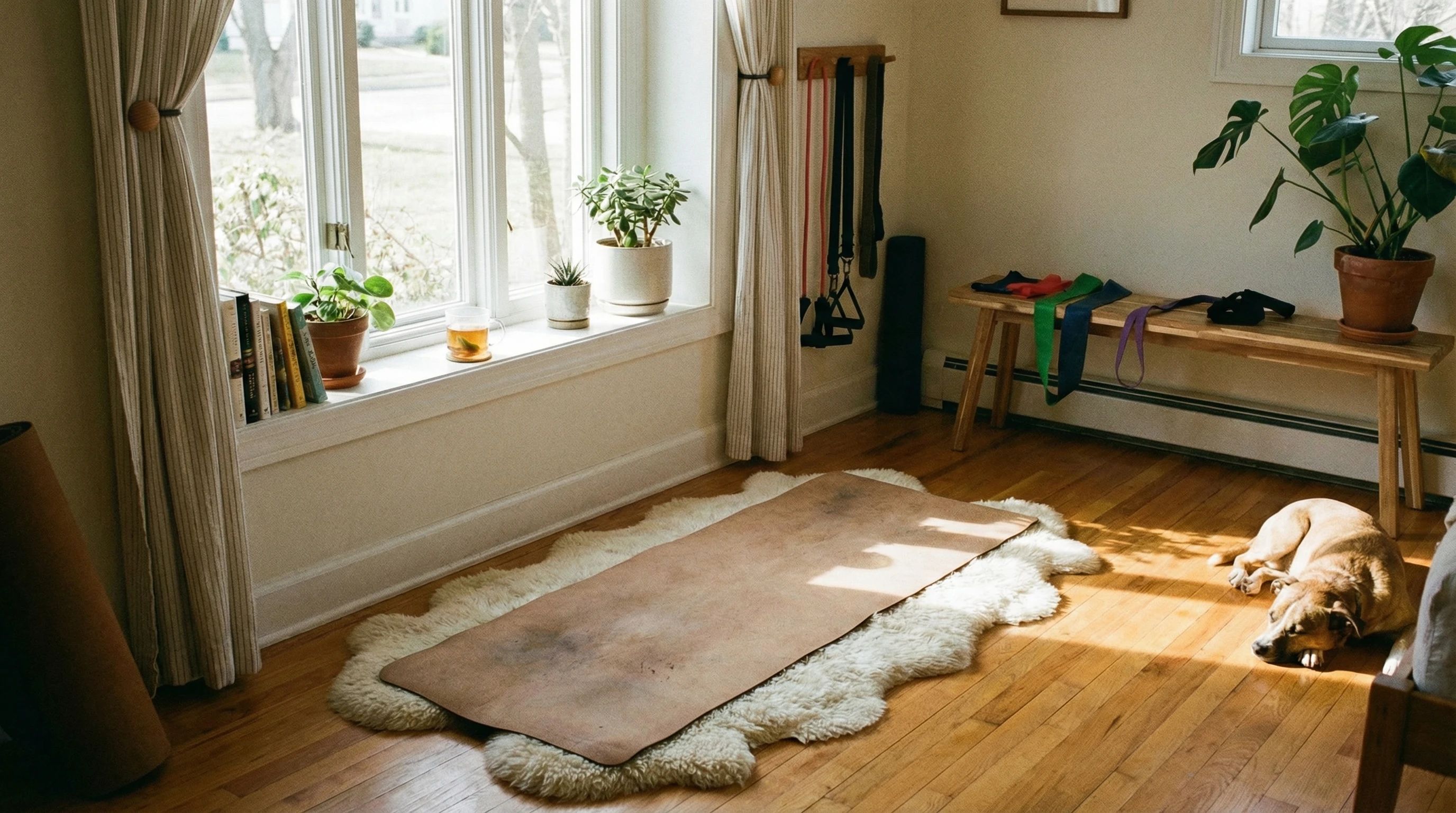
You don’t need a dedicated gym room, but picking a spot in your home that’s safe, uncluttered, and inviting makes it so much easier to build a habit. I cleared out a section of my living room, but a bedroom corner or backyard works too. Good lighting and a bit of space for a mat are helpful. Try to pick somewhere you’re unlikely to be interrupted so you can focus entirely on your workout.
If you share your space or have limited room, consider quick setups: rolling a mat out in the hallway or using a patio. The key is consistency over perfection.
Key Elements of a Home Calisthenics Routine
An all-in-one calisthenics routine hits all your major muscle groups and includes strength, mobility, and a touch of cardio. The basics look like this:
- Push Movements: Think pushups, dips, and variations like incline pushups. These target your chest, shoulders, and triceps.
- Pull Movements: Rows using a sturdy table or resistance band, or pullups if you have access to a bar. These work your back and biceps.
- Leg Exercises: Squats, lunges, glute bridges, and calf raises are all solid choices for your legs and glutes.
- Core Work: Planks, hollow holds, mountain climbers, and leg raises help stabilize your trunk.
- Mobility and Stretching: Include some dynamic stretching before your session and static stretching afterward to keep your body loose and cut down the risk of injury.
Sample Beginner Calisthenics Routine
Here’s how I’d set up a beginner’s session. This is a structure I’ve used myself and suggested to friends who are new to calisthenics. Adjust the reps, sets, and rest as needed to fit your fitness level:
- Warmup (5 minutes): Arm circles, leg swings, brisk walking or jogging in place, and a few jumping jacks to get the blood flowing.
- Pushups: 3 sets of 5–12 reps
- Bodyweight Squats: 3 sets of 10–20 reps
- Inverted Rows (under a sturdy table or band rows): 3 sets of 5–10 reps
- Glute Bridges: 3 sets of 12–15 reps
- Forearm Plank: 3 sets of 20–45 seconds
- Cooldown: Gentle stretching, especially for chest, quads, and back
This covers the main movement types and keeps things straightforward. Doing this routine two to three times a week is a smart place to start.
Progressing Your Calisthenics Routine
Progress is important for keeping your workouts challenging as you gain strength. Here are some ways I use and share with others to keep things fresh and push your limits:
- Increase reps or sets as the moves get easier
- Slow down your tempo for a bigger challenge and more burn
- Add pauses or explosive reps, such as clap pushups or jump squats, once you’re ready
- Experiment with harder movement variations—move from knee pushups to full pushups, elevate your feet, or go for singleleg options.
Tracking your workouts in a simple notebook or phone app helps spot progress week by week. Small, steady improvements stack up in a big way over time.
Handy and Affordable Calisthenics Equipment for Home
Most calisthenics doesn’t need equipment, but a few budgetfriendly extras can make workouts easier and more enjoyable:
- Exercise Mat: Cushions your hands, knees, and wrists.
- Pullup Bar: If you can set up a doorframe bar, it opens up pullups and chinups.
- Resistance Bands: Super useful for warmups, added challenge, or getting help with moves that are tough at first.
- Sturdy Chair or Box: Useful for dips, stepups, or incline/decline movements.
If buying, always check reviews and make sure anything you buy is sturdy and safe. A chair that wobbles isn’t good for training!
Setting Goals and Sticking With Your Routine
Knowing what you want out of training makes a real difference. Are you looking for more strength, a boost in energy, or just the satisfaction of a new habit? Setting realistic goals like “I will do this routine three days a week for a month” gives you something to chase and lets you see improvement. If you get bored, try swapping out old moves for similar new ones—like singleleg glute bridges instead of doubles—to keep your body guessing and your mind involved.
Tips for Motivation and Overcoming Common Obstacles
Staying motivated at home can be tough with distractions everywhere. Here’s what helps me stick with it:
- Block off time on your calendar for your workouts as you would with other important tasks
- Keep your gear—mat, bands, or shoes—in plain sight
- Check out online routines and follow along for extra support. YouTube is packed with free and paid resources
- Ask a friend or family member to check in on your progress or try virtual workouts together
If you skip a session, don’t beat yourself up; just show up next time and focus on your progress. Consistency trumps perfection any day.
Safety Tips for Home Calisthenics
Proper form is key to keeping injury at bay. If you’re not sure about a movement, check reliable video demos or ask a knowledgeable friend. Don’t force yourself through sharp or persistent pain. Rest days are as important as training days, helping your body heal and get stronger.
Make sure your workout area is clear before training, especially for moves like lunges or burpees. Good airflow, water on hand, and a quick phone check before starting complete a safe setup for home sessions.
FAQ: Home Calisthenics Routine
Here are a few frequent questions people ask when starting calisthenics at home:
What if I can’t do a pushup yet?
Start with wall or knee pushups, keeping your body straight. As you get stronger, gradually lower the incline until you’re ready for regular reps.
How often should I work out using calisthenics?
Two to four times per week is a sweet spot for most folks, taking rest days in between. Tune in to your body and dial back if you feel overly sore or tired.
Can calisthenics really build muscle?
Yes! As long as you keep pushing yourself with new reps, variations, or added resistance, you’ll see your muscle and strength go up.
What if I don’t have much time?
Try a circuit-style routine—pick four or five exercises and do them back to back with short rest. Even 15 minutes is enough to make progress and feel the burn.
Final Thoughts
Creating your calisthenics routine at home doesn’t have to be complicated. Put together a good mix of moves, adjust as you improve, and focus on showing up regularly. With a little planning and creativity, you’ll be amazed at what you can do with just your bodyweight. Keep it fun, celebrate small wins, and enjoy carving out this healthy space for yourself.