Overtraining is one of those things that sneaks up on a lot of young calisthenics enthusiasts. The excitement of learning things like pullups, planche, or human flag can sometimes lead to training sessions that are just a bit too frequent or too intense. I’ve seen plenty of eager athletes hit a wall because they don’t realize how much stress their bodies are taking on. There’s a sweet spot for progress, and this article gets into practical tips to help young calisthenics practitioners avoid overtraining and keep progress moving strong.
Understanding Overtraining in Calisthenics
Overtraining shows up when rest and recovery aren’t getting balanced with your workouts. In calisthenics, which often uses high bodyweight volume and explosive moves, the risks go up if the body isn’t given a chance to repair. Progress can stall, injuries can start popping up, and motivation might even take a dip. It’s a really important topic, especially for younger athletes whose bodies are still developing.
Typical symptoms include lingering soreness, a drop in performance, extreme fatigue, and sometimes trouble sleeping. Ignoring these signs just leads to more serious issues down the road. Think tendonitis, joint problems, or even stress fractures. Taking early steps to keep overtraining in check sets up a stronger foundation for long-term skills and goals.
Key Principles for Balancing Training and Recovery
Balancing calisthenics training with enough recovery time helps the body adapt and grow stronger while keeping injuries at bay. Here are the main things to focus on for any young practitioner:
- Rest days: Regular rest days let muscles and joints recharge.
- Sleep: Deep, consistent sleep is where most recovery happens. Aiming for at least 8–9 hours is super useful for younger athletes.
- Nutrition: Fueling up with enough calories and micronutrients supports muscle repair and growth.
- Progressive overload (not overloadoverload): Step up intensity in small, manageable jumps, and avoid making too many changes at once.
- Listening to your body: Paying attention to soreness, pain, and mental burnout is just as important as following a solid workout program.

Creating a Safe and Effective Calisthenics Routine for Youth
Building a routine with overtraining in mind is more about consistency, variety, and steady progress than maxing out every workout. Here’s how I like to break it down for young calisthenics learners:
- Keep sessions manageable: 45–60 minutes tops is plenty for most youth. If workouts are running past this, it’s usually too much.
- Fullbody training: Hitting multiple movement patterns (push, pull, core, legs) across the week cuts down on repetitive strain and gives muscle groups time to recover.
- Plan active recovery: Walking, swimming, or light stretching helps blood flow and recovery without adding stress.
- Periodize your training: Schedule lighter weeks after a few weeks of harder sessions; these are often called “deload weeks.”
- Skill work over brute volume: Focusing on technique, mobility, and graceful execution is far better for long-term gains than just repeating sets until failure.
Common Signs of Overtraining Young Calisthenics Athletes Should Watch For
Spotting early warning signs can make all the difference. I always encourage young athletes to be honest about how they’re feeling and not just “tough it out.” Here are some things to keep an eye on:
- Persistent muscle or joint pain that doesn’t clear up in a few days.
- Sudden loss of strength or inability to hit usual reps.
- Trouble sleeping, whether it’s falling asleep or restless nights.
- Lack of motivation or finding yourself dreading workouts.
- Getting sick more often or experiencing a lower immune response.
- Loss of appetite, or just feeling off mentally (irritability, anxiety).
Any one of these showing up doesn’t always mean overtraining, but ignoring more than one is definitely not a good idea. The quicker you respond, the smoother the recovery will be. If you notice a combination of these, it’s a sign to scale back and allow yourself some real rest. Sometimes, taking just a few extra rest days or reducing the intensity of your workouts can help get things back on track.
Practical Tips to Prevent Overtraining in Calisthenics
Avoiding overtraining is a lot easier— and less stressful— than dealing with an injury or major burnout. Here are some practical steps for young athletes:
- Track workouts and recovery: Keeping a simple training journal or using an app can help spot patterns, such as when sessions get intense with too little downtime. Seeing your patterns visually can also help motivate you to add recovery when needed.
- Schedule rest days: Put them into your calendar ahead of time. Making rest days part of your regular plan will help you build good habits for the future.
- Mix up movements: Rotate skills— pushups, dips, pull variations, squats— so you’re not putting the same stress on the same muscles each session.
- Eat for recovery, not just performance: Make sure to get enough carbs, protein, and healthy fats, especially after challenging sessions. Hydration and micronutrients are key, too.
- Listen to feedback from coaches or parents: Sometimes the people around you will notice if you’re acting differently or not recovering as well; don’t ignore their input.
Things to Consider Before Ramping Up Training Volume
It’s tempting to add extra sets or increase training frequency quickly once you see gains. Take it slow; increasing volume too fast is a quick way to burn out or get hurt. Here are factors to check before progressing:
- Have you mastered the basics? Good form and control should come before increasing volume or advancing to harder moves.
- Do you consistently warm up and cool down? A flexible warmup and cooldown routine preps your joints and muscles and lowers injury risk. Dynamic stretching, gentle cardio, and mobility drills can all help.
- Is your support system in place? Trusted teammates, friends, or a coach can keep you accountable and offer guidance if you’re pushing too hard.
- Are you managing other life stress? School, social activities, work, or lack of sleep all add up. Total stress, not just training, influences recovery needs.
Warmups and Mobility
Solid warmups help get your joints and muscles ready for work. Start with light aerobic activity (like jogging in place or jumping jacks), then add arm circles and gentle dynamic stretches. Finish your session with light stretching and some mobility work; this helps you recover and keeps your body primed to learn new skills.
Deload Weeks: Why They Matter
Deload weeks are basically a lighter training week every three to five weeks. They give your body time to catch up and adapt, especially after periods of hard training. Drop your volume and intensity by about 50 percent, focusing on skill, form, or easy movements. These weeks can help you stay motivated and avoid nagging aches or pains.
Handy Tools and Resources to Support Recovery
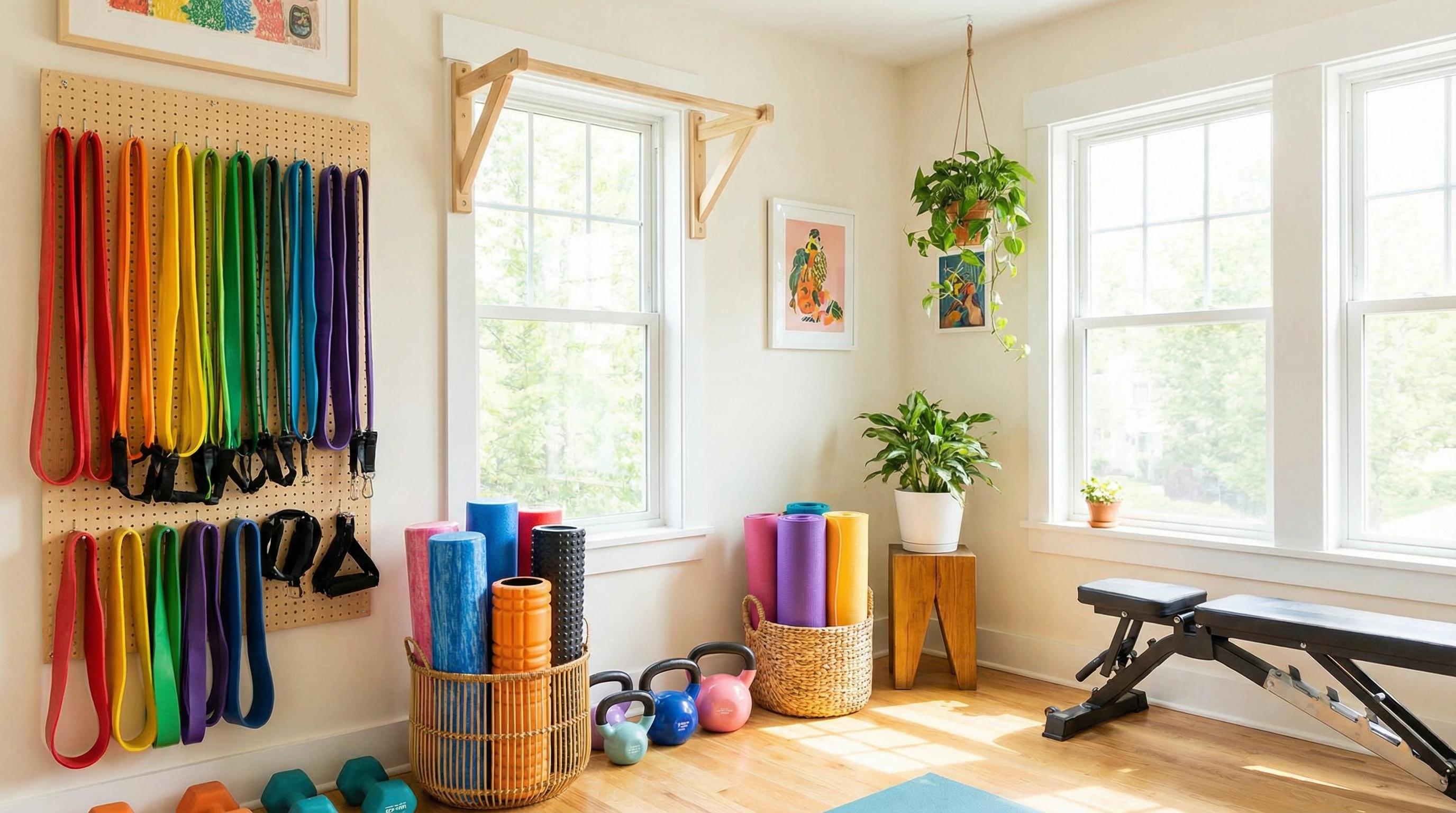
Supporting your recovery goes beyond just resting. Tools like foam rollers, massage balls, and resistance bands can help loosen tight spots and keep circulation strong. Simple fitness trackers or recovery apps let you log sleep, steps, and soreness; that data helps you spot trends and respond faster to issues.
If you want to dig into more details, resources from The National Athletic Trainers’ Association and The American College of Sports Medicine are loaded with useful advice about youth training and staying balanced.
Real-World Examples: How Other Young Athletes Manage Recovery
I’ve watched young athletes make their best gains when they put recovery at the top of their priorities. One athlete working toward a muscleup might train that skill just twice a week, aiming for precision and technique rather than just reps. On off days, they’ll focus on core or mobility, plus making sure their nutrition supports muscle repair. Another who’s getting into planche progressions uses lots of rest between sets and adds “easy days” for enjoying training without max effort. These kinds of routines keep training fun and improvement steady, while lowering the risk of overdoing it. A third example is an athlete who uses active mobility sessions on rest days, adding short stretching or foam rolling to keep their body feeling good.
- Muscleup Progressions: Training skill only twice each week and using core and flexibility work on other days.
- Planche Gains: Spacing skill days, using plenty of rest, and focusing on quality over quantity.
- Active Mobility: Adding brief stretching or movement sessions on rest days to boost recovery and mobility.
Frequently Asked Questions
Here are some common questions young calisthenics practitioners and their families ask:
Question: How many days a week should a young athlete train calisthenics?
Answer: For most, three to four days a week is plenty. This leaves room for recovery days, which are just as important for growth and avoiding overtraining.
Question: What is the best way to tell if you’re getting close to overtraining?
Answer: Look for a drop in strength, persistent soreness, and losing your desire to train. Using a journal can help you catch these early.
Question: Do stretching and mobility actually help with recovery?
Answer: Yes. Regular stretching and mobility work increase blood flow, improve movement, and reduce tightness, making recovery better overall.
Final Thoughts
Building strength and mastering new skills in calisthenics is much more effective in the long run with smart recovery and balance. Patience, consistency, and listening to both your body and coaches help turn a passion for the sport into solid, healthy progress. Enjoy the adventure, focus on quality, and your body will thank you down the road!