A home calisthenics workout works great for small spaces, especially if there isn’t much room to spread out or a gym seems out of reach. Movements using just your body weight keep things simple—no fancy equipment or crowded gyms needed. I’m walking you through my favorite ways to set up a compact routine that covers strength, flexibility, and cardio, all in just a few feet of space at home.
Why Calisthenics Is Perfect for Small Spaces
Calisthenics comes from two Greek words meaning “beauty” and “strength,” which is fitting since these exercises help you build lean muscle without machines or heavy gear. Small apartments, dorm rooms, or even that corner in your bedroom can become your home gym. The best part is you don’t need a lot of floor space to see results.
Bodyweight exercises such as squats, pushups, and planks have been used for centuries. They’re simple but incredibly effective, and perfect when there’s limited room or equipment. If you’re looking for an efficient way to boost fitness at home, calisthenics is a super practical option—the exercises are versatile, scalable, and easy to fit into a busy routine.
Dig into the stories of athletes, martial artists, and fitness enthusiasts from all over the world, and you’ll see how they make the most of calisthenics even in apartments, basements, or dorm rooms with little space. Calisthenics truly lets you train efficiently wherever you are, without fancy gear hogging up your space.

Getting Started with Home Calisthenics
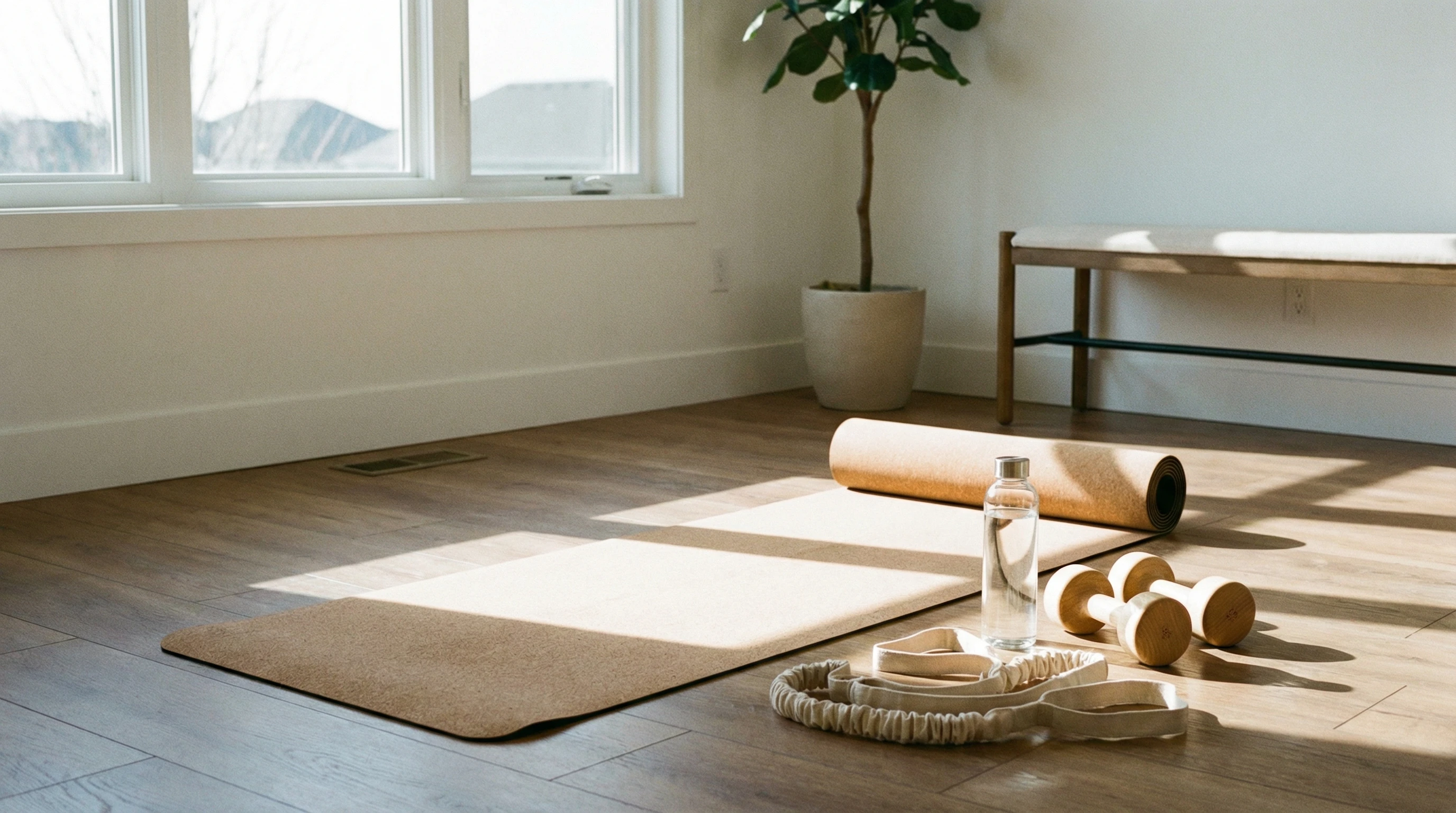
The first thing I do is clear a small patch of floor—usually about the size of a yoga mat is plenty. Shoes are optional, but going barefoot can help with balance and makes the setup even simpler. Here’s what I keep handy:
- Exercise mat: Cushions stretches, situps, and other moves on hard floors.
- Reusable water bottle: Hydration is super important, even during short routines.
- Timer or phone: For tracking intervals or circuits.
If you want to mix things up, small extras like resistance bands or a sturdy chair can expand your options. But honestly, you can get a full workout using nothing but your body.
Before your first session, spend a couple of minutes doing dynamic warmups—think arm circles, leg swings, and hip circles. These prep your joints and muscles so you’re less likely to get hurt. Once you’re done, finish with gentle stretching to help your body wind down, which can make it easier to bounce back for your next workout.
Sample Full-Body Calisthenics Routine for Small Spaces
Most bodyweight exercises use very little room, so you don’t have to worry about bumping into furniture. Here’s a beginner-friendly circuit that fits just about anywhere. For each move, aim for 30 seconds of work followed by 20 seconds of rest. Once through is one round; try for three total rounds, or as many as you can with good form.
- Bodyweight squats: Stand with feet shoulder width. Lower your hips as if sitting back into a chair, then rise up. Works your legs and glutes.
- Pushups: Standard pushups or knee pushups for less intensity. Builds chest, shoulders, and triceps.
- Reverse lunges: Step one foot back, lowering your knee almost to the ground. Alternate sides. Helps with balance and leg strength.
- Plank: Hold a stable position on elbows and toes for a strong, steady core.
- Triceps dips (with a chair or low table): Place hands on the edge, feet out in front, and lower your body using your arms.
- High knees or running in place: Great for a burst of cardio and engages your abdominal muscles.
This workout keeps things interesting and moves quickly, which is perfect if you want to squeeze in some exercise between other tasks.
How to Adapt Calisthenics When Your Space Is Really Tight
If you’re truly limited for room (think: tiny studio with only a few feet to move), stick to moves with little horizontal movement. Here are a few super compact exercises I rely on:
- Wall sits: Lean against a wall and bend your knees to about 90 degrees, holding for as long as you can.
- Standing calf raises: Lift your heels as high as possible and lower with control. Does wonders for your lower legs.
- Static lunge holds: Step one foot back and hold the lunge position.
- Standing core twists or knee raises: Stand in place, drawing one knee up as you twist your torso to tap it with the opposite elbow.
Moves like these need little more space than what you’re standing on, so they work well for anyone with just a bit of bare floor.
Common Challenges and Quick Solutions
Exercising at home in a small space brings its own set of hassles, but most are pretty easy to fix when you know what to watch for:
- Noise: Neighbors or roommates might mind jumping or loud footfalls. Mix in quiet moves like squats, pushups, and slow step-backs when noise is a concern.
- Lack of equipment: Your own body does the job. For added challenge, fill a backpack with books to act as extra weight or use household items for resistance.
- Motivation: Create a playlist or follow along with online exercise videos for structure. Setting a daily reminder helps too.
- Flooring issues: If the floor is slick or too hard, throw down a bath towel or mat for comfort and safety.
Noise Control and Supportive Gear
I find that using mats or rugs softens the impact from stationary marches or high knees. If you’re worried about supporting your joints on hard floors, a folded blanket or layered towel under your hands or knees goes a long way. Minimal or barefoot shoes can also help with grip if you’re on smooth tile or wood floors.
Boosting Motivation When Sticking With It Gets Tough
Motivation sometimes dips when working out at home, especially if you’re going solo. Personal challenges, like beating your previous plank time or tracking progress in a journal, can make things fresh. Try pairing workouts with another daily habit (like right after morning coffee) so exercise becomes automatic.
Tips for Getting the Most Out of a Home Calisthenics Session
If you want to make your small-space workout both enjoyable and effective, keep these practical tips in mind:
- Warm up and cool down: Loosen up with a few minutes of stretching or dynamic movement, and end with some slow, steady stretches to help with recovery.
- Focus on form: Good technique means better results and less risk of tweaks or strains. Use a mirror if you can; or record yourself with your phone for a quick form check.
- Incremental progress: Try adding a few extra reps each week or shortening the rest time between moves. Small changes add up to bigger progress.
- Mix things up: Switch in new moves every couple of weeks to keep your muscles guessing (and boredom at bay).
When you make small improvements in each session, the progress stacks up quickly and you’ll feel stronger in everyday life. Taking up the challenge of creating new combo routines, or mixing cardio moves with strength work, means your workouts will never feel stale.
Real-Life Examples: How People Make Small-Space Workouts Happen
Friends with tiny New York apartments have taught me that home calisthenics is super flexible. One uses resistance bands during commercials while binge-watching TV, another does planks on her kitchen floor. Some have set up workout corners with a mat tucked behind the couch and a couple of water bottles for added weight.
- Quick living room circuits: 10-15 minutes of squats, pushups, and jumping jacks between work meetings.
- Bedroom yoga stretches: A calming stretch routine before bed, completely on a soft mat.
- Chairbased exercises: Using a solid chair for incline pushups, dips, or even stepups (only if it feels sturdy!).
It’s proof that you don’t need a big home gym to stay active. With a sprinkle of creativity and a daily plan, you can get real results no matter where you live.
Frequently Asked Questions
Here are common questions that often pop up when starting calisthenics in small spaces:
Question: Can I really build muscle with just bodyweight exercises in a small space?
Answer: Yes. Muscle grows through resistance, and bodyweight moves give plenty, especially for beginners. Focus on increasing repetitions, slowing down movements, or adding creative resistance (like a backpack filled with books) as you get stronger.
Question: What if I only have five or ten minutes?
Answer: Even short bursts of exercise matter. Try doing a few rounds of squats, pushups, and planks; consistency counts much more than duration.
Question: Do I need to buy special equipment?
Answer: Not at all. Most calisthenics moves need only floor space and a bit of motivation. Extra gear like resistance bands or a mat might add variety and comfort, but they’re totally optional.
Bottom Line
Making the most of a small space is about prioritizing moves that fit your home and help you feel accomplished. A solid calisthenics routine doesn’t ask for much—just commitment, a bit of open floor, and your own body. Progress might start slow, but results stack up when you stick with it. Whether you want to get stronger, stay energized, or just keep moving, a home calisthenics workout is simple to set up and super effective. Remember, even a few dedicated minutes each day can bring about meaningful change in your strength and overall health. So, clear your space, focus on quality moves, and step up your fitness game right where you are.