
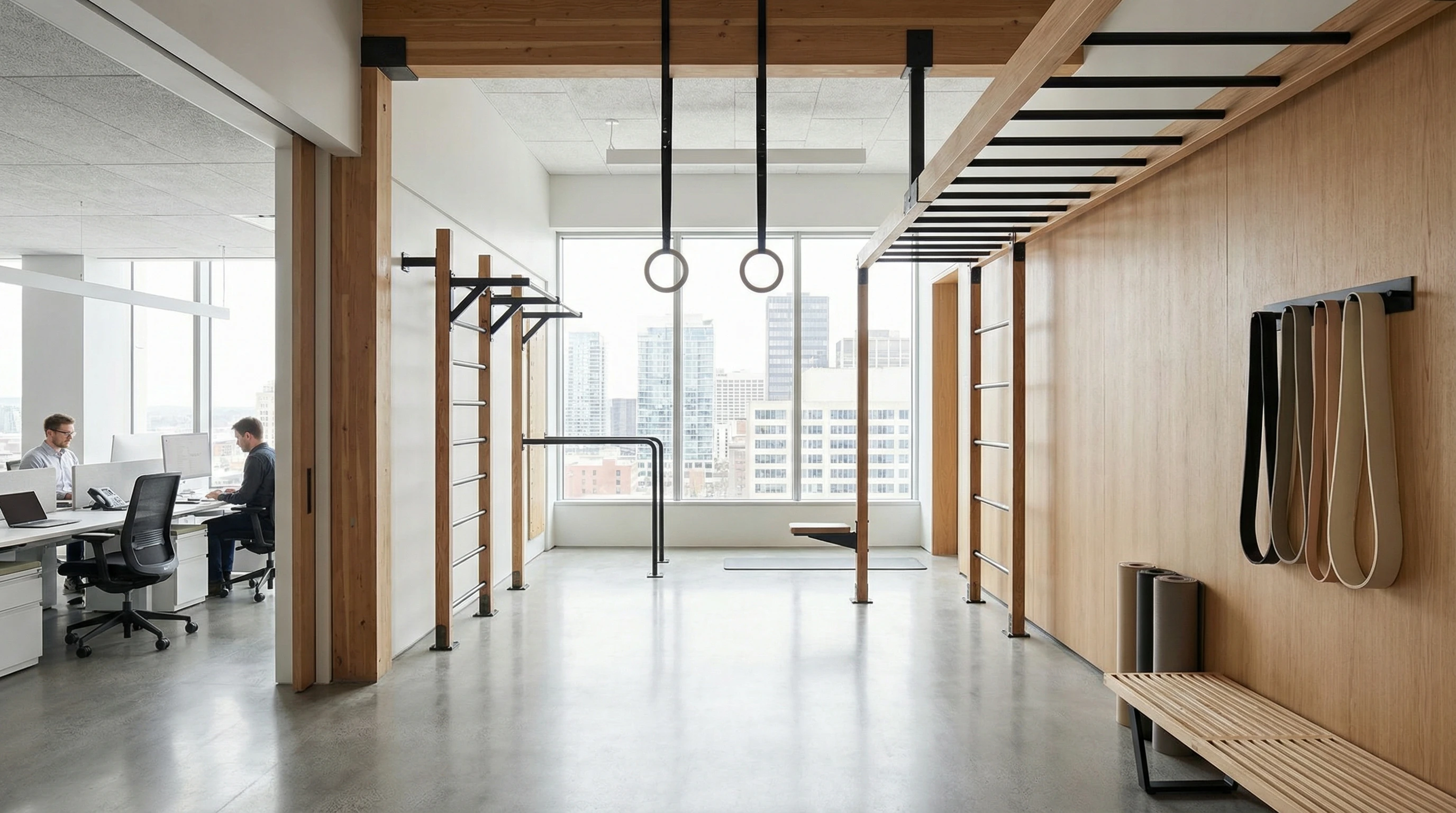
If you’ve ever tried to balance fitness goals with a hectic professional life, you probably know how tough it can be to squeeze in a consistent workout routine. Calisthenics, using your body weight for resistance, comes in pretty handy when life throws curveballs at your schedule. I’ve designed this structured calisthenics program specifically with busy professionals in mind. It’s quick, efficient, and organized so you don’t need to waste time figuring out what to do each day. My aim here is to help you get stronger, more flexible, and energized even with a packed calendar.
The Upside of Calisthenics for Busy Schedules
Calisthenics fits easily into a routine, even if you barely have spare time. You don’t need fancy gear or a full gym membership. The exercises are effective and can be done pretty much anywhere, whether that’s your office, living room, or a hotel when you’re traveling for work. This approach encourages regular activity, not long, drawn-out gym sessions that are often skipped when days get crazy.
Plenty of research supports short, high-intensity bodyweight workouts for boosting strength, improving posture, and keeping your heart healthy (source). For anyone spending long hours at a desk, calisthenics offers a way to offset stiffness and build energy. Not only does it help you physically, but it can also clear your head for those demanding work projects.
How This Structured Program Keeps It Simple
The key to sticking with fitness as a working pro is having a plan. Structure removes decision fatigue; just follow the schedule. My program uses a smart split so you can get quality sessions done in under 30 minutes, three to five times a week. Everything’s built around core movements that work multiple muscle groups at once, making each session time-efficient and effective.
- Minimal equipment: A pullup bar, resistance bands, and maybe a yoga mat; that’s it.
- Flexible scheduling: Workouts can be moved around your week as needed. Traveling? No problem—just use bands or bodyweight only.
- Progression built-in: Clear methods for making exercises tougher as you get stronger, so you never hit a plateau.
Basic Calisthenics Moves and Why They Work
Most of the program revolves around push, pull, squat, and core movements. Checking out what each move targets lets you make the most out of your short sessions:
- Pushups: Great for chest, shoulders, and triceps. Variations like incline or diamond pushups let you ramp up the difficulty.
- Pullups/Rows: Work the back, arms, and help improve posture. Can be swapped for resistance band rows if you don’t have a bar.
- Squats: Powerful for legs, glutes, and core stability. Lunges and stepups are good alternatives for variety and for staying engaged mentally.
- Planks and Hanging Knee Raises: These moves focus on core strength and spinal stability, which is particularly useful if you spend hours sitting.
These exercises not only get your heart rate up but also help boost mobility and joint health, both of which are often neglected by busy professionals.
Sample Weekly Calisthenics Schedule
Here’s how you might organize your week for simplicity and consistency:
- Monday: Push + Core
Pushups, pike pushups, dips (bench or chair), standard plank, and side planks. If you want a bit more challenge, add slow negatives to pushups for extra time-under-tension. - Wednesday: Pull + Core
Pullups or resistance band rows, inverted rows, hanging knee raises, hollow holds, and even superman pulls for lower back health. - Friday: Legs + Mobility
Bodyweight squats, reverse lunges, split squats, calf raises. Finish with some hip stretches, glute bridges, or yoga poses like pigeon or down dog for mobility. - Optional Saturday/Sunday: Fullbody Express
Pick one move from each group (push, pull, squat, core) and do two rounds for 15–20 minutes. This can be a great quick hit if your week gets away from you.
On weekdays when you’re swamped, the express option takes under 20 minutes and still delivers great results if you crank up the intensity. Focus on quality reps rather than speed. For extra variation, flip the order each week or swap in new moves like tricep pushups or pistol squats to keep it interesting.
How to Progress Without Spending More Time
Progression doesn’t mean longer sessions; it’s all about working a bit harder as you get fitter. You’ll keep seeing results by:
- Adding more reps or sets as current levels become easy to handle
- Trying tougher variations, like archer pushups instead of regular versions
- Shortening rest periods between sets for a harder push and a cardio boost
- Incorporating slow, controlled reps (tempo training) for extra challenge and muscle growth
It’s a good idea to track your sessions using an app or a simple notebook. Seeing progress, even a few extra reps, can give a solid motivation boost. Also, setting monthly challenges, like “add one pullup each week,” keeps you striving for progress.
Things to Watch Out for When Starting Out
Like starting anything new, calisthenics can come with a few hurdles, usually tied to form, consistency, and your workout environment. Here are some common bumps in the road and my tips to smooth things out:
- Joint discomfort: This is pretty common if you rush through movements or skip a warmup. Taking time for a short warmup (simple arm circles, leg swings, gentle jumping jacks) can make a real difference. Always focus on good form instead of speed or rep count; this helps you avoid nagging injuries.
- Getting bored: If routines start feeling stale, switch up the moves or change session formats, like doing a circuit instead of straight sets. Bodyweight moves are easy to mix together so things never get dull.
- Lack of equipment: Not everyone has a pullup bar handy at home or at work. Resistance bands are really versatile and affordable, making them perfect for rows when a bar isn’t available.
- Motivation dips: Tracking progress or joining an online group can help keep you accountable. Even if you lack time for classes or workout buddies, friendly competition or encouragement goes a long way.
Joint Discomfort and Injury Prevention
Desk work and long commutes tend to leave joints stiff. Keep moves slow and focus on control, especially in the beginning. If something feels off, swap it for another variation. Mobility drills like hip circles, arm rotations, and wrist stretches brighten up your routine and support overall joint health.
Staying Consistent When Work’s Unpredictable
Some weeks are just pure chaos. If you miss a session, it’s not a lost cause. Pick up where you left off and aim for small wins. Squeezing in a short circuit before a shower or during a lunch break works wonders for both mood and energy. Even five minutes counts.
Tips for Making It Stick LongTerm
Building a solid fitness habit as a professional means making your routine as frictionless as possible. A few loweffort hacks can help a lot:
- Lay out your mat or resistance band the night before so you see it first thing.
- Save your favorite 20–30minute YouTube calisthenics routine for those super busy days, giving you a ready-made follow-along option.
- Set a recurring calendar reminder to block off workout slots. Treat these like any other important meeting—they’re nonnegotiable.
- Celebrate little victories with something enjoyable, whether it’s listening to your favorite podcast during the session or having an extra coffee afterward.
- If you’re traveling for work, try packing a light resistance band in your suitcase. This enables quick, no-fuss sessions in a hotel room and helps you maintain consistency on the go.
The Barebones Equipment Setup for Busy People
No gym? No problem. Here’s what I keep around for a streamlined setup:
- Pullup bar: Easily fits in most doorways or on a sturdy frame. Works great for pull and hanging work.
- Resistance bands: Perfect for both pulling and pushing exercises. They’re light and portable too.
- Sturdy chair or low bench: Great for doing dips or stepups anywhere you find space.
- Yoga mat: Makes floor work far more comfortable and doubles up as a barrier if you plan to sneak in reps over lunch while in work attire.
That’s really all you need to cover every major muscle group and set up a super flexible fitness habit. If you want even more convenience, folding pushup bars and lightweight rings are fun additions, but definitely not necessary at the start.
Frequently Asked Questions on Calisthenics for Busy Professionals
Some questions keep popping up whenever I share advice about fast, timesavvy workouts. Here’s what I get asked a lot:
Question: Can I really get stronger with short calisthenics workouts?
Answer: Absolutely. If you’re pushing close to your max in each set, you’ll spot strength and muscle gains. Consistency matters much more than marathon sessions.
Question: What if I only have 10 minutes?
Answer: Ten minutes is still enough to bang out a quick circuit—pushups, squats, and planks for two rounds with minimal rest works wonders when time is tight.
Question: How do I stay motivated if my work schedule is unpredictable?
Answer: Keeping routines simple and easy to track (jotting down reps or joining group challenges) keeps you moving forward. Focusing on progress, not perfection, is the real secret for busy pros.
Wrapping Up: Calisthenics Can Fit Any Busy Lifestyle
Structured calisthenics is a simple way to make fitness doable—even during the most hectic weeks. With a plan, just a few bits of gear, and short, focused sessions, you can build strength, boost energy, and stay active without throwing your work life off balance. This isn’t about perfection, but about giving yourself a real shot at feeling great and staying fit on your terms.
If you’re ready to give calisthenics a try, the best time to jumpstart your routine is now. Even if you just sneak in five pushups between meetings, those small efforts add up over time. Eventually, these tiny habits grow into a sustainable, long-term fitness routine that you can truly own.