
If you’ve just had a baby, you’re probably itching to feel strong and comfortable in your own skin again. Rebuilding core strength in those first few months after giving birth can help you regain stability and support in daily life. While the process might feel slow, taking a gentle, bodyweight approach is not only doable at home but also supports your recovery without overdoing it. Here, I’ll break down straightforward, effective postpartum bodyweight exercises that can help rebuild your core safely and confidently.
Why Core Strength Matters After Pregnancy
Pregnancy stretches and weakens the core muscles, including your abdominals, back, and even the muscles around your pelvis. These muscles play a major role in posture, movement, lifting, and even breathing. Weakness in this area can lead to back pain, balance struggles, and everyday discomfort. Bringing strength back to your core isn’t just about appearance; it’s about feeling stronger, moving better, and reducing the chance of injury.
Research from the American College of Obstetricians and Gynecologists shows that core work can benefit posture, pelvic alignment, and even your mental outlook during postpartum recovery. For many new parents, regaining core stability also makes daily routines like carrying your baby or picking up toys easier and less tiring.
During pregnancy, abdominal muscles stretch to allow for your growing belly. The connective tissue, called the linea alba, also widens, sometimes resulting in diastasis recti (a separation down the middle of the six-pack muscles). Focusing on core exercises that reduce intraabdominal pressure and avoid straining the abs helps with gentle healing.
Getting Started: Safety Tips and Timing
Before jumping straight back into exercise, it’s really important to check in with your care provider. Most people get the go-ahead for light bodyweight exercise around six weeks postpartum (a bit longer if you’ve had a C section), but everyone’s body is different. If you notice pelvic pain, bleeding, heaviness, or discomfort, take it as a sign to ease up and ask for advice.
- Begin slowly: Even basic moves can feel like a lot. Start with a few minutes and add more as you get comfortable.
- Listen to your body: Light fatigue is normal, pain is not. Any sharp pulls or persistent aches should be checked out by a professional.
- Don’t hold your breath: Steady breathing helps your body recover and reduces strain on your pelvic floor.
- Support pelvic health: Include exercises that focus on both the pelvic floor and the core, since they work together for stability.
Key Moves: Postpartum Bodyweight Core Exercises
Fancy equipment isn’t needed to start rebuilding your core. Here are my main picks for bodyweight exercises that help build strength, protect your back, and avoid placing unwanted pressure on healing tissues. These exercises can be done at your own pace and adapted as you gain confidence.
- Pelvic Tilts: Lie on your back with knees bent, feet flat. Exhale as you gently tilt your pelvis, pressing your lower back toward the floor, then relax. Repeat 10 to 15 times. This move helps reactivate deep core muscles without crunching the abs.
- Heel Slides: Stay on your back, knees bent. Slide one heel out to straighten your leg, then bring it back, keeping abs slightly engaged. Alternate sides, 10 to 12 times each leg. This is low impact and great for waking up your lower body and core together.
- Modified Side Plank: Lie on your side, propped up on your forearm, knees bent. Lift hips toward the ceiling, keeping shoulders stacked. Hold for 5 to 10 seconds, then switch sides. This move supports oblique muscles and hips without straining your middle.
- Bird Dog: Start on hands and knees, shoulders over wrists, hips over knees. Extend one arm forward and the opposite leg back, keeping hips level. Return, then switch. Try 10 reps each side. This targets deep core muscles, back, and glutes, all in one go.
- Wall Sit with Core Engagement: Stand with your back against a wall and lower into a seated position. Gently pull your bellybutton toward your spine as you hold for 20 to 30 seconds. This is great for picking up strength while practicing core activation.
If you’re ready to add more, you can try exercises like glute bridges or standing hip hinges for a fullbody challenge. These moves will help restore not only core strength but overall stability.
How To Know You’re Doing Core Work Safely
Postpartum, the focus moves to gentle, controlled moves instead of high intensity crunches or planks. Here’s how I gauge that exercises are working for, not against, me:
- Can you breathe easily? If you’re holding your breath or feeling pressure downward in your pelvic floor, it’s probably too intense.
- No signs of bulging: Your tummy should stay relatively flat, without doming or a visible bulge down the middle. If you notice this, pause and choose a gentler exercise.
- Pain free: Mild muscle fatigue is okay. Pain anywhere, especially in your stomach or pelvic floor area, means you should stop right away.
- Steady progress: Exercises should get easier with time. If things get harder, it’s a signal to slow down.
Things to Watch For: Common Postpartum Core Exercise Challenges
Every recovery adventure has bumps in the road. For many new parents, rebuilding the core means facing at least a few of these hurdles:
- Managing Diastasis Recti: If you see a gap down your abdominals or feel weakness in the midline, it’s a good idea to get checked out by a physical therapist who specializes in postpartum care. Exercises like aggressive situps or double leg lifts often make this worse, so focus on the gentle, functional moves above.
- Pelvic Floor Weakness: Leaking, pelvic heaviness, or discomfort with core exercises signals it’s time to add more pelvic floor support. Moves like Kegels (short squeezes and long holds) can help, but talking with a pelvic floor therapist gets you tailored advice.
- Time and Energy: Juggling a newborn with your own recovery is not easy. Doing just one or two moves daily, even while your baby naps or plays, really adds up over time.
Pelvic Floor Recovery & Core Work
Supporting your pelvic floor while restrengthening your abdominals makes a big difference in how you feel day to day. Combining gentle core activation (drawing the navel in and up, rather than pushing out) with pelvic floor contractions is the way to go. Avoid traditional ab workouts or anything that causes bulging, as this slows healing.
Supporting Your Mental Health Alongside Physical Recovery
There’s a strong link between physical recovery and mental wellbeing. Just a few minutes of daily exercise can lift your mood and help tackle feelings of overwhelm. Some people find it useful to connect with other postpartum parents, either virtually or in a group class, for extra motivation and camaraderie. If you notice postpartum depression or anxiety symptoms, reaching out to your healthcare provider is really important; they can recommend options to support your whole wellbeing.
Advanced Tips for Making Progress
Once you’re feeling stronger with the basics, you can start upping the challenge step by step. Here’s what I’ve found helpful for progressing postpartum core strength workouts:
Try Gentle Progressions: Add a few more seconds to each exercise or a couple more reps as you get stronger. Swap modified side planks for longer holds or move from bentknee to straightleg bird dog for extra challenge. Just keep listening to your body.
Keep it Functional: Focus on movements that match daily life, like carrying your baby or getting up from the floor. This keeps your recovery practical and helps you get back to everyday strength sooner.
Add Glute & Back Work: Your core doesn’t work in isolation. Moves like glute bridges or standing hip hinges help restore balance and stability in the whole body, not just your abs.
The biggest win? Consistency. Even short but regular movement adds up, and progress feels super rewarding when you keep at it over a few weeks or months.
FAQs About Postpartum Core Strengthening
How soon can I start core exercises after birth?
It’s best to wait until your care provider says you’re ready, which is usually at your sixweek checkup. If you had a C section or complications, you might need more time.
What are signs I should stop exercising and check in with a professional?
New or worsened bleeding, pain, heaviness, incontinence, or a bulge down your stomach are all reasons to pause and get professional advice.
Can gentle movement really make a difference?
Absolutely. Consistent, gentle movement helps your body reconnect with your core muscles and sets you up for more advanced exercise later on. Every bit counts.
How do I stay motivated?
Celebrating small milestones, tracking improvements, and finding a buddy, online or in person, can really help with motivation. Remember, even on days you only squeeze in a single exercise, you’re moving forward.
Practical Home Setup For Postpartum Core Workouts
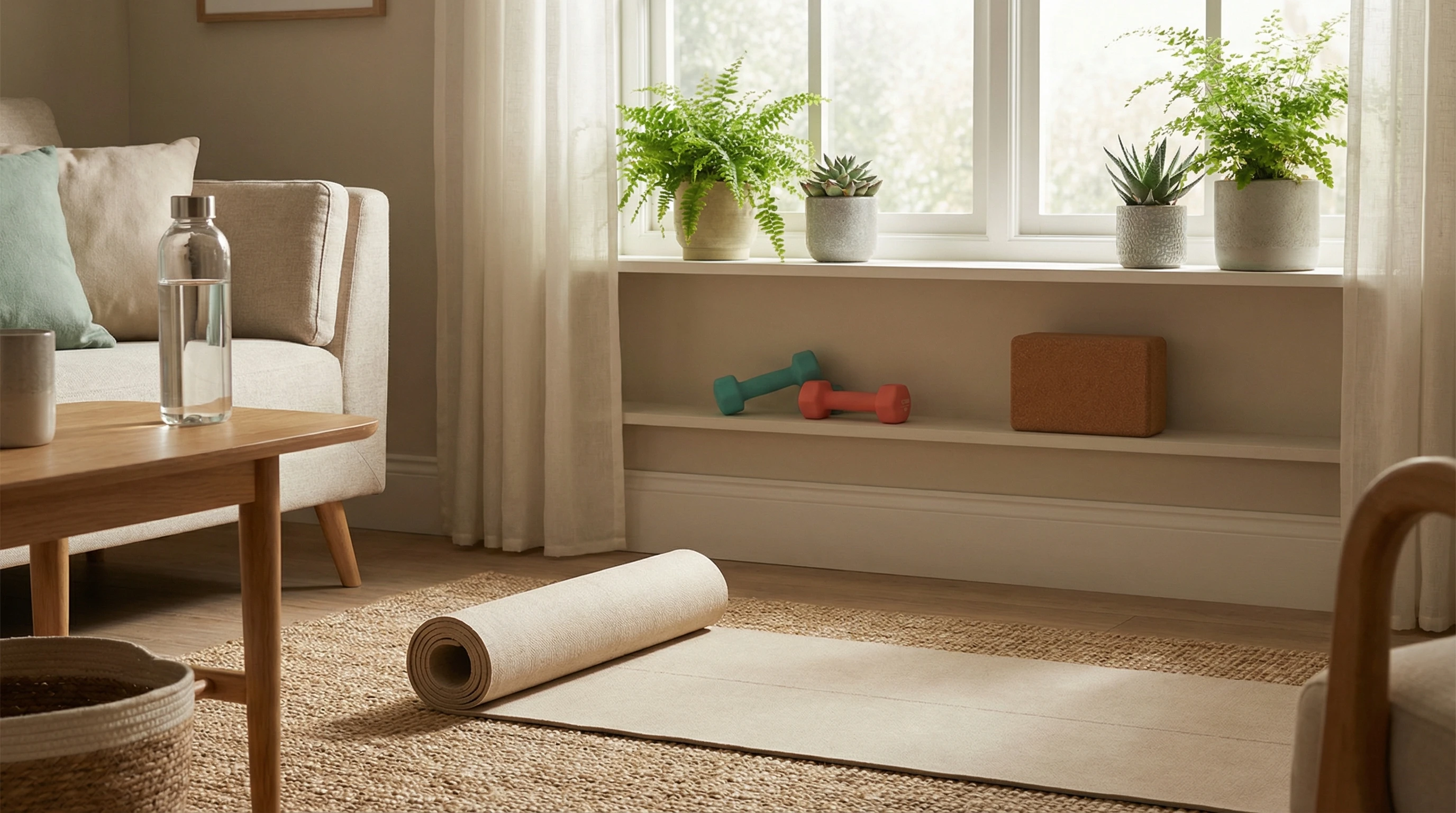
A quiet spot in your living room, a yoga mat, and maybe a pillow for support can turn any corner of your home into a personal studio. Music or a calming podcast adds a nice touch. You don’t need to wait for a big chunk of uninterrupted time, since spreading out short sets during the day works just as well for building habit and strength.
When in doubt, keep things simple, trust the process, and give yourself some grace. Postpartum core strength isn’t about rushing. It’s about gently rebuilding your center until you feel steady and strong in every stage of your parenthood adventure.