
Improving mobility has become really important for anyone wanting to get better at calisthenics. From smoother pullups to deeper squats, great mobility makes every movement feel safer and more controlled. When my joints and muscles move freely, I can unlock new skills and reduce the risk of injuries. In this article, I’m sharing practical steps and key ideas to take up a notch your mobility for calisthenics so you can train with more confidence.
Why Mobility Matters for Calisthenics
Mobility means having enough flexibility and control to move your joints through a full range of motion. It’s different from flexibility alone; while flexibility looks at how far a muscle can stretch, mobility adds in the ability to control that range. In calisthenics, this control is everything. Moves like pushups, Lsits, handstands, and muscleups all demand strength and stability, but if my mobility is limited, those exercises get harder or start to feel awkward and even risky.
Improving mobility does more than help with next-level cool skills. It helps prevent common overuse injuries, boosts joint health, and makes every workout feel better. Research from the National Strength and Conditioning Association shows that regular mobility work steps up muscle function, making progress smoother during bodyweight programs. This means mobility training pays off over the short and long term alike.
Learning the Basics: What Is Mobility Work?
Mobility training mixes stretching, active movement, and joint strengthening. Traditional stretching holds a position to lengthen a muscle. Mobility routines add motion, teaching joints to stay strong through a range of positions. These routines aren’t always about touching my toes, but moving my hips, ankles, shoulders, and wrists through real-life motions I need in calisthenics.
Here are some terms to know getting started:
- Dynamic Stretching: Moving a limb through its range to warm up or train better mobility. Think leg swings or arm circles.
- Static Stretching: Holding a stretch for longer. Good for cooldowns and helping muscles lengthen after a tough workout.
- Active Range of Motion (AROM): How far my joints move using only my own strength—not someone else or outside force.
- Joint Circles: Rotating a joint in all directions to keep it healthy and moving fluidly.
How To Start Improving Mobility
Jumping in with mobility for calisthenics is straightforward but takes a bit of consistency. I usually start with a daily routine before my main workout. My approach:
- Warm Up: Light cardio gets blood moving and muscles ready. Brisk walking, some jump rope, or jogging for a few minutes works well.
- Focus on Key Joints: I prioritize wrists, shoulders, hips, and ankles since those get used in bodyweight moves the most.
- Dynamic Movements: I’ll do movements like hip circles, catcow, scapular pushups, and deep squat holds with gentle rocking. These prep the joints in patterns I’ll use at my next calisthenics session.
- Progress to More Intense Stretching: After my workout or on rest days, I’ll add static stretches such as pigeon pose for hips or doorway stretches for shoulders, holding each stretch for about 20–30 seconds.
With just 10 to 15 minutes daily, I’ve seen some big improvements in my range and comfort over a few weeks.
What To Consider When Building a Mobility Routine
Lots of programs and trending techniques are out there, but designing something effective for calisthenics isn’t hard. Here are a few tips I stick by:
- Frequency: Daily mobility work brings the best results. Small sessions add up over time.
- Specificity: Target the joints you use most. Wrist moves for handstands, hip and shoulder work for squats, pushups, and levers.
- Intensity: Stay gentle! The goal is to improve range and control, not push through discomfort.
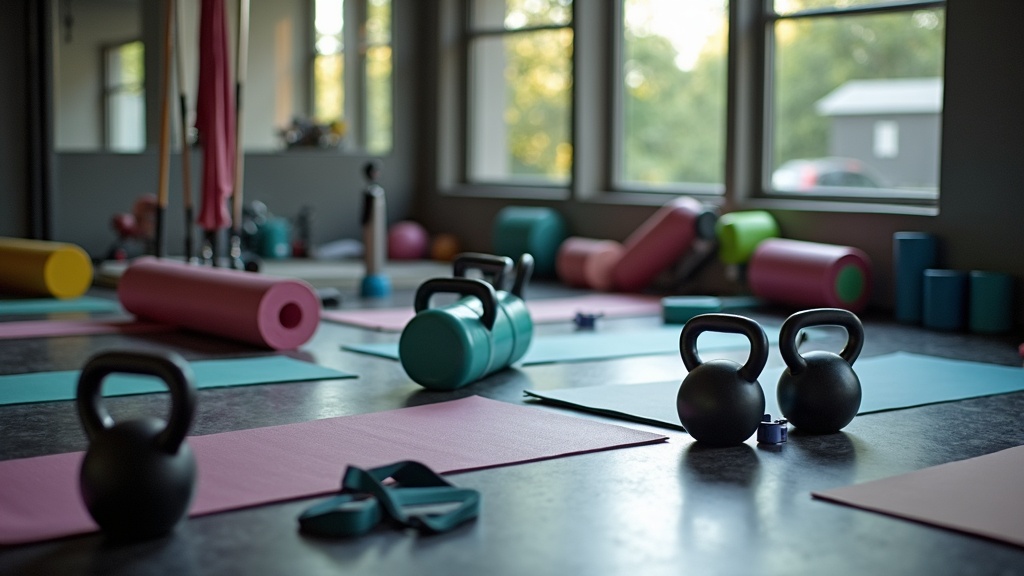
- Tools: Simple gear like resistance bands, foam rollers, or massage balls can give tight spots a boost and improve motion, but isn’t required.
I run into some common hurdles too—stiff days after sitting at a desk, for instance. On those, gentle joint circles make a real difference. Sticking to a routine helps solidify the habit, so it just feels like another part of training and not an extra task.
Wrist Mobility
Wrist comfort makes a big difference for pushups, handstands, and planches. If my wrists are tight, I’ll feel the pain soon. Easy wrist circles and gentle wrist stretching, like placing palms down and rocking forward, go a long way before loading my wrists with bodyweight moves.
Shoulder Mobility
The shoulder joints are among the most mobile but also the most vulnerable. Moves like arm circles, banded passthroughs, and scapular pushups keep my shoulders strong without overstretching. Using a light resistance band for passthroughs—holding it wide and rotating from my hips over my head and back—keeps my shoulders healthy.
Hip Mobility
Strong hips are the base for squats, lunges, and pistols. Deep squat holds (keeping my heels down if possible), ninety-ninety hip rotations, and lunging stretches loosen up my hips for better movement and more stability. Mobile hips make me feel grounded during single-leg work and explosive moves.
Ankle Mobility
Flexible ankles make deep squats more comfortable and stable. Ankle rocks (pressing forward over the toes, heel down) and gentle ankle circles keep things smooth. Stiff after a long walk or run? I use a tennis ball to gently roll out sensitive spots under my feet.
Advanced Mobility Tips for Calisthenics Enthusiasts
Once I’ve built consistent habits, I often look for ways to challenge my control more. Here are a few tips that make a noticeable difference:
Controlled Articular Rotations (CARs): Slowly moving a joint through its range with maximum control, focusing on smoothness and keeping the rest of the body still, can move your progress ahead. For example, with shoulder CARs—raising your arm overhead, then rotating and lowering it behind you—coordination grows and strength builds in all parts of the joint, not just the flexible areas. Resources like Stronger by Science have great explanations and sample routines if you want to check out more.
Loaded Mobility: Adding light resistance (like holding a kettlebell overhead in a deep squat) builds strength where you need it most—at the end of your range of motion. This gives more usable flexibility, which shows up during tough moves.
Plyometric Mobility: Includes gentle bouncing or light jumps from a squat or lunge position. These low-level plyometrics prep joints for explosive movements in advanced calisthenics, including jumping muscleups or clapping pushups.
The Basics: Simple Mobility Tools You Can Use
Making progress with just your own bodyweight is totally doable, but using simple gear often makes mobility more fun and effective. My own go-to choices:
- Foam Roller: Foam rolling helps ease up tight spots in legs and back, either before or after a workout, leading to less soreness.
- Resistance Bands: From banded passthroughs for the shoulders to stretching the ankles, bands offer better control and add variety to my sessions.
- Massage Ball: Pressing one against the ground or wall lets me target stubborn tension areas in the feet, glutes, or shoulders.
Each item is budget-friendly and fits in a drawer or gym bag. They don’t need much space, and it’s easy to fit them into any routine at home or outside.
Frequently Asked Questions
Lots of people get into calisthenics ready to tackle big skills, but run into mobility questions on the ride. Here are some things I get asked most often:
Question: How can I tell if my mobility is solid for calisthenics?
Answer: Try a deep bodyweight squat, a straightarm plank, and an overhead arm raise. If you can do these comfortably without pain or big compensations (for example, lifting your heels in a squat), your baseline mobility is probably good. If not, joint-by-joint stretches really help.
Question: Is stretching before calisthenics safe?
Answer: Dynamic stretching works best for warming up, since it gets everything moving. Longer, static stretches are best saved for cooling down or on your off days when you need recovery.
Question: How long until mobility improves?
Answer: Some benefits show up right away, like when your joints loosen and muscles warm up. With regular routines, I start tracking real changes—like smoother squats or less stiff pushups—within three to four weeks.
Practical Takeaways
Fitting mobility work into my calisthenics plan is always worth it. It pays off through better motion, safer joints, and steady progress with harder moves. Just a few focused minutes daily on wrists, shoulders, hips, and ankles lets me push for more advanced skills and enjoy every session more. After months of practice, my whole body feels tough and flexible, making every workout both smoother and safer.