
Calisthenics is a practical way for teenagers to grow both physically and mentally, all without expensive equipment or a gym. With just your own body weight, you can build strength, boost your fitness, and improve your confidence. Many teens benefit from calisthenics because these exercises are accessible and adaptable. So, let’s dig into what makes calisthenics worth checking out during your teenage years, how to get started, and what you can expect. Plus, you’ll find some tips that are super useful if you’re new to the whole thing.
Why Calisthenics Fits Perfectly With Teenage Growth
Teenagers are growing fast, which means their bodies are changing and adapting all the time. Calisthenics fits right in with that because it encourages natural movement patterns that support those changes instead of forcing muscles and joints through heavy or tough to control weights. Most calisthenics exercises, like pushups, squats, planks, and pullups, rely on moving your own weight, so it’s less risky for joints and helps with coordination and balance.
During adolescence, bodies go through many growth spurts and hormonal shifts. Calisthenics gives teens the chance to learn proper movement and control, making them less likely to get hurt in daily life or other sports. There’s research showing that bodyweight training can build up both muscle strength and bone density. Both of these help teens stay active, healthy, and injury free (source).
How Calisthenics Boosts Physical Development
What makes calisthenics super useful for teens is that it helps in a bunch of different ways, all at once. Here’s a look at what it can do for growing bodies:
- Builds Functional Strength: Movements like lunges and pushups improve core stability, coordination, and full body strength.
- Improves Flexibility and Balance: Many exercises require good form, which trains balance and flexibility naturally.
- Keeps Bones Healthy: Weight bearing activities are known to support strong, healthy bones. This is really important during growth spurts.
- Gives a Boost to Cardiovascular Health: Fast paced bodyweight circuits pump up heart health along with strength.
For teens just starting out, calisthenics can be adjusted for any fitness level—from wall pushups to full pullups—so it’s easy to find a good starting point. And because you can ramp up the intensity as your strength builds, progress feels steady and rewarding.
Getting Started With Calisthenics As a Teenager
If you’re new to fitness, jumping straight into complex moves isn’t needed. The basics are plenty challenging and super effective if you stick with them and put in good effort. Here are some simple ways to get into calisthenics as a teen:
- Focus On the Main Movements: Start with squats, pushups (knee or regular), planks, and rows (using a sturdy table or bar).
- Use the Right Progression: Don’t move to harder variations too fast. Mastering each level of difficulty keeps it safe and helps your form.
- Keep It Consistent: Doing three to four sessions a week with 20–30 minutes each time is enough to see results, especially for beginners.
- Watch Your Form: Quality matters way more than quantity. Good form builds real strength and helps avoid bad habits or injuries.
- Rest and Recovery: Muscles need time to grow and recover, so don’t skip rest days.
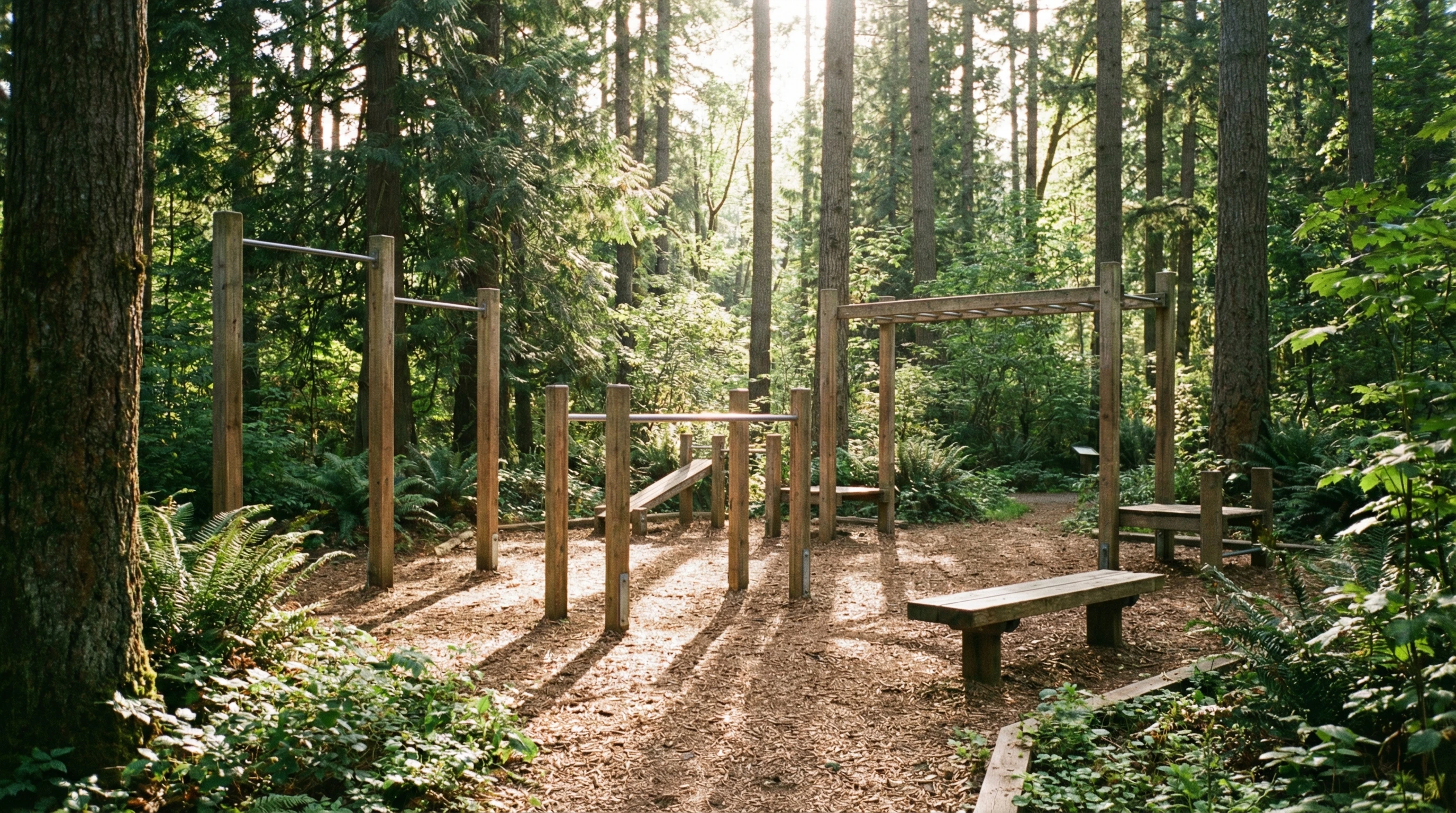
No fancy setup is needed. A yoga mat, a sturdy chair, or a safe outdoor playground can easily give you all the tools needed to keep things fresh and fun.
Common Challenges and How to Tackle Them
While calisthenics is beginnerfriendly, teens can still run into a few bumps. Here’s what to expect and some ways to handle these roadblocks:
- Lack of Motivation: It’s not always easy to work out alone or without clear goals. Sticking to a routine is much easier with a workout buddy or tracking sessions on a free app.
- Plateaus: Results might come quickly at first, then slow down. Mixing up exercises or adding reps and sets can keep progress going.
- Impatience: Strength and muscle gains take time. Celebrate each milestone, no matter how small; hitting five extra pushups or holding a plank a little longer definitely counts.
- Confusion Over Technique: If you aren’t sure your form is right, checking out reputable YouTube channels or online guides can clear things up. Plenty of free resources walk through each move step by step.
Motivation Tips
If keeping up with new habits is hard, setting specific, measurable goals helps. Maybe you want to hit 20 pushups or try your first pullup by month’s end. Write it down. Tracking improvements, either on paper or with a phone app, makes progress visible.
Dealing With Plateaus
Everyone hits plateaus at some point. Mixing up routines or increasing the challenge in small steps helps a lot. For example, switch regular squats for split squats, or hold pushups for a few seconds at the bottom.
Learning Proper Technique
If you’re stuck on form, try videoing your movements or asking someone knowledgeable for feedback. Lots of trustworthy tutorials online break down the details with cues that make sense. Look for certified trainers or recognized fitness organizations for advice.
Calisthenics Benefits Beyond Physical Fitness
The mental and emotional side of calisthenics is a big deal for teenagers. Here’s what can be especially helpful during those years:
- Builds SelfConfidence: Seeing and feeling progress, like finally holding a plank for a whole minute, gives a real confidence boost.
- Teaches Patience and Consistency: Working toward new moves takes time and teaches patience without making it a chore.
- Fosters Independence: Teens don’t need a gym membership or a coach beside them to make progress. That sense of autonomy carries over to other parts of life, too.
- Relieves Stress: Regular movement is one of the best ways to get rid of builtup stress or frustration, especially during busy school years.
It’s not only about looks or strength. The mindset and discipline you get from calisthenics as a teen can help with study habits, friendships, and daily routines too.
RealWorld Calisthenics Example Routines for Teens
Here’s a sample week for a beginner who’s juggling school, sports, and maybe a parttime job. It’s a setup that gives plenty of room for recovery and variety but still packs a solid challenge.
- Day 1 – Upper Body
Pushups (Knee or Standard): 3×8–10
Bench/Chair Dips: 3×10
Bodyweight Rows: 3×8 - Day 2 – Lower Body
Squats: 3×12
Reverse Lunges: 3×8 per leg
Glute Bridges: 3×12 - Day 3 – Core and Cardio
Plank: 3×30 seconds
Mountain Climbers: 3×15
Supermans: 3×10
Rest or active recovery (like walking, biking, or stretching) fills the other days. You can swap or adjust exercises depending on your fitness and comfort level. As you get stronger, add extra reps, sets, or try slightly harder versions.
It helps to write out or print your weekly plan. This way, tracking your workouts and progress is much easier. If you stick with it, you might be surprised at how much your performance jumps up in just a month or two.
Frequently Asked Questions About Calisthenics and Teens
Teens and parents often ask lots of questions about calisthenics. Here are a few you might want answers to:
Question: Is it safe for teenagers to do calisthenics?
Answer: Calisthenics is safe when exercises are performed with proper form and there’s enough rest between sessions. Listening to your body and not pushing movements too hard is important.
Question: How long until you see progress?
Answer: Many teens notice improvements in strength and stamina in just a few weeks if they’re consistent. Visible changes like muscle tone might take more time, but each step forward matters.
Question: What if you can’t do a pushup or pullup yet?
Answer: Using easier variations, like knee pushups or simple hangs for grip strength, helps you build up until you’re ready for the real thing. There’s always a way to get started and progress step by step.
Bottom Line: Why Calisthenics Is Great for Teens
Calisthenics stands out because it’s accessible, effective, and even fun for teenagers to stay active, get stronger, and boost mental health—all without spending much or needing fancy equipment. With a bit of consistency and some solid guidance, nearly any teen can make use of these benefits: physically, mentally, and beyond. I’ve seen how calisthenics can provide a foundation for lifelong health and confidence, and it’s definitely something worth trying if you’re curious about getting stronger and feeling better.