
Building muscle mass with home bodyweight workouts is more doable than many people think. While fancy equipment and gym memberships get plenty of attention, I’ve found that with the right strategy and consistency, bodyweight exercises can kick off real muscle gains right in your living room. In this guide, I’m breaking down how you can build strength and muscle with just your body, some open space, and a solid game plan for success.
What Makes Bodyweight Training Effective for Muscle Growth
Bodyweight training has picked up some serious steam over the past few years. People want flexible ways to get fitter at home, and bodyweight workouts provide just that. There’s this idea that you need heavy dumbbells or resistance machines for real muscle growth, but you can create plenty of tension with your own weight for resistance. Focusing on technique, increasing time under tension, and using advanced moves keeps your muscles challenged and helps spark growth.
The science backs this up, too. Studies show that muscle hypertrophy (that’s the technical term for muscle growth) is more about working your muscles to fatigue and progressively pushing them harder, rather than the actual weight you use. So if you keep cranking up the challenge using your own bodyweight, those gains will follow! Plus, it’s easier to squeeze in quick workouts at home, making consistency possible even with crazy schedules.
The rise in apps, online challenges, and calisthenics routines points to the fact that home training is more popular than ever. While lifting at the gym isn’t going anywhere, home workouts work great for lots of people who want accessible, effective strength routines. You also avoid long commutes and crowded spaces, turning your living room into your own personal fitness center.
Getting Started: Setting Up for Home Bodyweight Workouts
Kicking off musclebuilding at home doesn’t call for a fancy setup. A little space, motivation, and a few practical tips help lay the foundation. Here’s what I recommend for a smooth start:
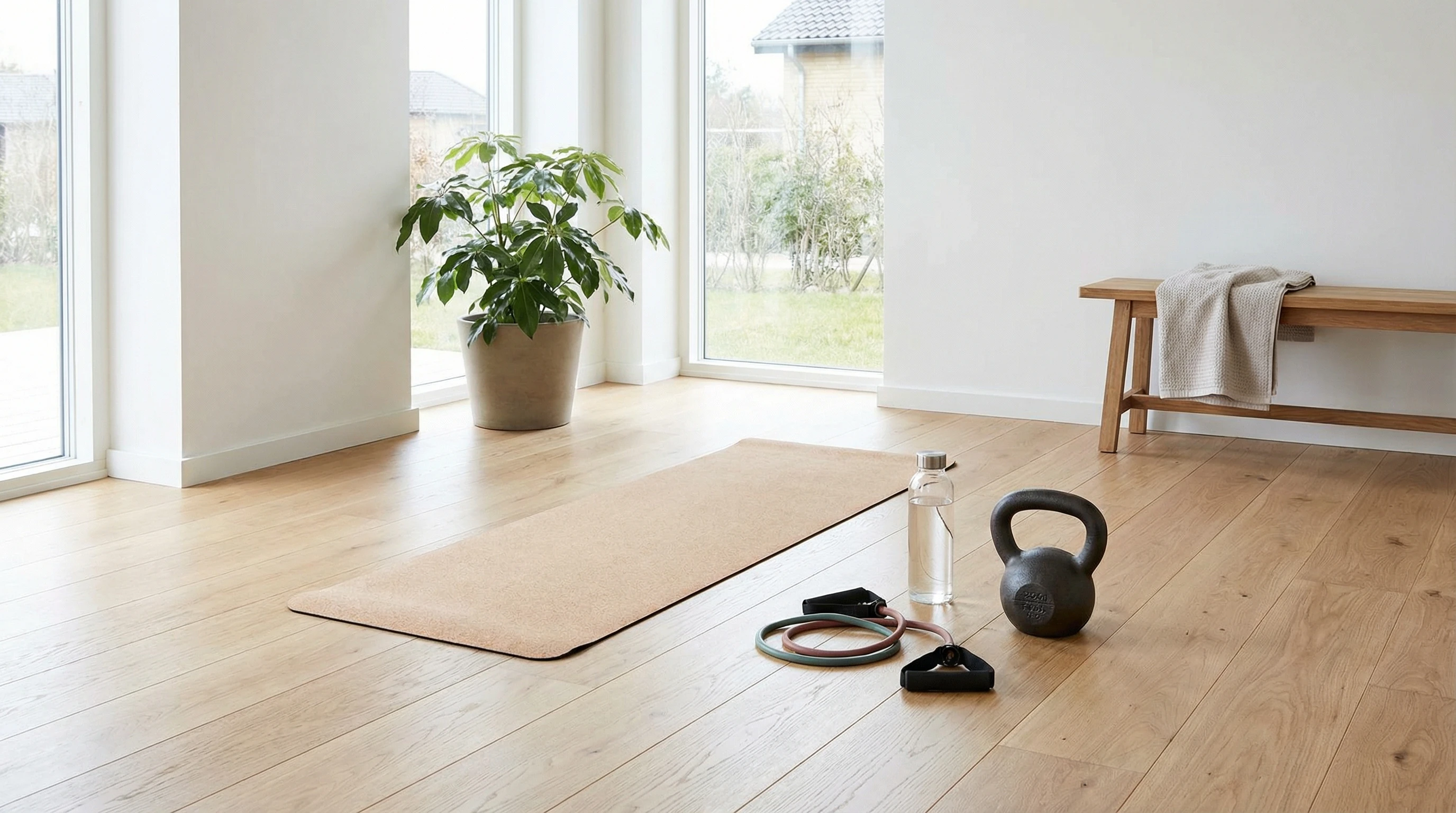
- Clear a safe workout space: Make sure you have enough room to move freely. A yoga mat is handy, but not required.
- Wear comfy workout gear: Proper shoes and clothing cut down on accidents and make it easier to move.
- Pick a schedule: Decide which days you’ll train. Consistency is way more important than marathon sessions.
- Start with basic moves: Focus on classic bodyweight exercises like pushups, squats, and planks to learn good form.
Having a plan, such as a simple notebook, spreadsheet, or an app, helps keep you on track and monitor your progress. I suggest snapping a few photos at the start and after a couple of months to see how far you’ve come. Seeing visual progress can be a major confidence booster! If you want more structure, tons of free workout templates are available online for all levels.
Quick Guide to Home Bodyweight Workouts for Muscle Mass
Bodyweight workouts are all about progression. Just like lifting heavier, you can increase reps, sets, tempo, or try tougher exercise variations. Here’s a simple plan to follow for muscle growth at home:
- Master Fundamental Exercises: Get strong at pushups, squats, lunges, dips, and planks. Good form matters.
- Progress to Advanced Moves: Try variations like archer pushups, pistol squats, and explosive jumps as you get stronger.
- Add Volume and Intensity: Increase reps and sets, and try slow reps or paused holds to challenge your muscles.
- Train Consistently: Aim for three to five workouts per week, with at least one rest day in between tough sessions.
- Track Progress: Record your reps and note improvements. Subtle wins add up fast and help you stay motivated.
If you notice that you’re stalling out, mix up your routine or look up new challenging bodyweight moves online. Adding basic equipment, such as a pullup bar, resistance bands, or a sturdy chair, unlocks even more options if you have them on hand.
Key Points to Watch for When Training at Home
Like any strength training, home workouts come with a few quirks. Here are some common things to keep in mind, along with my tips for sorting them out:
- Overcoming Plateaus: Muscles adapt pretty quickly. If you can breeze through your sets, it’s time to pump up the difficulty. Try more reps, a slower pace, or advanced moves for a new challenge.
- Avoiding Injury: Form comes first, always. If a move doesn’t feel right, scale it back or research the proper technique to make sure you’re moving safely.
- Staying Motivated: Training at home sometimes gets boring. Mix up your playlist, invite a friend for a virtual workout, or try out fitness apps to keep things interesting.
- Limited Equipment: At first, you may miss gym tools, but using bodyweight variations and things like stairs, backpacks, or towels gets creative juices flowing.
Overcoming Plateaus
Feeling stuck is normal as your body gets used to your routine. One trick that works for me is to switch up your exercise tempo. For instance, try three seconds down on every pushup, or double your sets for a week. These subtle switches often reignite progress and bring fresh challenge to your muscles.
Avoiding Injury
It’s crucial to keep an eye on your form, especially as you tackle tougher moves. I double-check posture in mirrors or record a quick video on my phone to catch errors. Warm-ups and cooldowns help get your body ready and reduce injury risk. If you ever feel pain (not regular muscle burn), take it as a sign to rest or adjust your form.
Staying Motivated
Training at home can sometimes mean staring at the same four walls. That can sap motivation over time. I like to jump in with new music, take workouts outdoors for a change of scenery, or join online “challenges” for community and extra accountability.
Advanced Tips for Maximizing Muscle Growth at Home
After you’ve got the basics down, it’s worth dialing up your training for next-level results. Here are a few things I swear by that really give a boost:
Focus on Mind-Muscle Connection: Try to really feel the target muscle during every rep. For example, squeeze your glutes during bridges or flex your chest at the top of a pushup. This maximizes muscle work and helps you stay dialed in during sets.
Pre-Exhaustion Drop Sets: Start with a harder variation, like pike pushups, then immediately switch to classic pushups when you reach failure. This is a solid way to push your muscles further each workout and keep fatigue high.
Add Eccentric Focus: Slow down the lowering phase for squats or pushups (four seconds down, for instance) to boost tension and drive more growth. This method is especially helpful if you’ve hit a plateau.
Experiment With Density Training: Set a timer for 10 or 20 minutes and see how many high-quality rounds of exercises you can complete, rather than chasing a rigid set number of reps. It’s a fun way to switch up your workout and challenge your limits.
The key to progress is to make your muscles work harder and smarter each week. When you feel like you’ve hit a wall, try a new technique or alternate exercises to keep adapting. It keeps things fresh and exciting, plus you’ll continue to see gains over time.
The Basics: Which Bodyweight Moves Are Best for Building Muscle at Home?
Certain bodyweight exercises stand out as especially effective for building muscle. Here’s a quick rundown of what I use in my routines (and why they work):
- Pushups: Perfect for chest, shoulders, and triceps. Try incline, decline, archer, or diamond variations to step up the challenge.
- Bodyweight Squats: These target your quads, glutes, and hips. If you want a real test, level up to Bulgarian split squats, jump squats, or pistol squats.
- Dips using a chair or step: Great for triceps and chest. Focus on slow, controlled reps—a pause at the bottom turns up the intensity.
- Pullups or Chinups: If you can set up a pullup bar (or find a sturdy branch), these are the go-to for your back, shoulders, and arms.
- Planks and Core Work: Include planks, side planks, and moves like mountain climbers for functional core strength and stability.
Compound moves that use big muscle groups get you the most bang for your buck. These are the exercises that really deliver when you want to see growth and strength gains at home.
Frequently Asked Questions
Here are some common questions about building muscle with home bodyweight workouts:
Question: Can you actually gain muscle without weights?
Answer: Absolutely. By pushing your muscles hard enough with different bodyweight variations, plenty of reps, and steady progression, muscle growth is achievable.
Question: Will bodyweight workouts make you bulky?
Answer: Not likely; at least, not in the way lifting heavy dumbbells combined with huge calorie surpluses might. You’ll build lean, functional muscle and typically add definition rather than substantial bulk.
Question: How do you progress if exercises get too easy?
Answer: Level up the difficulty by moving to singlearm or singleleg variations, adding explosive moves like jump squats, slowing down your reps, or increasing total volume each session.
Question: Can beginners start with these moves?
Answer: For sure! Begin with easy progressions (such as kneeling pushups or chair squats) and move up to tougher versions as your strength and confidence grow.
Final Thoughts on Building Muscle at Home
Packing on muscle with home bodyweight workouts is practical, effective, and surprisingly demanding if you approach it right. Consistency, creativity, and challenging those muscles are what get results. Whether you’re tight on space or want a no-fuss plan, this way of training delivers without big expenses or busy gyms. Give it a shot and see how much you can accomplish with just your own body—you might surprise yourself with the progress you make.