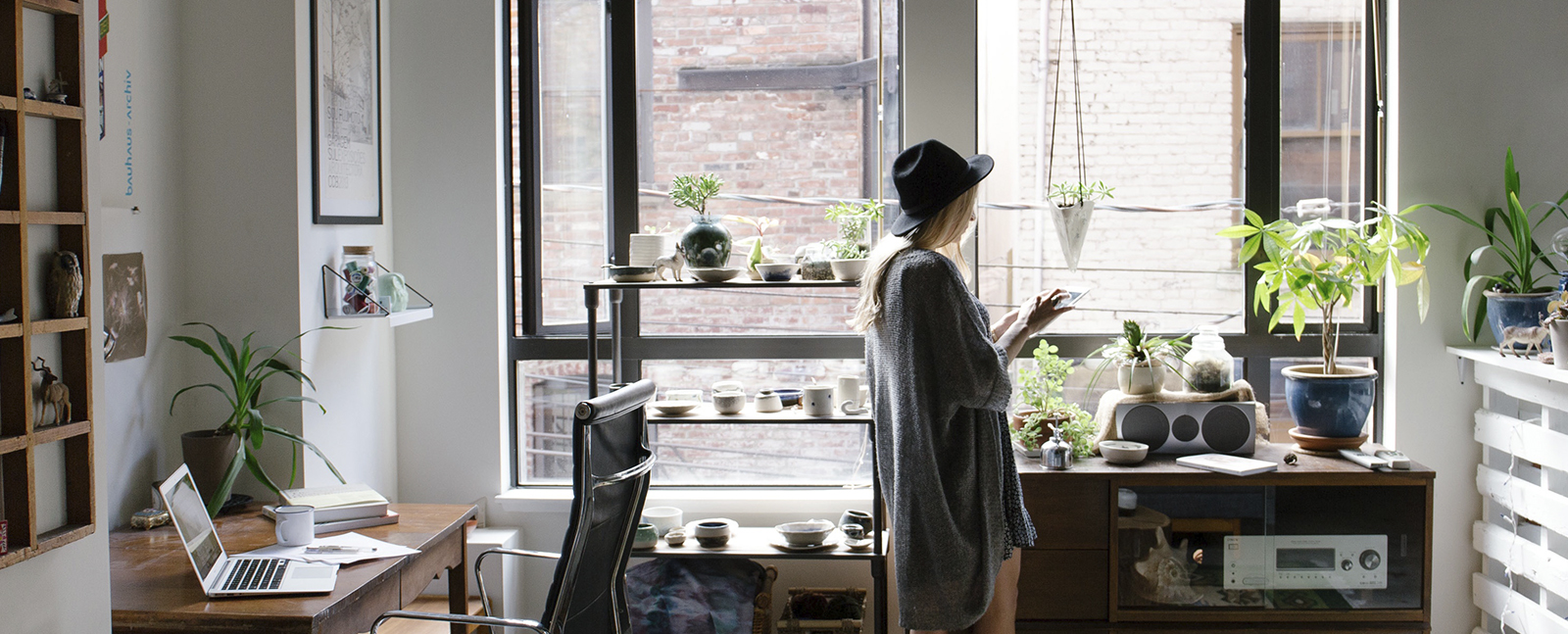
Building a solid core isn’t just about sixpack abs. It helps with posture, balance, and can even boost your overall energy. If you live in a smaller home or apartment, finding space for traditional gym routines can feel tricky. I’ve found that with the right moves and a little creativity, it’s not only possible but actually pretty fun to strengthen your core right from your living room, bedroom, or even a hallway. Let’s get into how I approach training my core when space (and sometimes motivation) is a little limited.
Why Core Strength Should Be Part of Your Routine
Most people think of crunches when the topic of core strength comes up, but the core is more than just your abs. It’s your entire trunk. Front, back, and sides. This includes your lower back, obliques, pelvic muscles, and even the upper part of your legs. When these areas are strong, it makes daily activities like standing up, reaching, bending, or picking things up feel way easier and puts less strain on your body.
It also helps prevent injuries and can ease back pain, especially for those of us who spend a lot of time sitting at a desk or hunched over a phone. So, adding simple core routines really pays off, especially if space is hard to come by. You might be surprised at the difference a few weeks of consistent core training can make in how you feel every day.
Setting Up a Core Workout Space When Room Is Tight
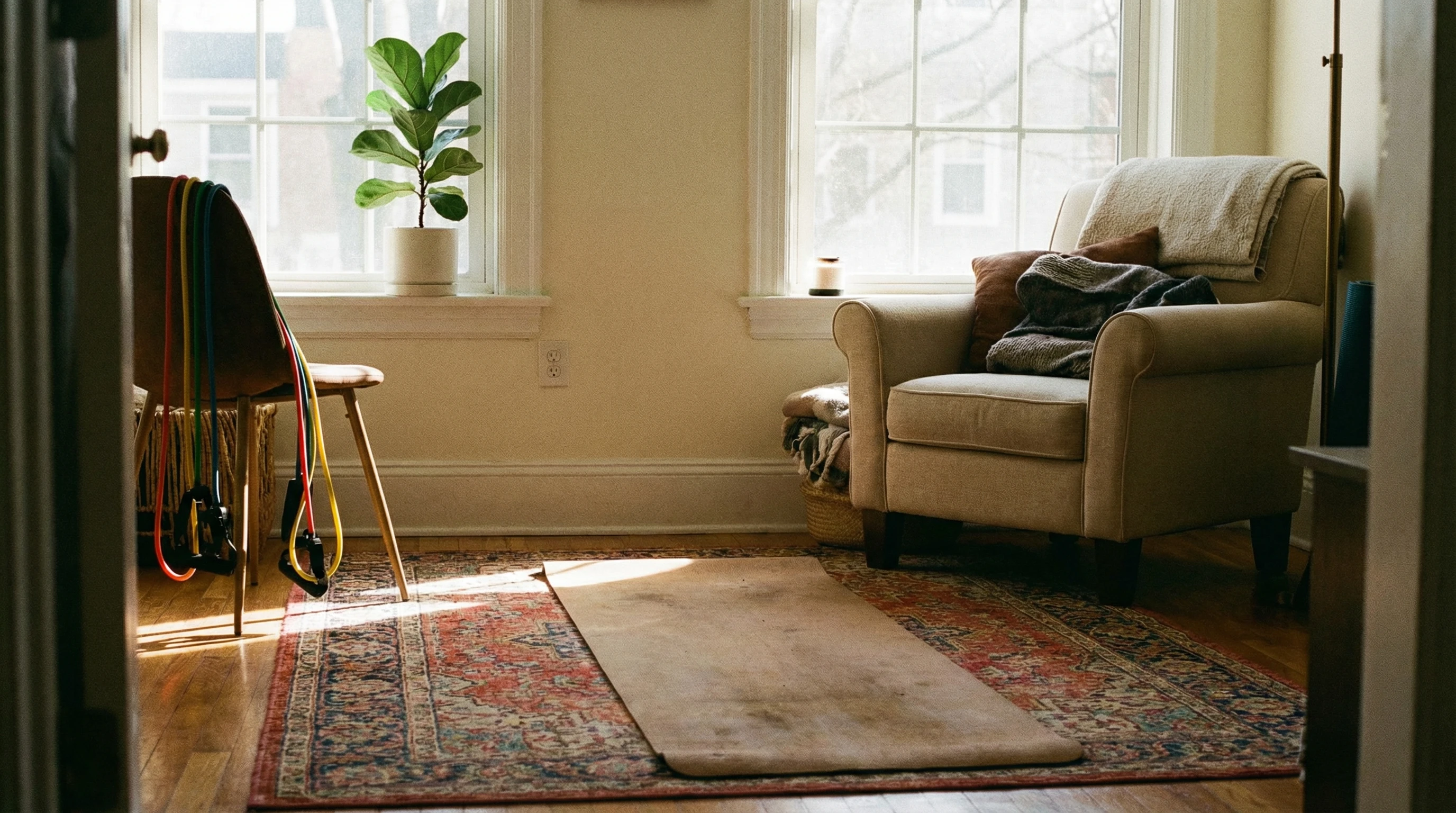
Here’s some good news. Core workouts mostly use your bodyweight, so equipment needs are low. All you need is a spot big enough to lie down flat. I usually work out with just a yogamat or even a folded towel. If you’ve got about the same amount of floor space as a doormat, you’re good to go.
- Tip: Move coffee tables or chairs aside to clear just a tiny rectangle and roll out your mat or towel.
- If the floor’s too hard, adding a couple extra blankets under your mat makes all the difference for comfort.
It helps to keep your space tidy and have your gear within reach. Sometimes, I just stash bands or sliders under the couch or in a basket in the corner so I can grab them when needed. This small bit of organization really makes it more likely you’ll stick with your workouts. Even keeping a small bottle of water nearby helps remind you it’s exercise time.
The Best Core Exercises for Small Spaces
Planks, dead bugs, and bridges are some of my favorites because they’re super effective and don’t need much space. Here’s a mix of beginner and more advanced moves worth working into your regular routine:
- Plank Variations: Forearm plank, side plank, or planks with shoulder taps. All of these torch your core without moving from one spot.
- Dead Bug: Lie on your back, arms straight up, knees bent. Extend the opposite arm and leg, then switch. Great for deep core muscles and spine stability.
- Glute Bridge: On your back, feet flat, push through your heels to lift your hips. Squeeze your glutes and core at the top, which really works your lower back and hamstrings too.
- Mountain Climbers: Fastpaced and roomfriendly, these work your abs and boost your heart rate.
- Bicycle Crunches: Add a twist to work both your abs and obliques without needing much space.
Most of these moves offer plenty of variations. For example, you can do a plank on your knees if standard planks feel too tough at first. Little adjustments let you make the routine fit your own pace and needs, so don’t worry about being perfect on day one.
Quick Home Core Workout Structure
Building a habit is easier when you have a plan. I like circuits. Work through a handful of exercises for 30 to 45 seconds each, rest, and repeat the circuit a couple of times. Here’s a sample layout that works with minimal room:
- Forearm Plank – 30 seconds
- Dead Bug – 45 seconds
- Glute Bridge – 45 seconds
- Side Plank (left) – 30 seconds
- Side Plank (right) – 30 seconds
- Bicycle Crunches – 40 seconds
- Rest – 60 seconds, then repeat this 2–3 more rounds
This session fits in almost any small area. I usually set a timer on my phone so there’s no need to keep checking the clock. If you’re just getting started, you can do fewer rounds or shorter durations. Consistency beats intensity when you’re starting out. It’s always better to keep the habit going than to try to do too much at once and burn out.
Adding Equipment to Boost Core Workouts
If bodyweight moves start to feel a little too easy, using small, inexpensive gear gives your training a lift. Here are a few things I use that tuck away easily:
- Resistance Bands: These need almost no storage space and add challenge to moves like bridges, sidesteps, or leg raises.
- Sliders or Towels: For moves like sliding pikes, plank jacks, or mountain climbers, sliders or even small towels on hardwood floors offer a smooth, lowimpact challenge.
- Stability Ball (if you have a smidge more room): This opens up new exercises and helps with balance, but it can double as livingroom seating when not being used for workouts.
You can still get a super tough workout with just your body and a mat. Equipment is mostly there to keep things interesting and push you as you keep improving. Remember, your own body’s resistance can be more than enough when you stay consistent.
Common Hurdles and How To Work Around Them
- Lack of Motivation: I get it. It’s tough to push yourself when you’re working out at home, especially without gym vibes. I like to mix things up with playlists or quick YouTube workouts. Trying a new exercise or changing the pace keeps things fresh and fun.
- Noise or Neighbors Below: If you worry about making noise, do slowcontrolled moves like planks or birddogs. No jumping or loud footsteps needed.
- Not Enough Time: A focused core workout takes less than 10 minutes. When I’m short on time, I pick three moves and cycle them as a minicircuit. Something is always better than skipping the day entirely.
- Form Slipping: Without mirrors, it’s easy for form to get shaky. Sometimes I record myself with my phone or follow along with a video to doublecheck my technique.
Making Progress in Small Spaces
Results show up with solid consistency and small changes that build over time. I recommend tracking what moves you do and, every couple of weeks, increasing your reps or swapping in a new exercise. If you start noticing you’re standing up straighter or carrying groceries more easily, you’ll know you’re making progress. Over time, the improvements become obvious, and staying on track will feel more natural.
Smart Strategies to Keep Core Workouts Interesting
- Mix Up Your Moves: Changing exercises every week challenges different muscles. There are tons of planks, crunches, or bridge versions to try, so you never have to get bored.
- Challenge a Friend: Even if you can’t work out together, having a friend to check in with keeps you motivated. Share workout times or videos to stay accountable and encourage each other.
- Set Small, Fun Goals: Maybe try holding a plank just a little longer, or try mastering a singleleg bridge. Hitting these bite sized goals makes exercise feel like progress, which is satisfying.
Everyday Benefits of a Strong Core
Improved core strength helps with so much more than just workouts. I notice less lower back pain, more energy during long workdays, and better balance on uneven pavement or stairs. Even small things like opening heavy doors or picking up kids become easier. These are the sort of wins that remind you it’s worth sticking to the routine, even on days when motivation is low.
- Better Posture: A strong core keeps you upright and reduces hunching, making you look and feel more confident.
- Less Back Ache: Supporting muscles around the spine mean less strain, especially for anyone sitting a lot.
- Improved Stability: Everyday activities like climbing stairs or standing on one foot become easier and safer.
Frequently Asked Questions
Here are some things people commonly ask about working their core in tight spaces:
Question: How often should I do core workouts?
Answer: Core muscles recover quickly. I aim for 3–4 times a week. Quick sessions (8–15 minutes) usually fit into most schedules, even for busy folks.
Question: What if I can’t do a plank yet?
Answer: Start on your knees or do elevated planks with your hands on a couch or sturdy chair. The goal is to build up strength over time—not to master it on the first try.
Question: Are standing core workouts effective?
Answer: Yes! Moves like standing knee lifts or wood chops with a band work great, especially for those with back concerns or super limited floor space.
Getting Started—No Fancy Gym Needed
Building a stronger core is for everyone, even when space and equipment are limited. All it takes is a bit of creativity, a regular routine, and some household props. Try a few new moves this week, notice how your body feels, and remember: progress is all about routine, not fancy gear or a massive space. Here’s to getting stronger right where you are—no gym required!